
Researchers create portable tool to detect foodborne contaminants
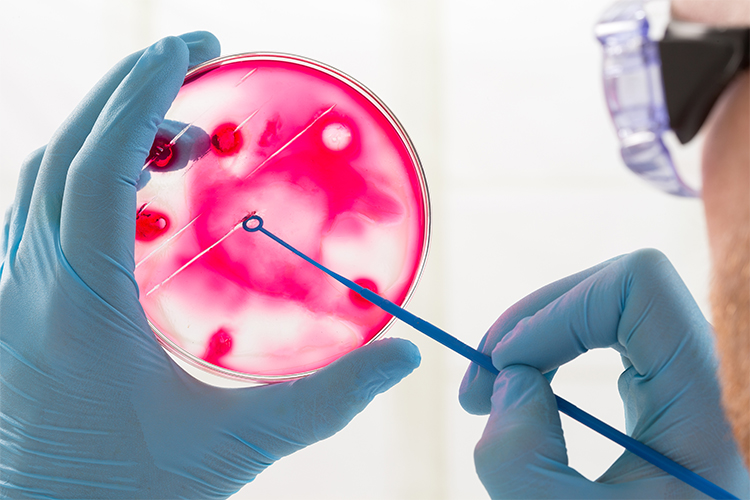
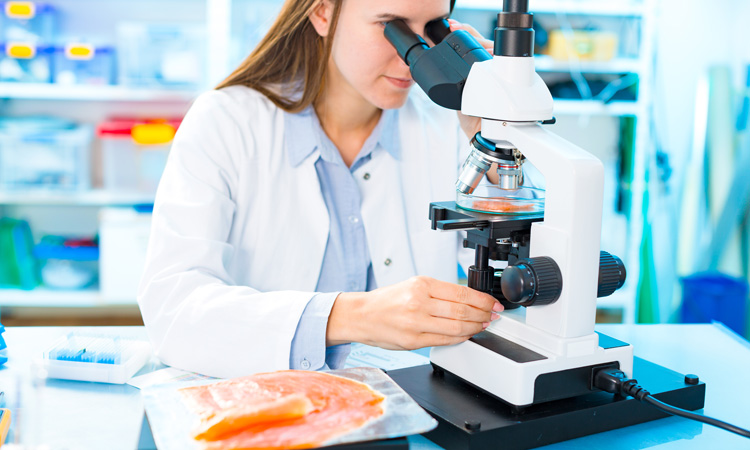
A team of food scientists and engineers recently received a grant to develop and test a portable sensor technology which aims to quickly detect foodborne pathogens outside of a lab.
List view / Grid view
A team of food scientists and engineers recently received a grant to develop and test a portable sensor technology which aims to quickly detect foodborne pathogens outside of a lab.
Following on from his visit to the World Mycotoxin Forum, Professor Chris Elliott flags three key emerging issues which were raised at the event around mycotoxins.
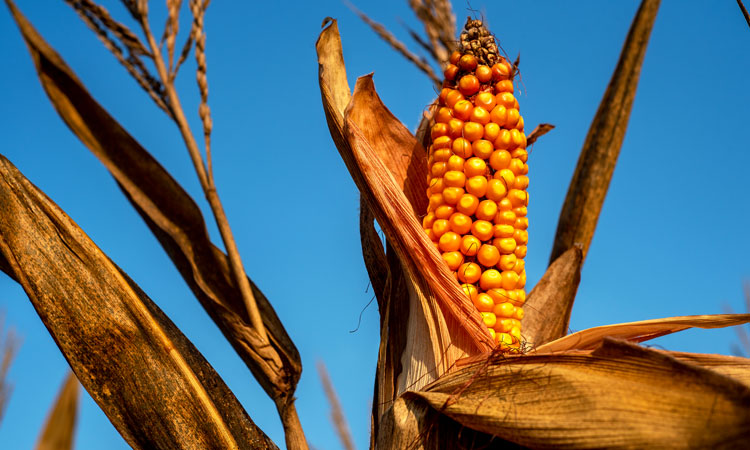
Research has identified that the ‘corn belt’ region in the US will likely experience increased problems with aflatoxins in the near future, calling for remedial measures to head off the problem.
NQAC Dublin's Andrew Savage and Fabien Robert explain why the company developed an in-house method for the quantitative determination of five Alternaria toxins.
Professor Chris Elliott outlines how price increases are serving fraudulent activity and the ways in which food fraud is beginning to manifest in the UK using rice as a key example.
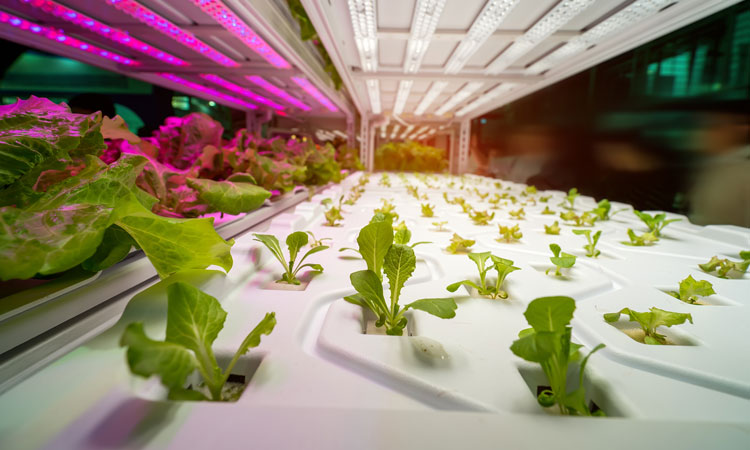
It is not often that scientific advances approach complicated problems in such a seemingly fitting way, but such is the case with high-tech farming and mycotoxins.
This month's focus on food safety looks at food fraud in Africa, seafood transparency, recaps Food Integrity's microbiology panel, and whether bacteriophages and indoor farming can protect us from future outbreaks.
Dr Susan Blount outlines the worldwide collaboration Mars is undertaking to create safer food for a healthy tomorrow, including some important work around aflatoxins.
Claire Milligan of R-Biopharm Rhone examines the issue of aflatoxin M1 in milk and dairy products, and explains why it’s a problem that has not yet been solved by the food industry despite being around for a while.
This week's Recall roundup features several recalls from UK supermarkets, as well concerns over Listeria monocytogenes contamination in Canada.
Jaclyn Bowen explains why mycotoxin mitigation is just as crucial as any other element of food safety management, and offers some helpful advice on how to deal with mycotoxin contamination.
The research team concluded that Salmonella contamination via strawberry roots was not a food safety risk, but the possibility of surface contamination remains.
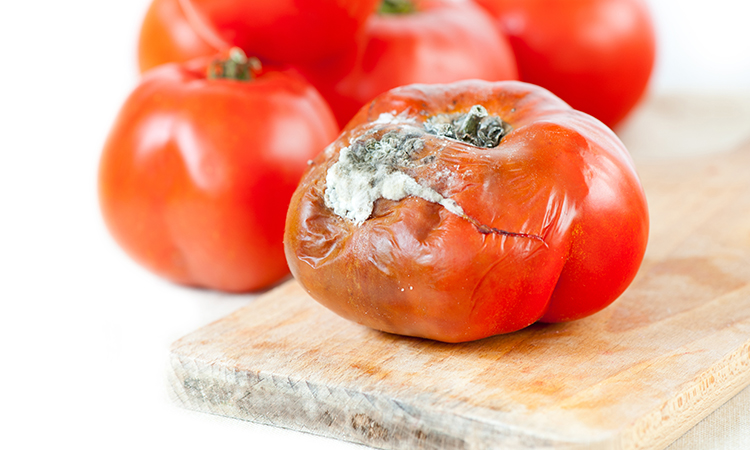
New Food hears from food scientist Simon Dawson on his advice when it comes to mouldy food and potentially risky slices of toast.
A Listeria monocytogenes alert has been raised in Canada, while two UK supermarkets have announced recalls of their products.
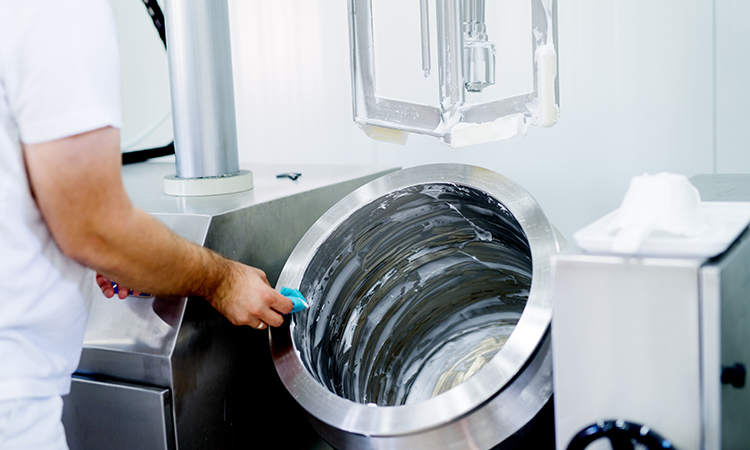
Researchers say the new instrument can take the subjectivity out of cleaning debates, by quickly identifying areas of food production plants that have not been cleaned properly.