


News
News
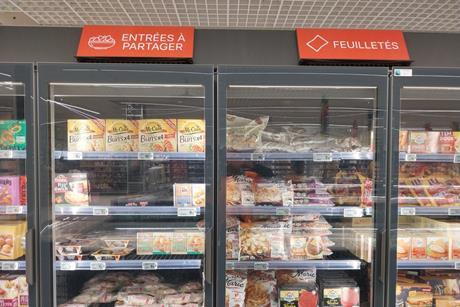
Cyberattack sends supermarket fridges to 50°C as 700 French stores hit
A major cyberattack has forced French supermarkets to discard fresh and frozen food, exposing vulnerabilities in critical refrigeration systems.
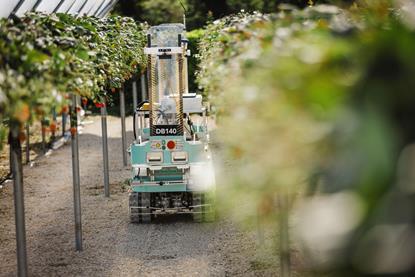
University of Lincoln secures £4.8m funding for agri-food robotics hub
The £4.8 million investment will help bring robotics into UK food production, tackling barriers to adoption through funding, testing and industry collaboration.
Arla expands farmer incentives to cut dairy emissions from 2027
Arla is increasing financial rewards for farmers tackling emissions, introducing six new measures from January 2027 to accelerate decarbonisation across the dairy supply chain.
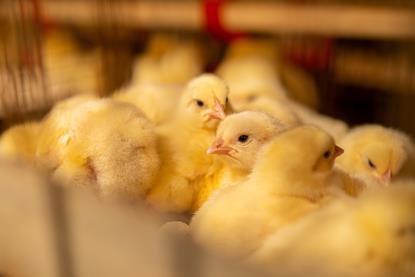
Celebrities and MPs demand end to male chick culling
More than 45 million male chicks are killed annually in the UK, but campaigners, politicians and high-profile figures are demanding the Government set a firm deadline to end the practice.
Join now
Unlock exclusive industry insights
- Bookmark articles and resources to access anytime
- Enjoy free access to industry leading resources, webinars and insights
- Stay informed with in-depth coverage of food safety, quality, innovation and regulatory change from across the global food and beverage industry
- Receive updates and recommendations tailored to your professional interests
Opinion and interviews
- Previous
- Next







More news

UK agrifood network tackles antimicrobial resistance with £54m UKRI funding
A newly funded UK-wide research network is bringing together farmers, vets, industry and policymakers to address one of the most pressing challenges facing food production - antimicrobial resistance in agrifood systems.

Global alliance targets single environmental footprinting standard for food
A new alliance led by WRAP and Wageningen University & Research is urging food and beverage businesses to help establish a global standard for measuring product environmental footprints.

New violet blue light treatment targets Campylobacter on raw chicken
A chemical-free light-based treatment has demonstrated the ability to kill all 64 Campylobacter strains tested, including antibiotic-resistant varieties.

California targets ultra-processed foods with sweeping new health legislation
California has signed a wide-ranging package of health legislation targeting ultra-processed foods, sugary drinks, vaping and weight-loss supplements, with new labelling rules and tighter restrictions.

British Nutrition Foundation calls for stronger food education policy in UK schools
The new white paper says food education is being overlooked in curriculum, public health and sustainability policy, and makes eight recommendations for change.
Food waste consuming 1.4 billion hectares of land globally, FAO warns
Food that is never eaten occupies 1.4 billion hectares of land worldwide, with the UN warning that progress on reducing food loss and waste has stalled and global targets are being missed.
FSA issues new regulatory guidance for cell-cultivated food developers
The Food Standards Agency and Food Standards Scotland have released new guidance on regulatory authorisation, growth media assessment and toxicology for businesses developing cell-cultivated food products in Great Britain.
Tesco launches nitrite-free bacon and ham range
Tesco has introduced a new own-brand range of bacon and ham made without added nitrites, as online consumer searches for such products rise by more than 360 percent year-on-year.

Shorter shelf life wrongly signals healthier food, study finds
Research from the UBC Sauder School of Business suggests shoppers use shelf life as a shortcut for judging how natural and healthy a product is, despite no reliable link between them.

California schools face challenges phasing out ultra-processed foods
New Stanford Medicine research highlights the financial and operational hurdles California school districts face as landmark legislation requires the elimination of ultra-processed foods from menus by 2035.
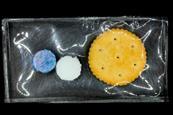
Colour-changing starch sensor detects moisture in food packaging
Scientists at the University of São Paulo have created a biodegradable, starch-based sensor that shifts from blue to pink when moisture enters food packaging.

Tesco anchors £20m Bramble Fund to drive UK food innovation
Tesco has anchored a new £20 million specialist fund, called Bramble Fund I, forming a joint innovation board to identify, test and scale food system technologies across the retailer’s supply chain.
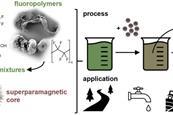
Magnetic nanoparticles offer new route to PFAS-free water
Researchers have engineered magnetic iron oxide nanoparticles with specially modified surfaces that can bind and extract PFAS compounds and fluorine-containing microplastics from contaminated water sources.
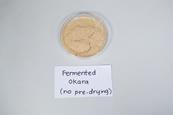
Mushroom fermentation transforms okara into protein-rich ingredient
Scientists at NTU Singapore have used oyster mushroom mycelium to ferment okara, boosting its protein content and transforming its flavour profile from sour to savoury.
PET industry launches shared platform for food contact safety data
PETCORE EUROPE has launched GeNi, a centralised interlaboratory data platform developed with KÖR, to address fragmented testing practices and strengthen food safety knowledge across the PET packaging value chain.
Salmonella outbreaks linked to imported eggs remain under investigation
Three clusters of Salmonella Enteritidis infections in England have resulted in nearly 600 confirmed cases and two deaths, with public health authorities continuing to investigate links to imported eggs.
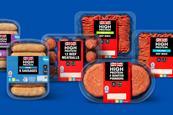
Lidl launches hybrid high-protein meat range with pea protein
Lidl is rolling out a new high-protein hybrid meat range that blends British meat with pea protein, claiming at least 20 percent more protein than traditional alternatives.

UMass Amherst launches $120m future of food initiative
The University of Massachusetts Amherst has launched a $120 million initiative to address food system challenges, including a new Food Innovation Hub and research centre.

New school food standards ban deep frying in England from September 2027
England’s new school food standards will restrict fried food, processed meat and desserts, while introducing breakfast nutrition requirements from 2027.
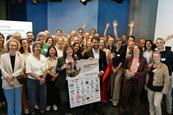
Dutch coalition demands €65m fund to boost plant-based food
A 60-strong coalition is urging the Dutch government to establish a €65 million annual Plant-Based Acceleration Fund and national action plan, modelled on Denmark’s plant-based food strategy.
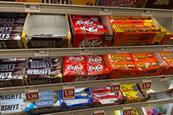
Healthy checkout rules reduce soda and small-pack candy sales, study finds
A landmark Lancet Public Health study links Berkeley’s healthy checkout ordinance to lower soda and small-packaged candy sales, highlighting the need for stronger enforcement.

Manitoba and EIT Food sign five-year agrifood innovation framework
Manitoba and EIT Food have signed a five-year collaboration framework to strengthen Canadian-European agrifood research, innovation, market access, sustainable growth and cross-border collaboration.

European trials find non-nutritive sweeteners do not undermine weight loss
A review of three major European trials found that replacing sugar with non-nutritive sweeteners did not hinder weight loss, metabolic health or increase sweet cravings.
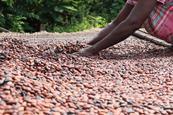
Cocoa traceability pilot links physical authentication to digital passport ahead of EUDR
Most EU-bound cocoa still travels on self-declared paperwork. Three firms are testing a verifiable fix before EUDR lands.

AI identifies 800 plant proteins for sustainable food emulsifiers
Scientists at the University of Leeds have developed an AI-driven process capable of rapidly identifying plant proteins with emulsifying properties, potentially replacing synthetic and animal-derived alternatives in food.