




NFU welcomes drought resilience measures but warns immediate financial pressures could undermine farmers’ ability to maintain production next year.
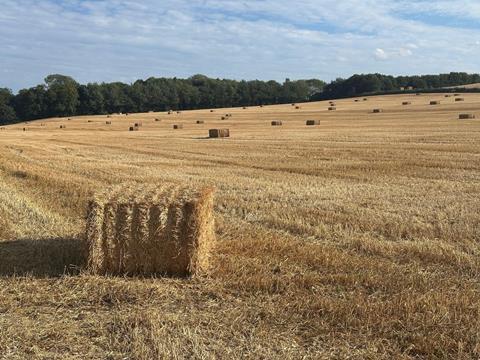
Farm leaders have welcomed a £65 million government drought package for England but warned that urgent support is still needed as falling yields, depleted forage and mounting costs put pressure on agricultural businesses.
The package includes an extra £50 million for the Sustainable Farming Incentive (SFI) 2026 and up to £15 million for on-farm reservoirs, alongside temporary flexibility within environmental schemes and changes intended to improve access to water.
Around three-quarters of England is now in drought, including major agricultural areas across East Anglia, the Midlands, South West and South East. The Environment Agency recorded more than 1,500 abstraction licence restrictions in the week to 12 August and applied Section 57 spray irrigation restrictions to 302 licences in East Anglia.
The measures follow a COBR meeting on extreme heat, wildfires and drought after the driest July on record in England and Wales.
The £65m of investment into the Sustainable Farming Incentive (SFI) and water infrastructure is very important strategic support that will benefit farmers.
However, we are experiencing a huge crisis of cashflow and confidence across all sectors and urgent support will be needed for farmers who are feeling that pressure now, so they are still producing food next year.”
NFU President Tom Bradshaw
NFU warns immediate pressures remain
NFU President Tom Bradshaw welcomed the strategic investment but warned that farmers facing immediate financial pressures would still need urgent support.
“The £65m of investment into the Sustainable Farming Incentive (SFI) and water infrastructure is very important strategic support that will benefit farmers. However, we are experiencing a huge crisis of cashflow and confidence across all sectors and urgent support will be needed for farmers who are feeling that pressure now, so they are still producing food next year,” he said.
“Today’s announcement is welcome and includes many of the NFU’s strategic asks, but more detail is needed to understand how these will work in practice. Investment in water is critical, it is the lifeline of our food system, and we must ensure the process is streamlined and that grants are accessible.”
The intervention follows the NFU’s recent call for ministers to prioritise water for food production, including more flexible abstraction arrangements and investment in on-farm storage.
The additional £50 million will take the SFI 2026 budget to £290 million, while drought-affected farmers will gain greater flexibility under the SFI, Countryside Stewardship and legacy stewardship agreements. Farmers short of livestock feed could, for example, graze or cut some land normally reserved for wildlife habitat without losing payments, provided they avoid damaging the soil. The government introduced similar flexibilities during the 2022 drought.
The NFU said prolonged dry weather has brought harvests forward, reduced yields and stunted grass growth, forcing some livestock and dairy farmers to draw on winter feed stocks early. It also reported pressure on potatoes, sugar beet and other field crops, while abstraction restrictions and depleted reservoirs limit irrigation in some areas.
Water resilience moves up the agenda
Beyond the immediate measures, the government will direct up to £15 million towards on-farm reservoirs and plans to reduce planning barriers to their construction.
Existing controls that halt abstraction when river flows fall too low will remain. However, the package will speed up and simplify the administration of licence variations and make it easier for farms to share water between holdings.
For food producers, those changes could matter well beyond the current drought. Greater on-farm storage could reduce reliance on abstraction during prolonged dry periods, while more flexible water sharing could give growers another option when local supplies tighten.
While the government says the current drought is not expected to affect national food security, it has exposed the importance of reliable water access to farm resilience. The £65 million package starts to address that longer-term challenge, but its value will ultimately depend on how quickly funding, planning changes and more flexible water arrangements translate into practical support for farms.
















No comments yet