


Topics
 Opinion
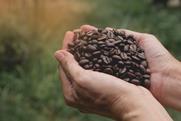
The bitter taste of sustainable coffee
The world wants and needs sustainable food production, but who’s to pay for it? Chris Elliott reflects on the need to level the cost burden of assuring the prized cup of joe lives on responsibly.
 News
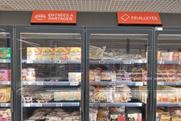
NewsCyberattack sends supermarket fridges to 50°C as 700 French stores hit
A major cyberattack has forced French supermarkets to discard fresh and frozen food, exposing vulnerabilities in critical refrigeration systems.
 News
NewsUK agrifood network tackles antimicrobial resistance with £54m UKRI funding
A newly funded UK-wide research network is bringing together farmers, vets, industry and policymakers to address one of the most pressing challenges facing food production - antimicrobial resistance in agrifood systems.
 News
NewsNew violet blue light treatment targets Campylobacter on raw chicken
A chemical-free light-based treatment has demonstrated the ability to kill all 64 Campylobacter strains tested, including antibiotic-resistant varieties.
 Article
GLP-1 food products must deliver more from less, but what can they claim?
As GLP-1 use changes eating habits, New Food explores viable product development, with Osborne Clarke’s Charlie Hennig examining the claims and regulatory challenges.
 Article
The science behind consistent snack manufacturing
Discover how METTLER TOLEDO balances and halogen moisture analysers help snack manufacturers monitor critical quality parameters, make faster decisions and deliver consistent flavour, texture, appearance and crunch.
 News
NewsCalifornia targets ultra-processed foods with sweeping new health legislation
California has signed a wide-ranging package of health legislation targeting ultra-processed foods, sugary drinks, vaping and weight-loss supplements, with new labelling rules and tighter restrictions.
 Article
Plant-based homogenisation starts with the right pre-mix
Steffen Jahnke of GEA explores how the right pre-mix sets the foundation for successful plant-based homogenisation, and what scale-up really tests.
- Opinion
The bitter taste of sustainable coffee
The world wants and needs sustainable food production, but who’s to pay for it? Chris Elliott reflects on the need to level the cost burden of assuring the prized cup of joe lives on responsibly.
- News
Cyberattack sends supermarket fridges to 50°C as 700 French stores hit
A major cyberattack has forced French supermarkets to discard fresh and frozen food, exposing vulnerabilities in critical refrigeration systems.
 News
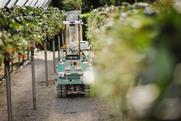
NewsUniversity of Lincoln secures £4.8m funding for agri-food robotics hub
The £4.8 million investment will help bring robotics into UK food production, tackling barriers to adoption through funding, testing and industry collaboration.
 News
NewsArla expands farmer incentives to cut dairy emissions from 2027
Arla is increasing financial rewards for farmers tackling emissions, introducing six new measures from January 2027 to accelerate decarbonisation across the dairy supply chain.
- News
UK agrifood network tackles antimicrobial resistance with £54m UKRI funding
A newly funded UK-wide research network is bringing together farmers, vets, industry and policymakers to address one of the most pressing challenges facing food production - antimicrobial resistance in agrifood systems.
- Article
The science behind consistent snack manufacturing
Discover how METTLER TOLEDO balances and halogen moisture analysers help snack manufacturers monitor critical quality parameters, make faster decisions and deliver consistent flavour, texture, appearance and crunch.
- News
New violet blue light treatment targets Campylobacter on raw chicken
A chemical-free light-based treatment has demonstrated the ability to kill all 64 Campylobacter strains tested, including antibiotic-resistant varieties.
 Webinar
Detecting the presence of PFAS in chicken eggs
Free webinar: University of Connecticut researchers test chicken eggs for 28 PFAS compounds and compare two UHPLC-MS/MS extraction methods.
- Opinion
The bitter taste of sustainable coffee
The world wants and needs sustainable food production, but who’s to pay for it? Chris Elliott reflects on the need to level the cost burden of assuring the prized cup of joe lives on responsibly.
- News
Cyberattack sends supermarket fridges to 50°C as 700 French stores hit
A major cyberattack has forced French supermarkets to discard fresh and frozen food, exposing vulnerabilities in critical refrigeration systems.
 News
NewsCelebrities and MPs demand end to male chick culling
More than 45 million male chicks are killed annually in the UK, but campaigners, politicians and high-profile figures are demanding the Government set a firm deadline to end the practice.
- News
UK agrifood network tackles antimicrobial resistance with £54m UKRI funding
A newly funded UK-wide research network is bringing together farmers, vets, industry and policymakers to address one of the most pressing challenges facing food production - antimicrobial resistance in agrifood systems.
- Webinar
Detecting the presence of PFAS in chicken eggs
Free webinar: University of Connecticut researchers test chicken eggs for 28 PFAS compounds and compare two UHPLC-MS/MS extraction methods.
 News
NewsShorter shelf life wrongly signals healthier food, study finds
Research from the UBC Sauder School of Business suggests shoppers use shelf life as a shortcut for judging how natural and healthy a product is, despite no reliable link between them.
 News
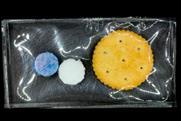
NewsColour-changing starch sensor detects moisture in food packaging
Scientists at the University of São Paulo have created a biodegradable, starch-based sensor that shifts from blue to pink when moisture enters food packaging.
 News
NewsTesco anchors £20m Bramble Fund to drive UK food innovation
Tesco has anchored a new £20 million specialist fund, called Bramble Fund I, forming a joint innovation board to identify, test and scale food system technologies across the retailer’s supply chain.
- Opinion
The bitter taste of sustainable coffee
The world wants and needs sustainable food production, but who’s to pay for it? Chris Elliott reflects on the need to level the cost burden of assuring the prized cup of joe lives on responsibly.
- News
Cyberattack sends supermarket fridges to 50°C as 700 French stores hit
A major cyberattack has forced French supermarkets to discard fresh and frozen food, exposing vulnerabilities in critical refrigeration systems.
- News
University of Lincoln secures £4.8m funding for agri-food robotics hub
The £4.8 million investment will help bring robotics into UK food production, tackling barriers to adoption through funding, testing and industry collaboration.
- News
Arla expands farmer incentives to cut dairy emissions from 2027
Arla is increasing financial rewards for farmers tackling emissions, introducing six new measures from January 2027 to accelerate decarbonisation across the dairy supply chain.