



Packaging & product protection
Discover packaging technologies and product protection strategies that support food quality, safety and shelf life. Explore packaging operations, integrity testing and spoilage prevention approaches that help manufacturers optimise performance, reduce waste and protect products throughout distribution.
Latest content
 Webinar
Detecting the presence of PFAS in chicken eggs
Free webinar: University of Connecticut researchers test chicken eggs for 28 PFAS compounds and compare two UHPLC-MS/MS extraction methods.
 News
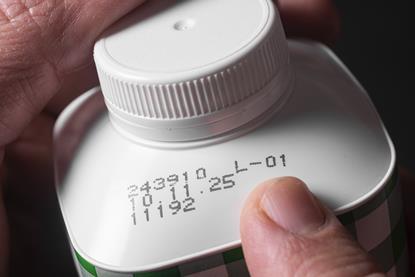
NewsShorter shelf life wrongly signals healthier food, study finds
Research from the UBC Sauder School of Business suggests shoppers use shelf life as a shortcut for judging how natural and healthy a product is, despite no reliable link between them.
 News
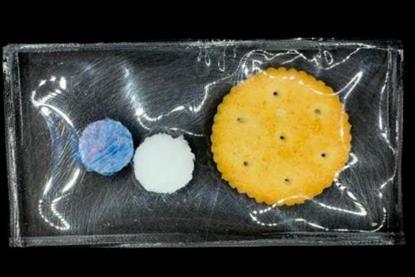
NewsColour-changing starch sensor detects moisture in food packaging
Scientists at the University of São Paulo have created a biodegradable, starch-based sensor that shifts from blue to pink when moisture enters food packaging.
Featured
Article
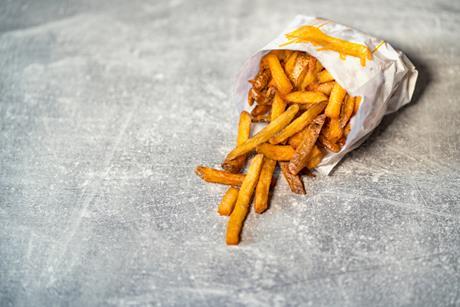
What viable PFAS-free food packaging really requires
With new EU limits on PFAS in food-contact packaging now in force, New Food speaks to VTT experts about balancing product performance requirements with viable PFAS-free alternatives.

Opinion
Imported eggs and Salmonella: the cracks in Britain’s food-safety defences
Recent Salmonella outbreaks have exposed vulnerabilities in UK egg supply chains. Chris Elliott examines their complex routes into food service and where improvements are needed.
Webinars
- Previous
- Next




Join now
Unlock exclusive industry insights
- Bookmark articles and resources to access anytime
- Enjoy free access to industry leading resources, webinars and insights
- Stay informed with in-depth coverage of food safety, quality, innovation and regulatory change from across the global food and beverage industry
- Receive updates and recommendations tailored to your professional interests
More Packaging & product protection
 Article
Why food laboratories need analytical systems that deliver more than sensitivity
Can laboratories increase sensitivity without compromising routine reliability, workflow efficiency or resource use? The LCMS-8065XE was designed to address these growing analytical demands.
 Article
How wellbeing will drive food sector’s next phase of growth
Backed by data-driven insight, Sharon Bligh from the Consumer Goods Forum cuts to the heart of how manufacturers can get ahead of the curve by catering to the distinct yet varying needs of today’s consumer.
 Opinion
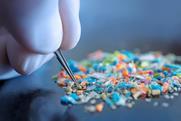
Microplastics, PET packaging and the need for standardised science
Microplastics are a growing concern for consumers and the food industry. But how much of the coverage reflects the evidence? Laura Stewart, Executive Director at NAPCOR, argues that conclusions about PET should be based on robust science and its long-established safety record.
More Packaging & product protection
- Article
How wellbeing will drive food sector’s next phase of growth
Backed by data-driven insight, Sharon Bligh from the Consumer Goods Forum cuts to the heart of how manufacturers can get ahead of the curve by catering to the distinct yet varying needs of today’s consumer.
- Opinion
Microplastics, PET packaging and the need for standardised science
Microplastics are a growing concern for consumers and the food industry. But how much of the coverage reflects the evidence? Laura Stewart, Executive Director at NAPCOR, argues that conclusions about PET should be based on robust science and its long-established safety record.
 Opinion
Goodbye barcodes, hello digital labelling
The barcode has underpinned food supply chains for decades, but changing consumer expectations and regulatory requirements are driving a shift towards smarter packaging. Rob Allen, Divisional Manager for Packing Solutions at Interfood Technology, reveals why QR codes are moving from novelty to necessity – filling the information gaps that are now essential in modern food systems.
 Opinion
The sustainability vs food safety quandry: saving the planet while risking food safety
Food safety and sustainability are inseparable, explains Professor Chris Elliott, noting the uncomfortable realisation that improvements to one often lead to weakness in the other. Read about why food safety frameworks must evolve alongside circular economy policies to realise the benefits of food innovation.
 Article
New Food launches new website designed for food industry professionals
New Food has launched an updated website to improve access to content across food manufacturing, food safety and innovation, alongside a new membership model that provides full access to premium analysis, reports and expert commentary.
 Article
The return to real: navigating food reformulation and consumer trust in 2026
As consumers push for simpler products, greater transparency and more balanced nutrition, Jo-Ann McArthur, President of Nourish Food Marketing, shares the key shifts and opportunities shaping food integrity and innovation in 2026.
 Opinion
Food fraud 2026 and beyond: new targets, tactics and risks
Drawing on his extensive insight and all the data he can lay his hands on, Professor Chris Elliott reveals the areas most at risk of exploitation in our food system, highlighting the questionable benevolence of AI as both friend and foe.
 Article
A Food Safety Carol: the reckoning of CD Screege
Inspired by A Christmas Carol, this fictional narrative follows a global food executive forced to confront the human cost of his decisions. Drawing on real world failures and insights from Dr Darin Detwiler and international food safety leaders, the story explores how culture, leadership and risk shape outcomes across the ...
 Article
Panorama’s PFAS wake-up call: why the UK food industry must act now
The BBC Panorama episode on ‘forever chemicals’ has put PFAS contamination in UK food under the spotlight. Here’s why manufacturers can’t afford to ignore it.
 Article
Detection technology innovations today are preparing the food safety landscape of tomorrow
Food safety's technological transformation accelerated in 2025, explains Yannick Verry from Informa Markets, driven by evolving contamination threats and looming regulatory compliance deadlines that expose critical gaps in traditional detection methods.