


Which? finds major caffeine differences across Costa, Pret, Starbucks and other chains, complicating efforts by consumers to monitor their intake.
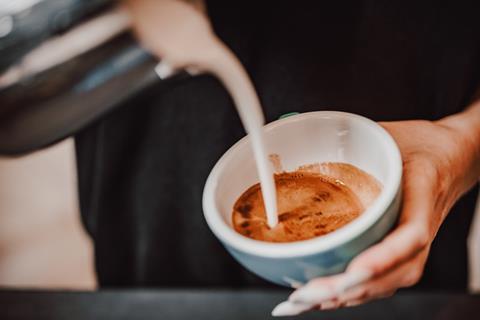
Caffeine levels in comparable drinks from major UK coffee chains vary sharply, with a Costa Coffee cappuccino containing more than three-and-a-half times as much as the Starbucks equivalent, according to new Which? research.
Which? compared drinks from Caffè Nero, Costa Coffee, Greggs, Pret A Manger and Starbucks, revisiting research conducted in 2023 to examine how caffeine levels have changed.
A medium Costa cappuccino contains 325 milligrams (mg) of caffeine, compared with 89mg at Starbucks. The Costa drink alone provides more than 80 percent of the 400mg daily caffeine limit generally considered appropriate for most adults and contains roughly the same caffeine as four 250ml cans of Red Bull.
Greggs recorded the second-highest cappuccino level at 235mg, followed by Caffè Nero at 221mg.
The differences extend across other drinks. A single espresso from Pret contains nearly four times as much caffeine as one from Starbucks and comes in a serving twice the size.
Costa’s espresso contains 100mg per serving compared with 45mg at Starbucks, while its flat white contains 241mg against 89mg at Starbucks.
Caffeine comparison at a glance
Which? recorded wide differences in caffeine levels between comparable drinks sold by the five coffee chains:
- Costa medium cappuccino: 325mg
- Greggs cappuccino: 235mg
- Caffè Nero cappuccino: 221mg
- Pret cappuccino: 180mg
- Starbucks cappuccino: 89mg
- Costa flat white: 241mg
- Starbucks flat white: 89mg
- Pret espresso: 180mg
- Costa espresso: 100mg
- Starbucks espresso: 45mg
- Matcha lattes: 28mg to 99mg across Costa, Starbucks and Pret.
For context, most adults are generally advised to consume no more than 400mg of caffeine a day.
Matcha shows similar variation
Matcha lattes showed a similar spread. Which? recorded caffeine levels ranging from 28mg to 99mg in similarly sized drinks from Costa, Starbucks and Pret.
Costa’s matcha latte contains more caffeine than a Starbucks cappuccino, flat white, latte or Americano.
Jessica Carson, Health and Wellbeing Expert at Which?, said: “For many of us, there is nothing quite like a strong cup of coffee to start the day, but Which? found even matcha enthusiasts could be consuming more caffeine than intended. Our research shows caffeine content varies wildly from chain to chain.
”If you drink multiple cups a day or need to cut back for health reasons, pay attention to where you shop and what you order to avoid any unwanted side-effects.”
Several factors can change caffeine levels between apparently similar drinks, including the amount of coffee used, number of espresso shots, bean variety, roast, grind size, serving size, brewing method, water temperature and extraction time.
Bean choice also matters. Robusta beans contain roughly twice as much caffeine as Arabica. Pret and Starbucks use Arabica beans, while Costa and Greggs use blends of Arabica and Robusta, according to Which?.
The comparison also shows how caffeine levels have shifted since Which? last carried out the research in 2023. Costa’s cappuccino and single espresso remain unchanged, while Caffè Nero’s cappuccino now contains around twice as much caffeine as three years ago.
Starbucks still records the lowest caffeine levels overall among the chains compared, although Which? found higher levels in its espressos, cappuccinos and filter coffees than in 2023.
Why the variation matters
The differences recorded by Which? matter most where consumers are trying to judge or limit their caffeine intake. A drink name such as cappuccino, flat white or espresso does not indicate a consistent caffeine dose across chains, and the changes seen since 2023 show those levels can also shift over time.
The findings also come as England prepares to tighten controls on other high-caffeine drinks. The UK Government intends to ban sales of high-caffeine energy drinks to under-16s from April 2027, covering drinks containing more than 150mg of caffeine per litre. Tea and coffee are excluded.
Our research shows caffeine content varies wildly from chain to chain.
If you drink multiple cups a day or need to cut back for health reasons, pay attention to where you shop and what you order to avoid any unwanted side-effects.”
Jessica Carson, Health and Wellbeing Expert at Which?
Managing total caffeine intake
That wider regulatory focus sits alongside broader guidance on total caffeine consumption. The Food Standards Agency (FSA) and Food Standards Scotland have previously urged consumers to monitor their overall caffeine intake, particularly when using products containing concentrated caffeine.
Most adults are generally advised to consume no more than 400mg a day, although sensitivity varies, while pregnant women should limit intake to 200mg. Consuming too much caffeine can contribute to anxiety, disrupted sleep, an upset stomach and a rapid heart rate.
Coffee is also only one source of caffeine across the diet. National Health Service (NHS) figures cited by Which? put a typical cup of tea at around 75mg, a 250ml energy drink at 80mg and a 330ml can of cola at 40mg, while caffeine is also present in chocolate and some medicines.
Taken across a full day, those different sources make total intake harder to estimate, giving greater context to the sizeable differences Which? found between drinks sold under the same familiar names at different chains.







No comments yet