




Eight in ten Arla farmers with vacancies struggle to find skilled applicants, raising concerns over Britain’s future food production workforce.
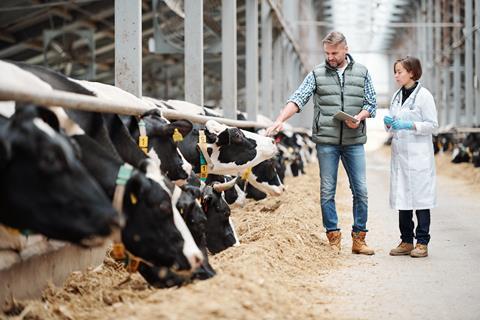
More than eight in ten Arla farmers who have recruited say very few or no applicants have the right skills, raising concerns over the long-term resilience of British food production.
The dairy cooperative’s 2026 survey of 440 farmers found 82.4 percent of those with vacancies said very few or no applicants had the required skills. That figure has remained above 80 percent throughout the seven years Arla has surveyed farmers on workforce challenges.
Almost two-thirds, 64.7 percent, said changes in schools and colleges would be the most effective way to attract more people into the industry. Meanwhile, half said retaining staff has become harder compared with before Brexit and Covid.
An ageing workforce adds to the challenge. Almost 48 percent of respondents are over 55, including 17.8 percent aged over 65, while Arla said the average age across its wider supply chain has risen from 40 in 2018 to 46.
The pressure also extends beyond farms. Arla said recruiting engineers into its supply chain takes around 105 days, compared with an average of 58 days for other roles.
Securing the future of British food starts with securing people. Behind every litre of milk and every meal on the table is a skilled workforce producing, processing and transporting food.
We need to inspire young people earlier and connect them to food.”
Bas Padberg, Managing Director of Arla Foods UK
Skills pressures reach across food production
For food manufacturers, shortages of engineers and other technical specialists can affect more than staffing. These roles underpin the operation, maintenance and upgrading of increasingly automated processing systems, meaning prolonged vacancies can increase pressure on existing teams, delay maintenance or investment projects and constrain production capacity.
In England, skills have also moved higher up the policy agenda. Defra’s Farming Roadmap 2050, published in June, identified building farmers’ skills and business capability as part of efforts to improve productivity and resilience.
Arla’s latest figures suggest these pressures are becoming more about skills than headcount alone. In August 2025, the cooperative warned that labour shortages across dairy farming and manufacturing could put UK food security under pressure. A year later, its data shows many applicants still lack the skills employers need.
Bas Padberg, Managing Director of Arla Foods UK, said: “Securing the future of British food starts with securing people. Behind every litre of milk and every meal on the table is a skilled workforce producing, processing and transporting food.
“We need to inspire young people earlier and connect them to food. When people understand more about where it comes from what is takes to feed a nation, helping to be a part of that becomes a much more attractive proposition. If we want a resilient food system capable of feeding future generations, we must invest in the skills, education and pathways that will build the workforce of tomorrow.”
Expanding routes into food careers
Arla is launching an education programme that aims to reach more than 100 schools and 100,000 young people, alongside expanding apprenticeships and training across its manufacturing operations.
The initiative follows research with Harper Adams University which found that, while food and farming careers increasingly span science, technology, engineering, sustainability and business, young people often lack awareness of the opportunities and routes into them.
At its Taw Valley site, where Arla is investing in mozzarella production, the company plans to recruit 50 apprentices over the next two years. It also plans an on-site classroom and more T Level industry placements with local colleges.
Paul Dover, UK Agriculture Director at Arla Foods UK, said: “The food supply chain has been facing increasing pressure from workforce challenges for a number of years, and the latest data from our farmers shows the picture is not improving. This is a challenge that will impact beyond the farm, if action isn’t taken.
“Government proposals like the Farming Roadmap and its efforts to help young people into work through courses in schools are helpful and will go some way to supporting farmers, but the reality is we need intervention much earlier. We need to change perceptions of the sector and ensure attractiveness to expand our talent pool to bring many more young people into our industry.”













No comments yet