




The challenge of knowing which foods to choose for good health, given constraints such as availability, taste and budget, is real. While blanket categories have sought to simplify decisions for consumers, new evidence points to a need for nuanced interpretation in order to improve the quality of global food environments.
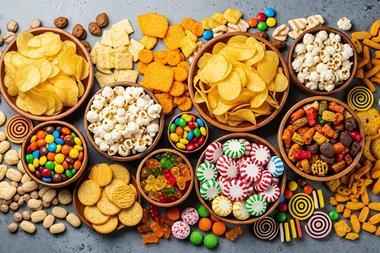
Ultra-processed foods (UPFs) have become a prominent feature of diets worldwide. In countries such as the UK and the US, they already account for more than half of dietary energy intake, while consumption is rising rapidly across many low- and middle-income countries. This global dietary shift has fuelled growing concern, supported by evidence linking higher overall UPF consumption with an increased risk of obesity, type 2 diabetes, cardiovascular disease and other chronic conditions.
Improving the quality of food environments remains an urgent priority – particularly in light of the British Medical Association’s call for stronger measures including reducing high UPF consumption among children and young people and improving access to healthier, whole and minimally processed foods.
However, a more nuanced interpretation of the evidence should serve to strengthen the case for action. The evidence does not suggest that all foods classified as ultra-processed are equally harmful, nor that processing alone explains these associations. In addition, emerging evidence suggests that not all foods classified as ultra-processed are nutritionally or functionally equivalent. Studies show that health associations vary across different UPF sub-categories, suggesting that processing alone is unlikely to be a sufficient measure of healthfulness. Public-health guidance should therefore consider processing along with nutritional quality, overall dietary patterns and which foods are being replaced, while continuing to promote diets centred on whole and minimally processed diverse plant foods.
The evidence does not suggest that all foods classified as ultra-processed are equally harmful, nor that processing alone explains these associations.”
The foundation of a healthy diet is still clear
A healthy diet should be built around whole and minimally processed diverse plant foods, including vegetables, fruits, legumes, whole grains, nuts and seeds. These foods provide fibre, essential vitamins and minerals, and a wide range of bioactive compounds, forming the basis of dietary patterns associated with better long-term health.
At the same time, processing alone may not determine a food’s nutritional value, or its contribution to a healthy diet. Foods classified as ultra-processed differ in their nutrient composition, intended use and role within dietary patterns. Some foods, such as fortified wholegrain products or certain plant-based alternatives, can support nutrient adequacy or facilitate healthier dietary transitions, particularly when they replace less healthy alternatives.
Nutritional quality and processing should be considered together
The NOVA UPF category places sugary confectionery, energy drinks and heavily marketed snacks alongside some wholegrain breads, fortified foods and plant-based protein products. However, a plant-based burger replacing processed meat has very different nutritional and environmental implications from a sugary drink replacing water, even though both may be classified as ultra-processed. As the evidence evolves, public health guidance and policy should account for these differences. Considering all UPFs as nutritionally equivalent because they share a processing label can risk oversimplifying guidance, discouraging healthier substitutions within the food system and overlooking opportunities to support healthier dietary transitions.
PAN International’s UPF evidence guide, developed with GFI Europe, highlights research showing considerable variation among plant-based meat alternatives. While some are high in salt, others provide protein and fibre, potentially offering health and environmental benefits when consumed in place of conventional red or processed meat. Their value depends on their composition, how frequently they are eaten and, critically, what they replace in the diet.
Public health guidance should therefore prioritise whole and minimally processed plant foods, and limit products high in salt, free sugars and saturated fat. At the same time, guidance and policy should also help consumers identify certain processed options that could support healthier dietary patterns.
Meatless Monday: one practical approach to eating more plant-rich diets
Evidence alone is not enough to change dietary behaviour. Sustainable dietary change is more likely when it is gradual, practical and easy to incorporate into everyday life. Small, repeatable changes are often more achievable than asking people to transform their diets overnight. Meatless Monday offers one such approach by encouraging people to replace meat consumption with meals centred on legumes, vegetables, whole grains, nuts and seeds for one day each week, rather than relying on like-for-like packaged alternatives.
PAN International’s new collaboration with Meatless Monday, with the Johns Hopkins Center for a Livable Future serving as science adviser, aims to support this approach across healthcare, medical education and institutional food environments. By making plant-rich meals more visible, accessible and practical, the initiative seeks to help individuals and organisations adopt healthier and more sustainable eating patterns over time.
Healthcare has a key role to play
Individual choices matter, but they are often shaped by the healthcare systems, institutions and food environments in which people live. Hospitals, healthcare organisations and universities can help make healthy eating easier by aligning procurement and menus with evidence-based nutrition guidance, embedding nutrition and practical food skills in professional education and connecting patients with appropriate dietary support.
Approaches such as Food is Medicine recognise that nutrition should be an integral part of healthcare. They help translate dietary advice into practical, sustainable action by combining nutrition science with culinary skills, behaviour change and cultural context.
At PAN International, we are working to strengthen the role of nutrition in medical education, clinical practice and public health policy. Improving diets requires more than clear guidance. It also necessitates healthcare professionals with the knowledge and confidence to support patients, and food environments that make healthy choices easier.
No single existing classification can capture every dimension of a healthy diet.”
From a label to better guidance
UPFs need careful scrutiny and recognising the complexity of the evidence should not become a reason to delay action. Governments must continue to implement measures already supported by evidence, including healthier public procurement, restrictions on the marketing of unhealthy foods to children, clear front-of-pack labelling, and policies that improve affordability and access. Industry also has a responsibility to improve nutritional quality, increase transparency about ingredients and processing, and make healthier plant-rich options easier to choose.
At the same time, no single existing classification can capture every dimension of a healthy diet. Processing should be considered alongside nutritional quality, dietary patterns, food substitutions and the wider social and environmental contexts in which people make food choices.
Evidence consistently supports diets centred on whole and minimally processed diverse plant foods as the foundation of healthy eating. Future guidance should therefore move beyond single measures of food quality and consider processing alongside nutritional composition, dietary patterns and substitution effects. Such an approach is more likely to support evidence-informed policy and healthier dietary transitions.












No comments yet