




Dubai Municipality has introduced automated oil and fat testing, raising daily capacity tenfold while cutting analysis time to two minutes.
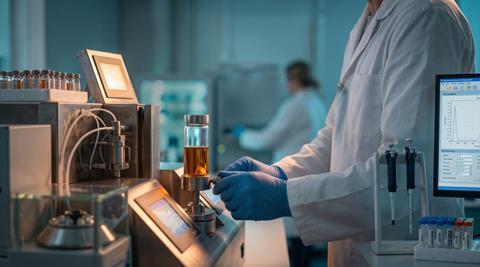
Dubai Central Laboratory now uses an automated system that can analyse up to 60 oil and fat samples a day, delivering results in two minutes compared with two hours previously.
Dubai Municipality said the system detects indicators linked to oxidation and product quality during manufacturing and storage without human intervention, allowing regulators to identify potential issues faster.
The laboratory can now process 60 samples a day, up from six. Dubai Municipality said automation maintains accuracy and compliance with international standards while allowing regulators to assess more products each day
Why faster oil testing matters
For manufacturers and regulators, the faster turnaround could matter beyond laboratory efficiency. Oxidation can affect the flavour, nutritional quality and performance of edible oils during processing and storage, making earlier detection valuable.
A 2025 review in Food Chemistry identified rapid detection methods as a promising direction for monitoring oil oxidation and enabling earlier warnings.
Cutting analysis from hours to minutes could support earlier intervention when oil quality starts to deteriorate. However, Dubai Municipality has not disclosed the analytical method or validation data, so the technology’s wider applicability remains unclear.
The system also removes the chemical consumables required by conventional testing methods. Dubai Municipality said this will improve resource efficiency and reduce the environmental impact of laboratory operations.
IN CASE YOU MISSED IT: What food manufacturers need from testing in 2026 report

New Food’s What Food Manufacturers Need from Testing in 2026 report, in association with Waters Corporation, explores how manufacturers are building more risk-led testing programmes, using analytical data to identify emerging problems earlier and support stronger operational decisions.
Featuring perspectives from Pladis UK&I, Mondelez Europe, McCain Foods, Waters Corporation, Food Forensics and New Food, the report examines the changing role of laboratories, QA teams and testing technologies.
Eng. Hind Mahmoud Ahmed, Director of the Dubai Central Laboratory Department at Dubai Municipality, said the faster, higher-capacity testing would support more proactive regulatory oversight.
“The adoption of this technology enhances the efficiency and speed of laboratory testing while maintaining the accuracy and reliability required to support food safety and consumer protection. By increasing testing capacity and enabling faster analysis, we can strengthen proactive regulatory processes and respond more efficiently to developments within the food manufacturing sector.
“The technology will also contribute to strengthening consumer confidence in the safety and quality of food products available in Dubai. It enables regulatory authorities to identify potential quality issues more rapidly and helps ensure that products comply with approved international standards and specifications.”
The upgrade follows another expansion of Dubai Central Laboratory’s food safety capabilities. In May, it launched its ViruGenetics Lab, which uses digital PCR and genomic technologies to detect foodborne viruses.

















No comments yet