




US authorities have launched a recall of Mexican jalapeños after a Salmonella outbreak made 345 people ill across 27 states.
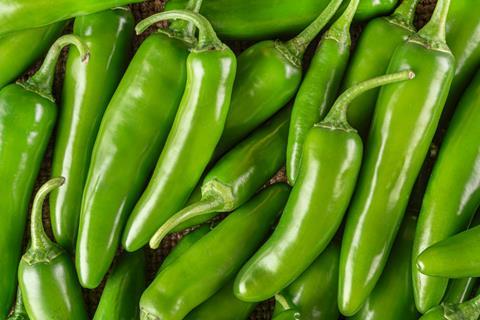
US health authorities have linked 345 Salmonella Javiana infections across 27 states to jalapeños from Sinaloa, Mexico, prompting a major recall.
The outbreak has hospitalised 36 people, with no deaths reported. Illnesses began between 19 June and 20 July 2026.
The US Food and Drug Administration (FDA) recommended that Coast Citrus Distributors recall the peppers after traceback identified a common grower in Sinaloa as the likely source. The company supplied wholesalers and foodservice customers nationwide.
Of 191 interviewees, 177, or 93 percent, ate at a Mexican-style restaurant before becoming ill. Investigators identified 27 illness clusters at Chipotle Mexican Grill and QDOBA locations across seven states.
Chipotle began switching suppliers on 20 July, while QDOBA stopped using jalapeños on 28 July and removed them from its restaurants.
Given their actions to remove product from their stores, CDC and FDA do not consider there to be a current ongoing risk from these establishments to consumers in this outbreak.”
Centers for Disease Control and Prevention (CDC)
The agencies linked the outbreak through epidemiological and traceback evidence. Coast Citrus does not appear to have supplied grocery stores directly, although the FDA continues to determine whether peppers reached retailers indirectly.
Businesses told to verify suppliers
The FDA has urged businesses not to sell or serve recalled peppers. Operators should check inventories, work with suppliers to confirm their origin and discard affected stock.
They should also clean and sanitise containers, equipment and surfaces that may have touched the product.
Because Coast Citrus mainly supplied business customers, the response depends on rapid notifications and accurate supply-chain records that can isolate stock and identify affected sites or customers.
Fresh peppers appear on the FDA’s Food Traceability List. Congress has directed the agency not to enforce its additional recordkeeping rule before 20 July 2028. Once enforceable, covered businesses must provide records within 24 hours of an FDA request, unless it agrees another reasonable timeframe.
Recent FDA traceability exercises highlighted at IAFP 2026 found that most participants provided records within 24 hours, with proactive coordination between supply-chain partners producing the strongest results.
Symptoms and consumer advice
Most people infected with Salmonella develop diarrhoea, fever and stomach cramps between six hours and six days after exposure. Symptoms usually last four to seven days.
Children under five, adults aged 65 and older and people with weakened immune systems face a greater risk of severe illness.
Consumers should confirm their jalapeños’ source with the place of purchase and should not eat recalled peppers. They should contact a healthcare provider if they develop bloody diarrhoea, diarrhoea lasting more than three days, a fever above 102°F (38.9°C), persistent vomiting or signs of dehydration.
The CDC says the true total is probably higher because many people recover without medical care and are never tested.
Separate egg outbreak prompts major recall
This comes just weeks after Midwest Poultry Services recalled 1,589,577 dozen shell eggs amid a separate Salmonella outbreak involving 98 illnesses and 26 hospitalisations across 17 states. The FDA said the producer was a common source but did not account for every illness.
The eggs were sold under brands including Kroger, Simple Truth, Brookshire’s, Cal-Maine Sunups and Country Morning in packs of six to 60. Affected cartons carry codes P-1950 or 0840962 and sell-by or best-by dates between 20 July and 17 August 2026.
The CDC advises consumers to throw away or return affected eggs and wash surfaces, containers and utensils that may have touched them using hot, soapy water or a dishwasher.
The outbreaks come amid wider Salmonella pressure. England recorded 10,406 non-typhoidal Salmonella cases in 2025, its highest annual total in a decade and a fifth consecutive increase.










No comments yet