




Authorities have arrested four men, seized 4.25 tonnes of illegal meat and launched a criminal investigation following a Dudley operation.
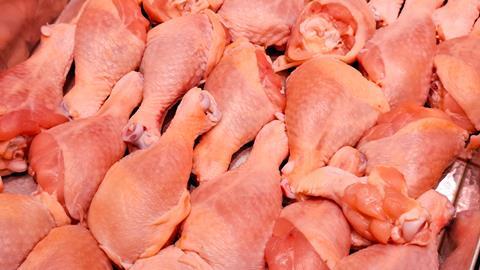
The Food Standards Agency (FSA) has issued a Food Alert for Action, and its National Food Crime Unit (NFCU) has launched a criminal investigation after officers arrested four men and removed approximately 4.25 tonnes of illegal meat from an unapproved cutting plant in Dudley.
The NFCU and Dudley Council led the operation alongside West Midlands Police, HM Revenue and Customs and Home Office representatives.
Dudley Council took enforcement action to address immediate food safety concerns, while NFCU officers began examining the seized products and paperwork recovered from the premises.
The FSA and NFCU are working with local authorities to trace the meat and remove any affected products from the market. Meat placed into the food chain illegally can bypass safety, hygiene and traceability controls, potentially exposing consumers to diseases and contaminants.
Will Simpson, Regional Intelligence Officer at the FSA’s NFCU, said: “This operation forms part of the NFCU’s ongoing work to disrupt the illegal meat trade and we are working with local authorities to trace these products and clear them from shelves. Food businesses must do their due diligence on their suppliers to ensure they meet their legal responsibilities to sell food that’s safe and what it says it is.”
Supplier controls under scrutiny
The case reinforces the importance of carrying out due diligence on suppliers, verifying relevant establishment approvals and checking identification marks on products of animal origin.
The sale of illegal meat bypasses the strict safety and hygiene standards that are in place to protect consumers, making enforcement action like this vital.”
Councillor Patrick Harley, Leader of Dudley Council
Meat cutting plants carrying out activities subject to approval must obtain it before operating. Identification marks demonstrate that products of animal origin were produced in an approved establishment in accordance with applicable food safety and hygiene requirements.
Food businesses must also maintain traceability records identifying their suppliers and the businesses they supply. For products of animal origin, these records must include the product description and quantity, dispatching and receiving businesses, lot, batch or consignment reference and dispatch date. Effective traceability enables faster, more targeted withdrawals when potentially unsafe food enters the supply chain.
Illegal meat remains enforcement priority
The Dudley operation reflects a broader enforcement focus on illegal meat and waste diversion. In a December 2025 analysis of the NFCU’s evolving role, Professor Chris Elliott identified meat, dairy and waste diversion among the unit’s main threat areas for 2025/26.
Simpson continued: “We remain vigilant to the threat of illegal meat entering the food chain and will continue to take action to protect the public. Anyone with suspicions of food crime can report it safely and confidentially to the NFCU. You can report a food crime online or by freephone on 0800 028 1180.”
Dudley Council also highlighted the public health risks posed by meat entering the supply chain outside approved controls.
“This operation demonstrates the value of strong partnership working in protecting residents and maintaining confidence in the food supply chain,” said Councillor Patrick Harley, Leader of Dudley Council.
“The sale of illegal meat bypasses the strict safety and hygiene standards that are in place to protect consumers, making enforcement action like this vital.”
He added: “We will continue to work with partners to take robust action against anyone operating outside the law and putting public safety at risk.”















No comments yet