


Resisting weight gain with cells
Posted: 23 September 2019 | Sam Mehmet (New Food) | No comments yet
Nestlé Research has undertaken exploration which points towards the body’s natural ability to resist weight gain through active cells.
Join our free webinar: The science of next-gen ingredients: fermentation, formulation and function
The functional food market demands innovation, but formulation complexity is rising. This webinar focuses on how to effectively master fermentation-derived ingredients by exploring advanced characterisation techniques, clean-label strategies, and practical application tips.
Date: 11 Feb 2026 | Time: 15:00 GMT
Can’t attend live? No worries – register to receive the recording post-event.
The worldwide overweight and obesity epidemic has become a critical healthcare issue in both developed and developing economies.
Nestlé Research scientists, along with clinical researchers from the Clinical Hospital at the University of St-Etienne, France, identified the molecular aspects underlying the low body weight and fat of Constitutional Thinness (CT) individuals, who are noted to eat a ‘normal’ diet but exhibit a natural resistance to weight gain.
Research tends to focus on strategies to help people lose weight, but little is known about why certain people are resistant to weight gain in the first place.
Join our free webinar: Rethinking Listeria monitoring: faster, simpler solutions for food safety & environmental testing
Discover how modern Listeria monitoring solutions can support faster, more reliable food and environmental testing, and help elevate your laboratory’s efficiency and confidence in results.
Date: 18 March 2026 | Time: 15:00 GMT
By understanding the biological mechanisms that underlie this resistance to weight gain in CT individuals, Nestlé hopes to help in provide solutions that work on long-term weight and health maintenance.
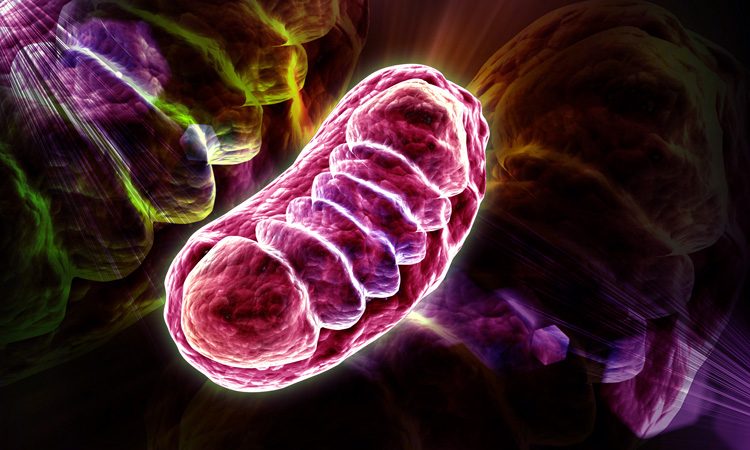
The results of the study published in the American Journal of Clinical Nutrition, show that CT individuals have distinct differences in their fat tissue. Despite the fact that their fat cells are smaller, they contain more mitochondria, which produce energy in cells. The increased mitochondrial activity results in a higher fat burning rate and higher fat synthesis. These combined mechanisms lead to an increasing of energy expenditure, and thus to resistance to weight gain.
“Understanding the natural reasons why some people are resistant to weight gain could provide new biological targets for weight management solutions and could, ultimately, allow more targeted nutritional approaches for obese people, helping them in long-term weight maintenance,” said Dr Nele Gheldof, from Nestlé Research.
Related topics
Health & Nutrition, Obesity, Research & development, Technology & Innovation, The consumer