


Regulation, labelling & compliance
Explore the evolving regulatory landscape affecting food and beverage businesses, including labelling requirements, product claims, novel food approvals, governance frameworks and compliance strategies. Stay informed on policies and regulations shaping market access and consumer confidence.
Latest content
 Opinion
The bitter taste of sustainable coffee
The world wants and needs sustainable food production, but who’s to pay for it? Chris Elliott reflects on the need to level the cost burden of assuring the prized cup of joe lives on responsibly.
 News
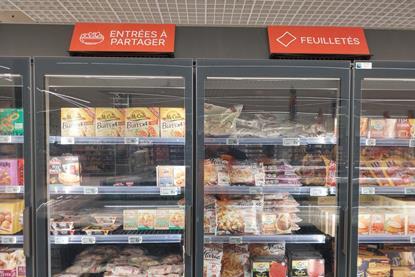
NewsCyberattack sends supermarket fridges to 50°C as 700 French stores hit
A major cyberattack has forced French supermarkets to discard fresh and frozen food, exposing vulnerabilities in critical refrigeration systems.
 News
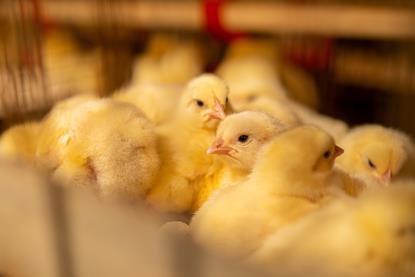
NewsCelebrities and MPs demand end to male chick culling
More than 45 million male chicks are killed annually in the UK, but campaigners, politicians and high-profile figures are demanding the Government set a firm deadline to end the practice.
Featured

Opinion
The bitter taste of sustainable coffee
The world wants and needs sustainable food production, but who’s to pay for it? Chris Elliott reflects on the need to level the cost burden of assuring the prized cup of joe lives on responsibly.

Article
GLP-1 food products must deliver more from less, but what can they claim?
As GLP-1 use changes eating habits, New Food explores viable product development, with Osborne Clarke’s Charlie Hennig examining the claims and regulatory challenges.
Webinars
- Previous
- Next






Join now
Unlock exclusive industry insights
- Bookmark articles and resources to access anytime
- Enjoy free access to industry leading resources, webinars and insights
- Stay informed with in-depth coverage of food safety, quality, innovation and regulatory change from across the global food and beverage industry
- Receive updates and recommendations tailored to your professional interests
More Regulation, labelling & compliance
 Article
The Process NIR Readiness Checklist
Successful process NIR starts before installation. This checklist helps manufacturers assess readiness, identify gaps and make the right decisions early to accelerate deployment and results.
 Opinion
The canaries are singing: is Britain finally waking up to food security?
With the UK’s food and drink trade deficit at its highest since 2000 and concern growing across industry and academia, a leading sector voice warns that food security is now a national security issue.
 Article
What viable PFAS-free food packaging really requires
With new EU limits on PFAS in food-contact packaging now in force, New Food speaks to VTT experts about balancing product performance requirements with viable PFAS-free alternatives.
More Regulation, labelling & compliance
 Article
Why fragmented product data raises the cost of food non-compliance
Specright’s Andy Stark explores how fragmented product data can increase compliance risk, slow reformulation and drain R&D capacity – and why trusted data is becoming critical to effective AI adoption.
 Opinion
Brazilian beef and the UK: why Europe’s food safety decisions matter again for Britain
With the EU ban on Brazilian beef reigniting debate over import standards, Chris Elliott examines the implications for farmers, consumers and UK food security.
 Opinion
A big UK food policy opportunity… to be seized!
Clive Black lays out potential scenarios governing the health of the UK’s food system – maintaining that securing its resilience is within grasp, if only government will but reach for it.
 Article
GLP-1 friendly’ has no regulatory definition and manufacturers are shipping it anyway
New Food explains: ‘GLP-1 friendly’ has no regulatory definition. What manufacturers must verify before using the term.
 Opinion
Imported eggs and Salmonella: the cracks in Britain’s food-safety defences
Recent Salmonella outbreaks have exposed vulnerabilities in UK egg supply chains. Chris Elliott examines their complex routes into food service and where improvements are needed.
 Article
Building food supply chain resilience through data-sharing approaches
As food supply chains face growing disruption, Wageningen University & Research experts explain why better data sharing is becoming critical to building greater agility and resilience.
 Article
How FSA national regulation proposals could reshape industry oversight
The UK Government has asked the FSA to develop national oversight of large food businesses. Walker Morris’ Chris McGarvey explains what it could mean for the industry.
 Opinion
Britain’s food system exposed this summer: the new realities of food security
Chris Elliott warns that summer 2026 is exposing serious food-system vulnerabilities and explores how Britain can strengthen resilience against mounting global pressures.
 Opinion
Ultra-processed foods and dietary guidance: why context matters
Choosing foods for good health can be difficult when availability, taste and budget shape decisions. While broad categories aim to simplify choices, new evidence suggests greater nuance is needed to improve global food environments.
 Article
How laboratory AI agents can transform R&D and quality in the food industry
Food and beverage laboratories face growing pressure to innovate without compromising safety. This article explores how agentic AI can connect siloed data, strengthen predictive quality and accelerate R&D.
 Article
Designing nutraceuticals around biology, not ingredients
Health claims on nutraceuticals can be limited due to the need for scientific evidence, which traditional products often lack. Here, we introduce a new approach to nutraceutical formulation that marries biology with engineering to address specific health issues – and the results are looking good.
 Opinion
The perfect storm for seafood fraud
The seafood industry is enormous, so too its supply chains. With consumers willing to pay premium prices for the healthy protein source, fraudulent practices have inevitably followed – on shocking scales. Chris Elliott reveals how the industry is responding and what businesses can do to boost credibility and protect consumers.
 Article
Moving AI beyond pilot: a compliance guide for food businesses
AI can improve forecasting, traceability and customer communications, but food businesses remain accountable when failures create safety or compliance risks. Here is what technical and compliance leaders should consider before moving AI from pilot to production.
 Article
Why scaling food biotechnology is an engineering challenge, not just a scientific one
As fermentation and microbial production scale up, Food Manufacturing Technologies Europe President Ola Elmqvist explains why reliability, efficiency and economics – not biology alone – will determine commercial success.
 Opinion
Food fraud could be flourishing in Britain’s forgotten supply chains
The recent successful conviction of Kismet Kebabs Ltd is as encouraging as it is concerning… Professor Chris Elliott explains why.
 Opinion
Cold chains, red-hot risks: the critical infrastructure not talked about enough
Few things spread fear more effectively than mistrust of the food supply. Professor Chris Elliott demonstrates how decisive cold chains are to the safety of food systems and why their protection must be a top priority and collective effort.