



As COP31 convenes in Türkiye, WRAP is leading calls for stronger national commitments and coordinated international action on food waste prevention.
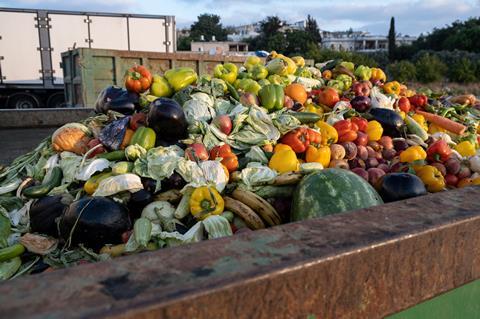
Global environmental NGO WRAP is urging governments to accelerate efforts to prevent food waste at COP31, highlighting its potential to reduce greenhouse gas emissions, improve food security and deliver economic benefits.
Catherine David, Chief Executive Officer of WRAP, will lead the organisation’s delegation to Türkiye and moderate the opening food waste panel, Preventing Food Waste: From Supply Chains to National Action, at the Zero Waste Pavilion in the Blue Zone on 9 November.
The organisation is calling for greater investment, stronger national commitments and coordinated international action to scale up existing food waste prevention solutions.
At a time when businesses and households are facing rising costs and governments are searching for solutions to climate and economic challenges, we have a huge opportunity hiding in plain sight: preventing food from becoming waste. By acting to prevent food waste, we can put money back into people’s pockets and reduce the pressure on our precious land and natural resources. We know what works, and many countries around the world are already acting, but we need to scale this.”
Catherine David, CEO of WRAP
Food waste presents a major climate opportunity
More than one billion tonnes of food is lost or wasted globally every year, contributing around 8-10 percent of global greenhouse gas emissions and costing the global economy approximately US$1 trillion. This waste also highlights a huge imbalance, with more than 780 million people worldwide experiencing hunger while vast quantities of food go unused.
A significant part of the environmental impact comes from methane released as food waste decomposes. Around 28 times more potent than carbon dioxide, methane is a major contributor to climate change, making food waste prevention an important opportunity to reduce emissions.
However, tackling the problem could deliver benefits beyond the environment. Businesses can cut costs and improve operational efficiency, while households can save money and surplus food can be redirected to communities facing food insecurity.
WRAP is working to scale these benefits through its Food Pact Network, which brings together more than 920 organisations across ten national and regional Food Pacts. By connecting businesses, governments and other partners, the network supports locally led initiatives with the potential for wider international impact.
So far, its efforts have prevented 220,000 tonnes of food from going to waste, avoiding 680,000 tonnes of CO₂e emissions. A further 2.7 million tonnes of surplus food has been redistributed through charitable and commercial outlets, providing the equivalent of approximately seven billion meals.
COP31 events focus on methane reduction
WRAP will also host Methane Takeaway: Climate Action & Resilience – Circular Food Systems alongside the UK Department for Environment, Food and Rural Affairs (Defra) and the Welsh Government on 11 November at the UK Pavilion.
Marking one year since the UK became a Food Waste Breakthrough Country Champion, the event will bring together expertise from the UK, Wales and South Africa to demonstrate practical approaches to preventing food waste and reducing methane emissions.
WRAP will also contribute to A climate solution too big to waste: Investing in food’s full potential, hosted by Global Methane Hub, the IKEA Foundation and The Global FoodBanking Network at Ted Countdown House. The event will examine how investment in food loss and waste prevention can strengthen food security and reduce emissions.
Global call for stronger national commitments
Through the Global Action Drive, WRAP is working with organisations including the Global FoodBanking Network and World Resources Institute to encourage international action.
The coalition is calling on COP31 leaders to translate existing commitments into national policies, implementation plans and measurable reduction targets. It also wants food loss and waste reduction included in relevant COP31 outcomes, alongside greater financial support for solutions delivered at national and local levels.
The group is additionally promoting the COP31 Declaration on Reducing Food Loss and Waste for Climate Action, Food Security and Resilient Food Systems, which was launched at the summit and is open to country endorsements ahead of COP32.









No comments yet