


news
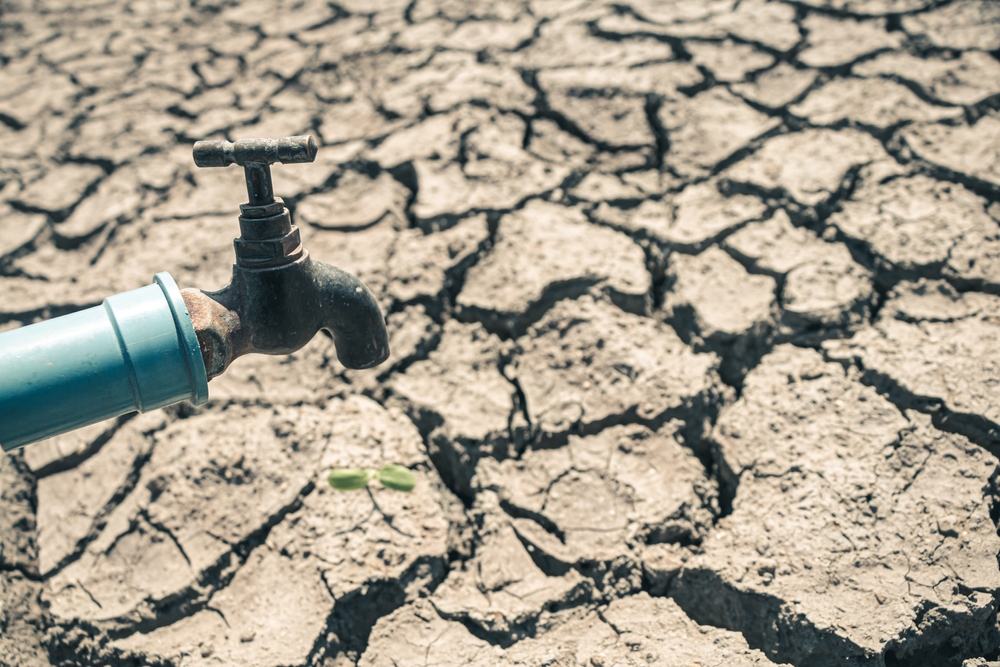
Global water bankruptcy declared as UN warns food systems at risk
UN report warns irreversible water losses threaten global food systems, urging governments to reset policy before shortages destabilise agriculture and markets.
List view / Grid view
UN report warns irreversible water losses threaten global food systems, urging governments to reset policy before shortages destabilise agriculture and markets.


Mandatory EU monitoring of PFAS in drinking water begins, forcing member states to test supplies, act on breaches and protect public health.
Danone becomes one of only 23 companies worldwide awarded CDP’s Triple A rating for climate, water and forest leadership in 2025.


Diageo pledges up to £5 million to restore degraded peatlands across Scotland, safeguarding whisky production, biodiversity and water resources.
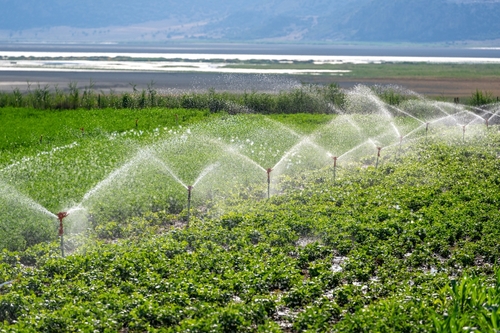
As Europe embraces reclaimed water to sustain agriculture, scientists warn that trace contaminants may be entering soils and crops. Learn how advanced HRMS technology helps laboratories identify, quantify and control emerging risks to food safety and compliance.
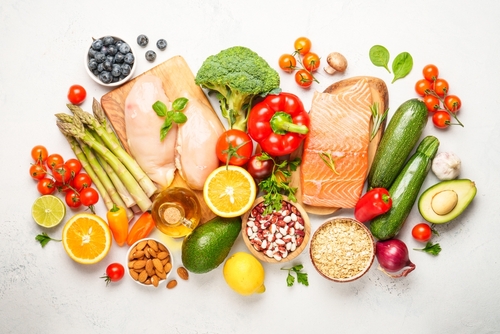
PFAS contamination continues to challenge the food and beverage sector. Agilent Technologies’ Tarun Anumol and Lorna De Leoz discuss how innovation in testing and data management is helping laboratories protect product integrity and stay ahead of regulation.
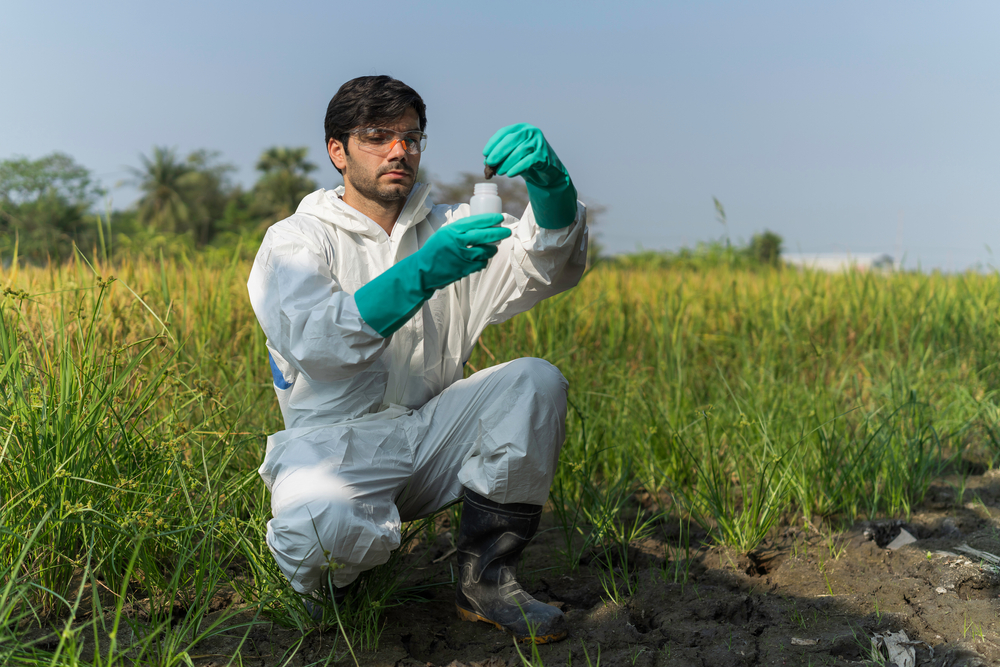
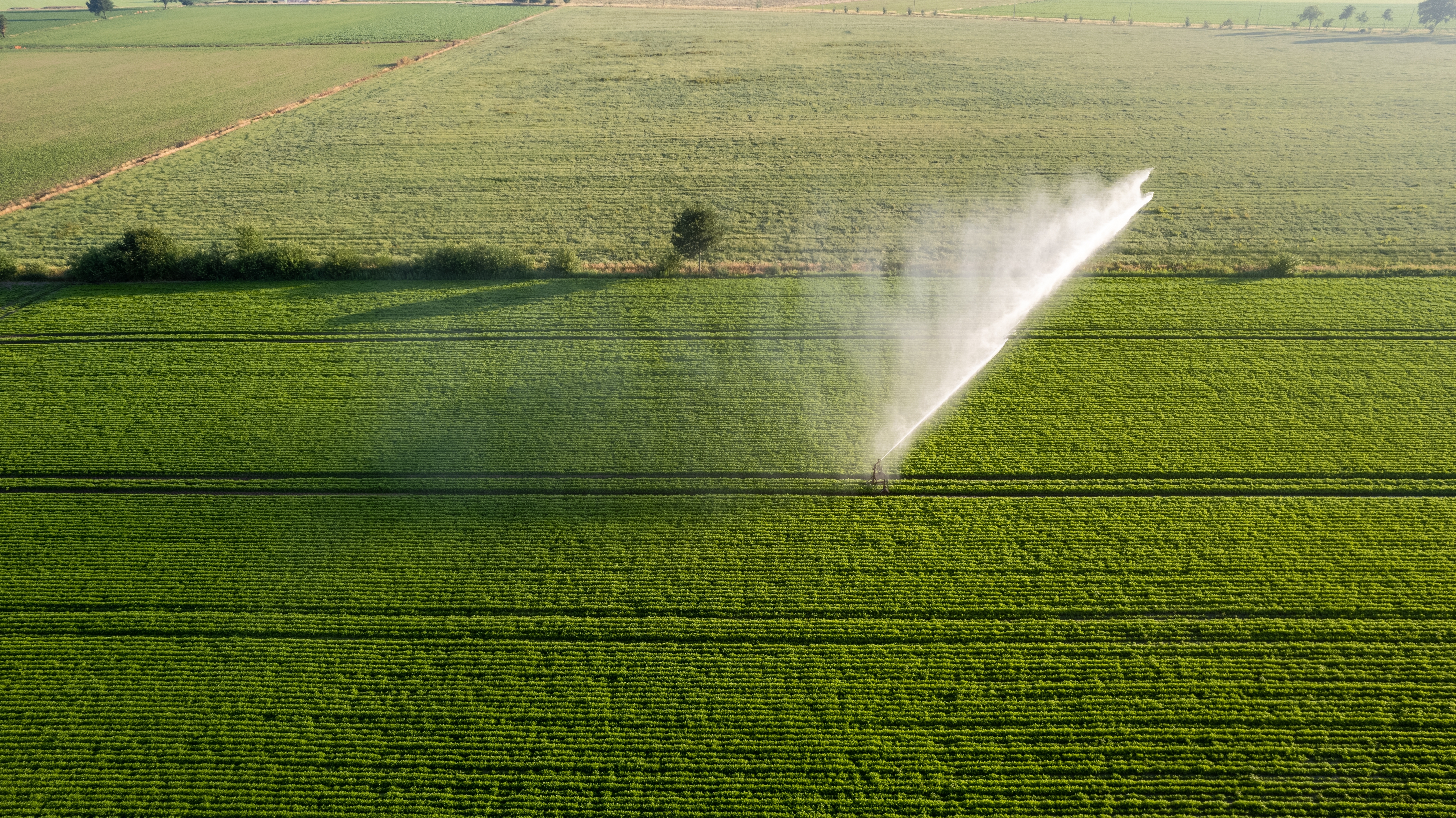
As climate pressures reshape European agriculture and reclaimed water use expands, food safety monitoring is entering a new phase. Advanced HRMS strategies, combined with routine testing and risk assessment frameworks, are giving regulators and industry the tools to protect trust in the food chain.
18 September 2025 | By SCIEX
Watch this webinar with Lorena Manzano Sánchez to learn how key HRMS technology helps QA/QC professionals, regulators, and environmental scientists detect pharmaceuticals and pesticides in crops before they threaten food safety and compliance.
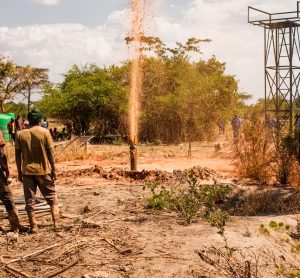

The newly formed OpenAg Foundation launches $1.3m Water for Harmony borehole project, aiming to bring clean water to one million people across Southern Africa.
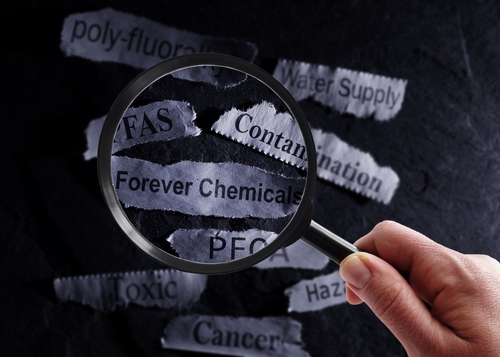
The Environmental Audit Committee has announced a major inquiry into PFAS contamination, aiming to evaluate the UK’s regulatory system and whether it is equipped to manage the rising risks these chemicals pose to public health and the food supply chain.


Water is essential for life, and The Coca-Cola Foundation is committed to protecting this precious resource. Through global initiatives, it is restoring forests, safeguarding watersheds, and supporting communities from the Eastern Himalayas to California’s fire-ravaged landscapes.

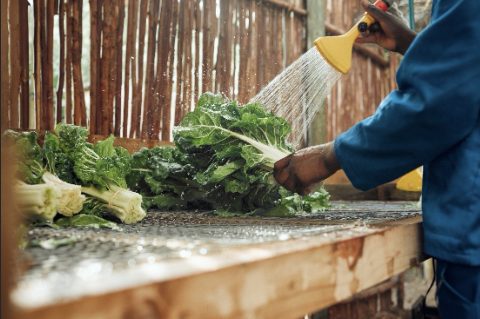
Nicola Ackermann, Business Development Manager at SGS, explores the risks posed by PFAS in food supply chains, highlighting contamination sources, regulatory frameworks, and risk assessment strategies. With extensive expertise in PFAS analysis, Ackermann discusses how manufacturers can mitigate risks and ensure compliance through testing and monitoring.
13 December 2024 | By
This report provides assembles leading experts in the food and beverage industry to examine the challenges and opportunities in addressing PFAS contamination in the food industry, from food packaging to testing innovations.


University of Delaware researchers uncover how water management affects toxic metal levels in rice and spinach, staples often found in baby food, potentially influencing future food safety policies.
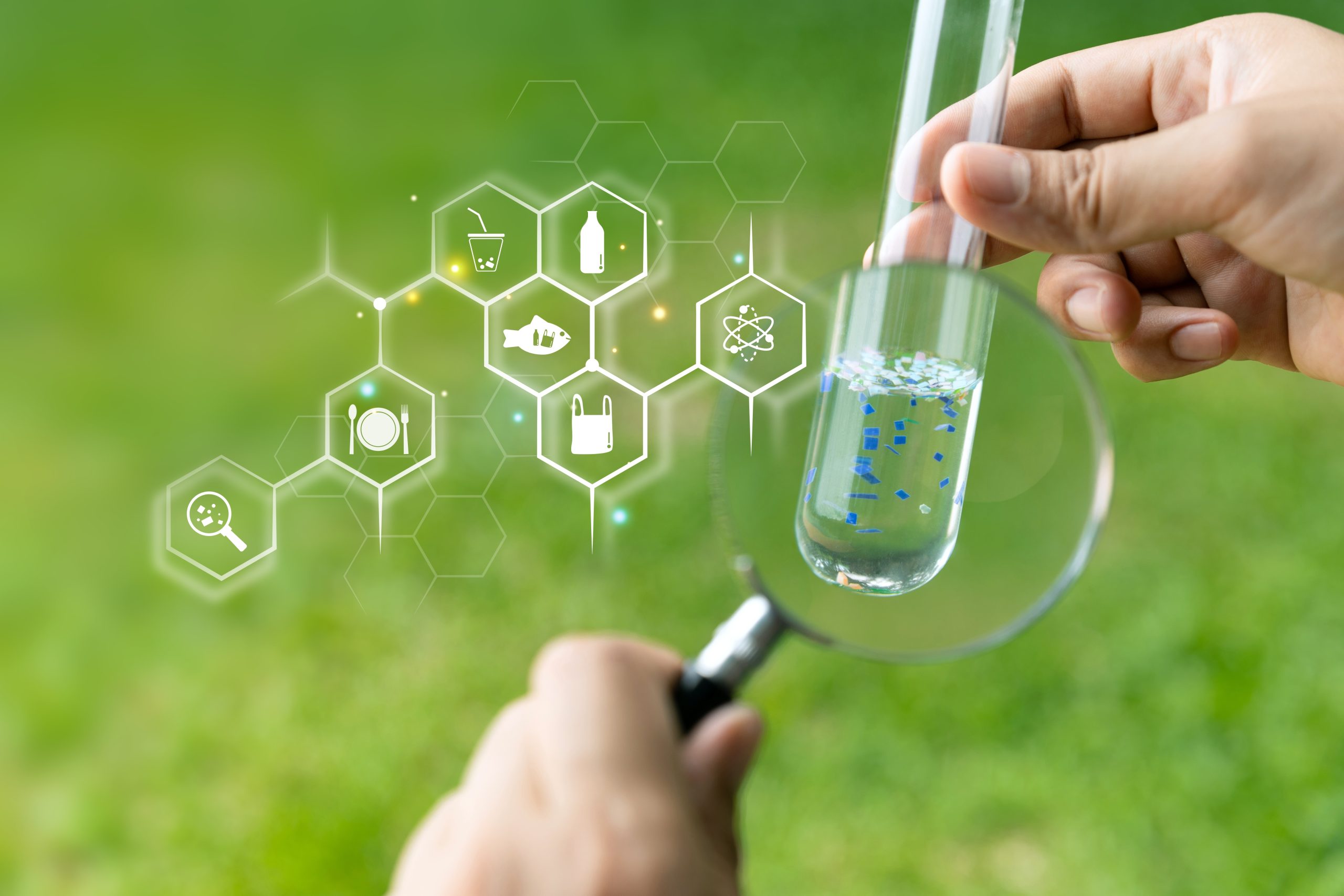
Microplastics and nanoplastics are increasingly infiltrating our food, water and the air we breathe. To combat this, researchers at the University of British Columbia have now introduced a low-cost tool designed to accurately measure plastic particles from everyday sources such as disposable cups and water bottles.

