


news
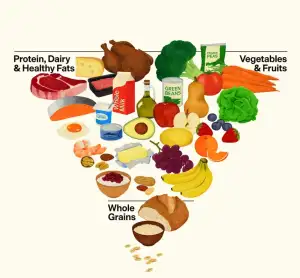
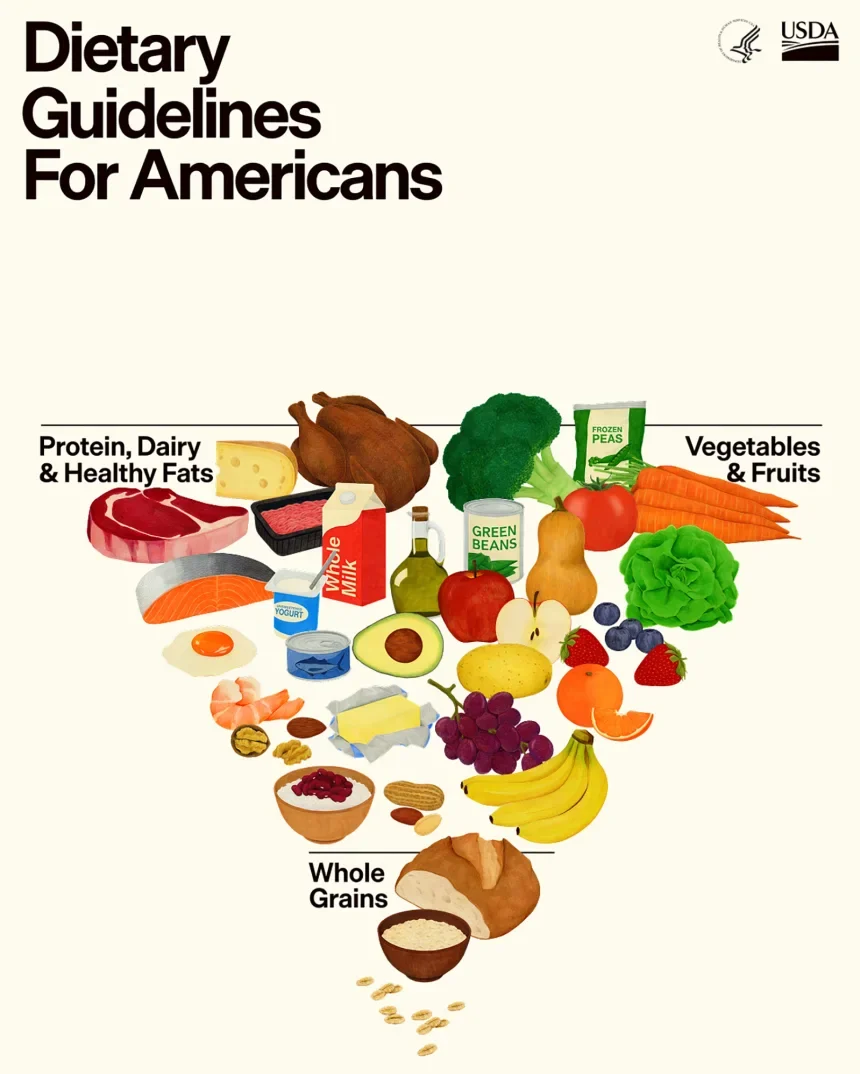
US resets dietary guidelines, backing more protein and fewer ultra-processed foods
New US dietary guidelines prioritise protein and whole foods while urging Americans to cut highly processed foods in major nutrition reset.
List view / Grid view
New US dietary guidelines prioritise protein and whole foods while urging Americans to cut highly processed foods in major nutrition reset.


Drawing on his extensive insight and all the data he can lay his hands on, Professor Chris Elliott reveals the areas most at risk of exploitation in our food system, highlighting the questionable benevolence of AI as both friend and foe.
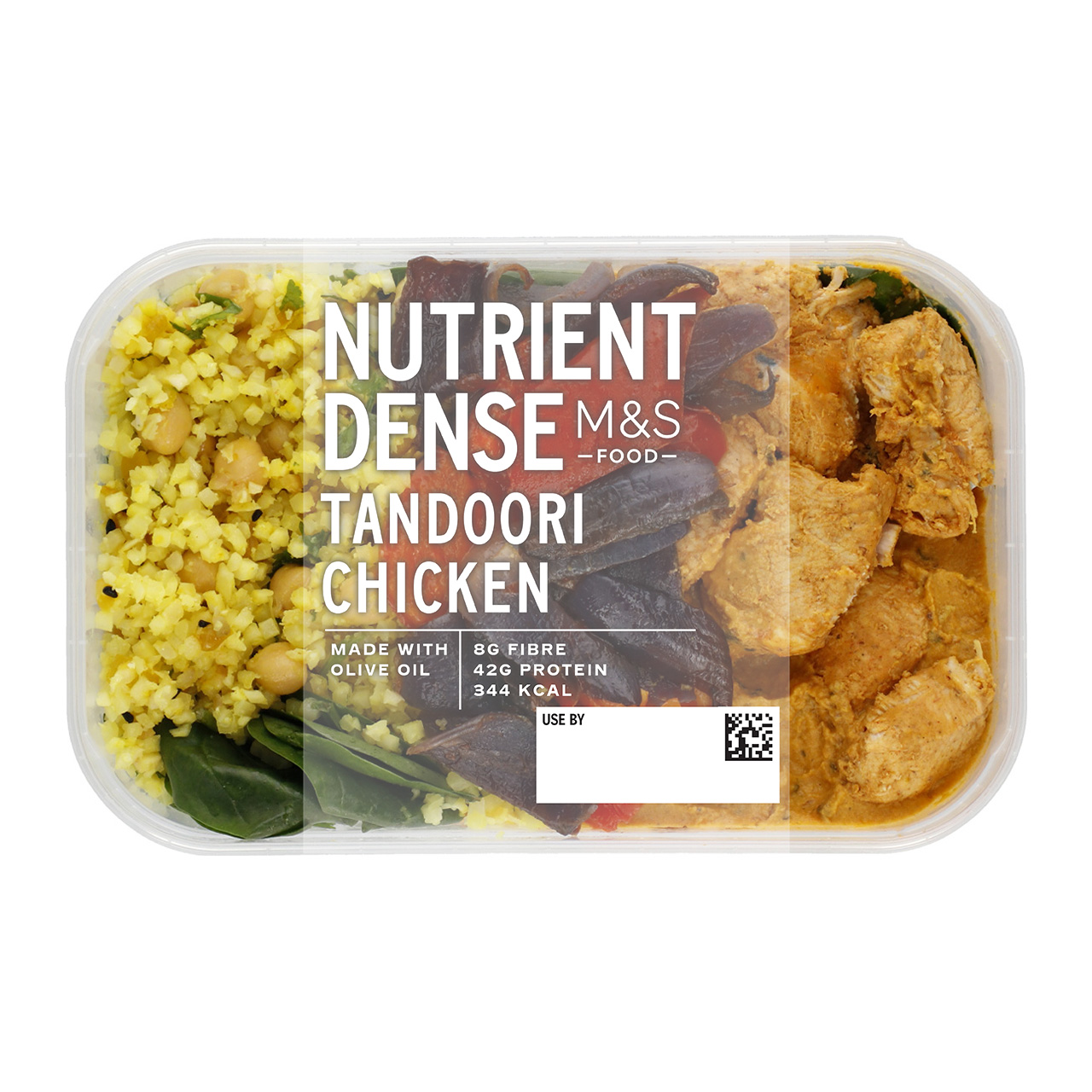
Marks & Spencer launches a nutrient-dense range responding to UK nutrient gaps and changing eating habits driven by GLP-1 uptake.
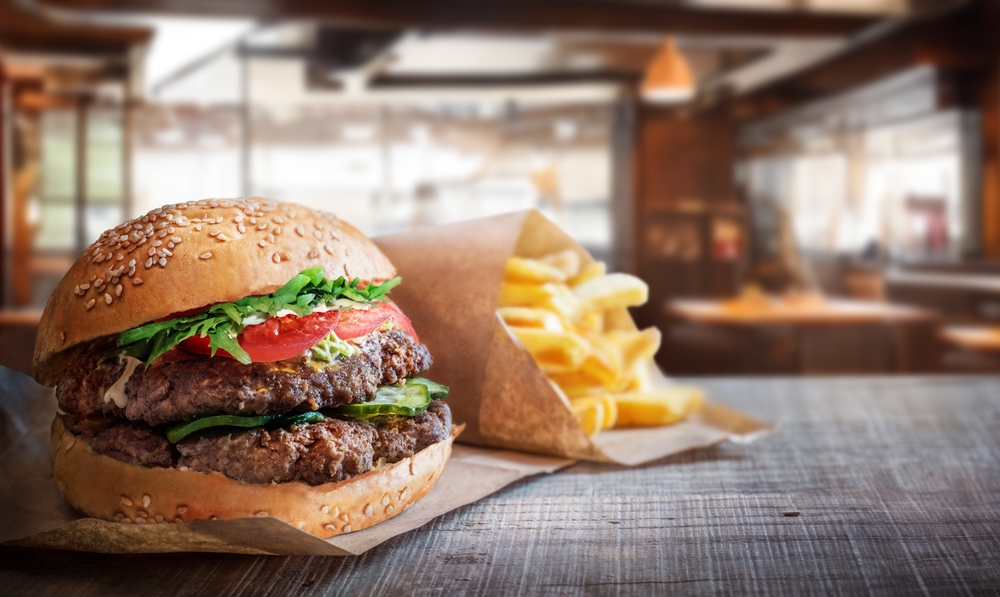
The new UK ban on junk food advertising before 9pm and online targets childhood obesity and forces change across food marketing.


Tesco is recalling Tesco Free From 4 Christmas Chocolate Flavoured Cupcakes after undeclared milk was identified, posing a risk to allergy sufferers.
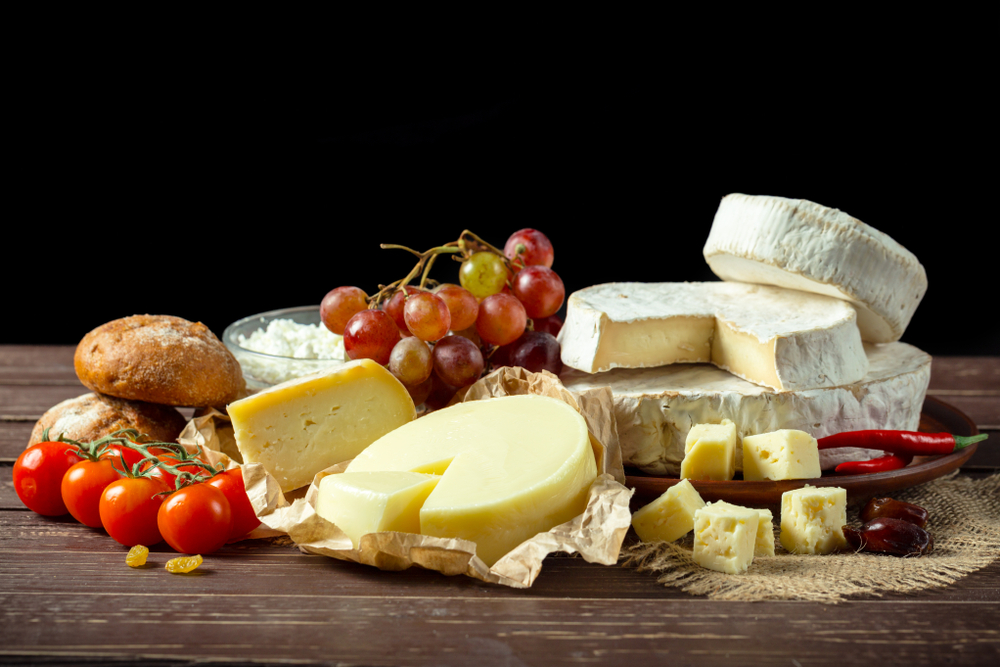
Long-term Swedish research suggests eating full-fat cheese and cream may be associated with lower dementia risk, challenging established dietary advice.
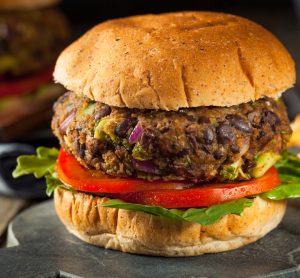
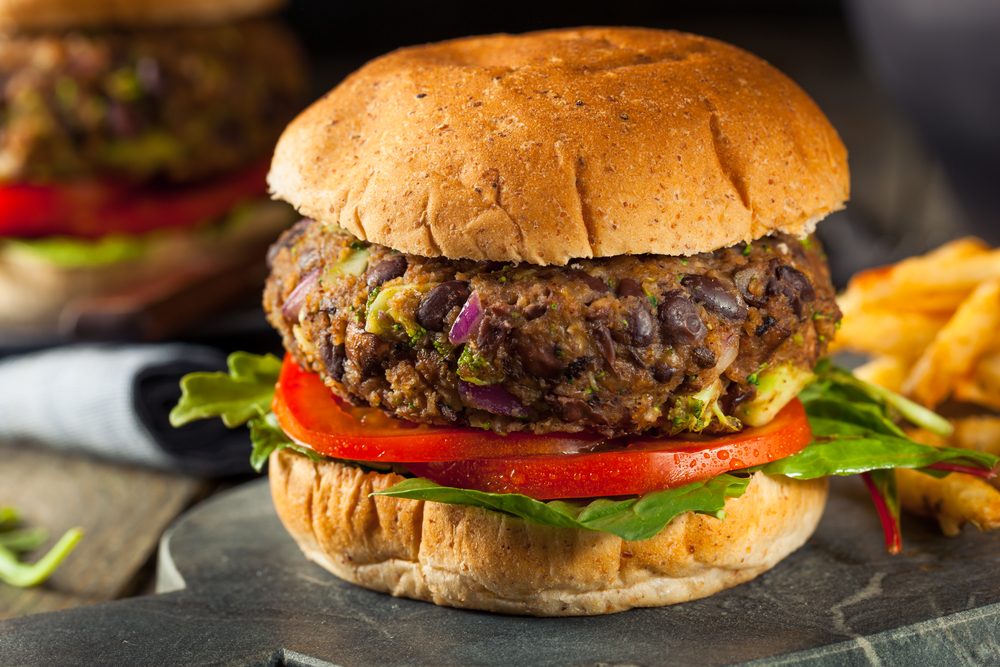
New study shows fungi grown on plant remnants produce high-quality protein to fortify plant-based diets and reduce nutrient deficiency risks.

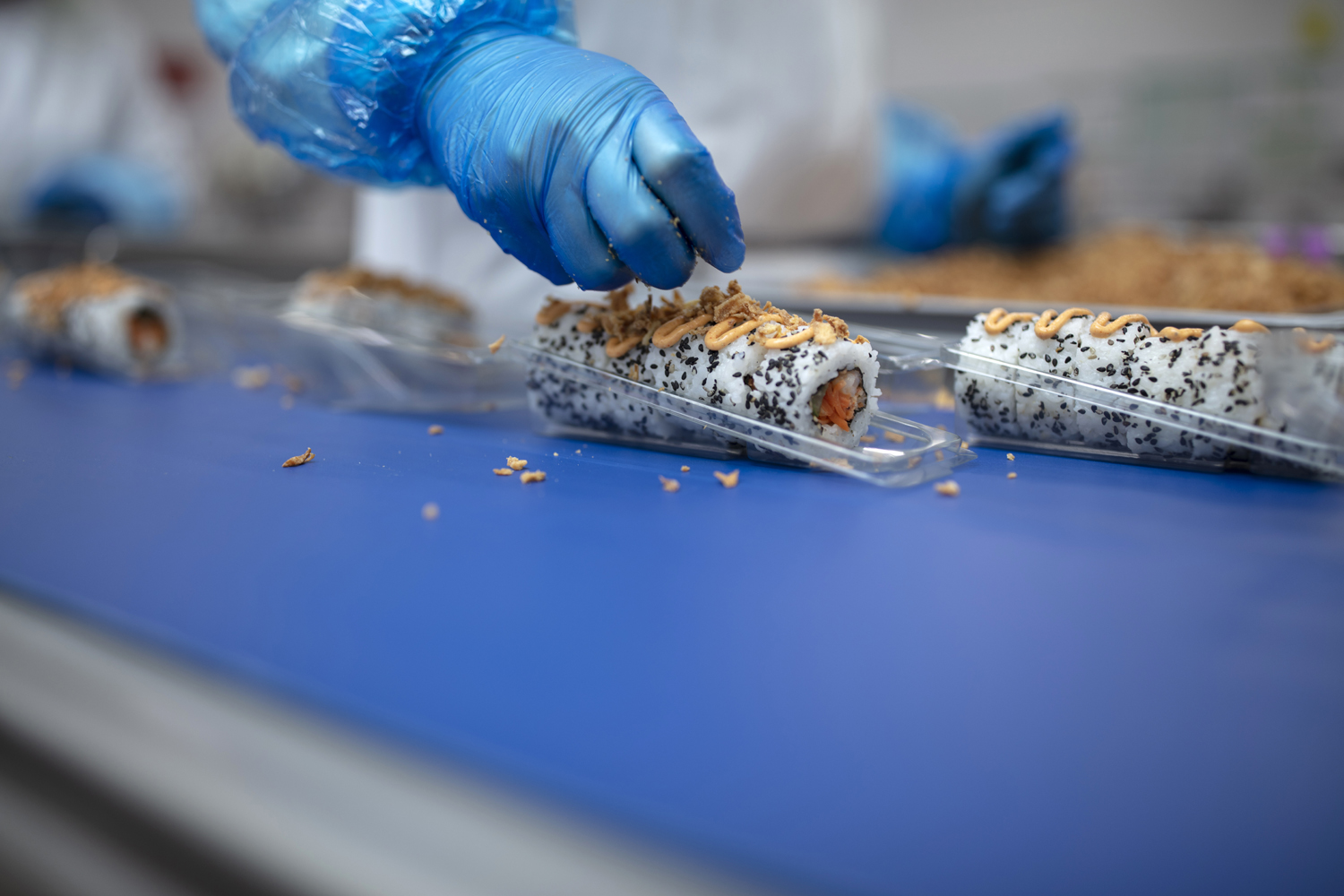
Watchdog approval clears path for Greencore’s £1.2bn Bakkavor acquisition after chilled sauces concerns resolved through Bristol site divestment.


The regulator urges caution as some Dubai-style chocolate lacks allergen labelling amid festive demand and TikTok-driven popularity.


Ingredient supplier ofi exceeds climate and living income milestones, reinforcing long-term cocoa supply chain resilience for food manufacturers.


New research explores how plant-based diets affect children’s health, revealing heart benefits alongside risks of nutrient deficiencies without careful planning.


Lewis Wallis and Dr Samuel Dicken summarise the major developments from 2025 and reflect on what we might expect in the next year as science and policy continue to evolve around ultra-processed foods (UPFs) and foods high in fat, sugar and/or salt (HFSS).
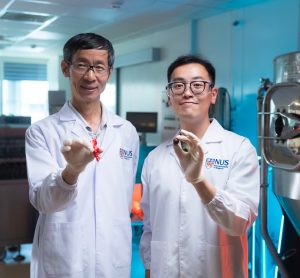

Scientists in Singapore have developed two natural processing techniques that significantly improve carob flavour, offering manufacturers a climate-resilient alternative to cocoa.


The company aims to strengthen long-term supply chain resilience by 2030, supporting farmers to adopt climate-smart techniques that improve yields sustainably

The European Union has launched its 2025 bioeconomy strategy to drive sustainable growth, circular practices, and innovation. Explore how biotechnology and fermentation can help companies scale efficiently while supporting environmental goals.

