



New nutrient profiling models developed by researchers classify up to 98 percent of ultraprocessed foods as unhealthy, raising urgent questions about the adequacy of current food policy frameworks.
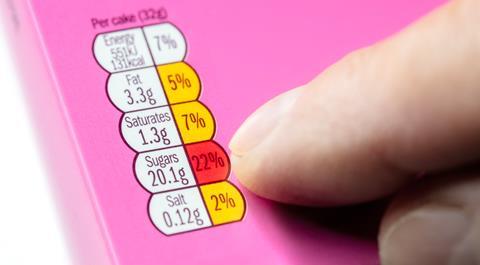
Research published in BMJ Medicine has found significant differences between the systems used to identify unhealthy food and drink products in the UK, potentially leaving many products containing excessive levels of fat, salt and sugar outside regulatory classifications.
The UK currently uses three main systems to assess food and drink products: the Eatwell Guide, which provides official dietary guidance; the Food Standards Agency nutrient profiling model (FSA NPM), which informs regulation; and front-of-pack traffic light labelling.
However, differences in their classification criteria mean that products considered unhealthy under one system may not be identified as such by another.
To investigate these inconsistencies, researchers assessed 262 processed foods and 1,636 ultraprocessed products recorded in the National Diet and Nutrition Survey database for 2019-20.
They compared the products against existing UK classification systems and developed three new nutrient profiling models based on official government dietary recommendations.
New models identify more unhealthy products
The new models assessed excessive levels of saturated fat, free sugars and sodium, with additional criteria for total fat and energy density.
The researchers found that the systems currently in use identified considerably fewer products as unhealthy than the new models.
The FSA NPM classified nearly 58 percent of ultraprocessed products and 50 percent of processed products as unhealthy. Meanwhile, the traffic light labelling system identified just over 48 percent of ultraprocessed products and 46 percent of processed products as unhealthy.
In comparison, the three new nutrient profiling models identified substantially higher proportions of ultraprocessed products as unhealthy. The first classified 91.5 percent of products in this category as unhealthy, rising to almost 95 percent under the second model and nearly 98 percent under the third.
The findings indicate that current regulatory approaches may not fully reflect UK government recommendations on nutrient intake. These include limiting energy intake from total fat to 35 percent, saturated fat to 10 percent and free sugars to 5 percent, alongside a maximum daily salt intake of 6g.
The researchers acknowledge that their analysis did not include minimally processed products. They also assessed products that would qualify for traffic light labelling even though the scheme is voluntary and not all eligible products carry these labels in practice.
Wider implications for food policy
In a linked editorial, Professor Franco Sassi and Dr Shashika Rathnayaka of Imperial College London argue that improving how products are classified is only one part of addressing unhealthy diets.
“Policies mostly target products, but their goal is to improve diets overall. A greater dietary share of ultraprocessed foods is associated not only with poorer nutrient profiles but also with lower consumption of fruits, vegetables and legumes,” they write.
They explain that changes to food policy can influence what consumers buy, potentially encouraging them to substitute one product for another. As a result, simply measuring how many products fall into an unhealthy category may not capture the wider effects of regulation on people’s diets.
Sassi and Rathnayaka therefore call for governments to consider whether food policies should focus on nutritional content, the degree of processing or a combination of both. They argue that each approach could have different implications for food reformulation and consumer choices, making it important to assess how policies affect purchasing patterns, product substitution and overall diet quality.
The editorial concludes that future policy decisions should be guided by evidence on the effectiveness, feasibility and reliability of different classification approaches, rather than relying solely on the number of products identified as unhealthy.














No comments yet