



UK food businesses face renewed food safety pressure as Salmonella and Campylobacter infections remain persistently high across England.
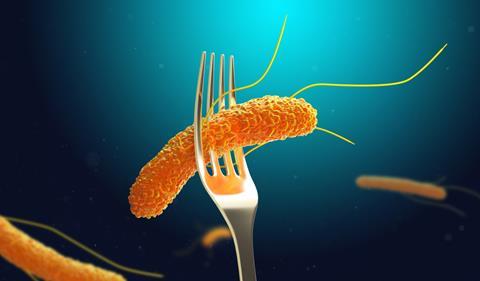
Salmonella infections in England reached their highest level in a decade in 2025, prompting renewed warnings from the UK Health Security Agency (UKHSA) and increased scrutiny on food safety practices across the supply chain.
New UKHSA data showed Salmonella cases rose slightly from 10,389 in 2024 to 10,406 in 2025. Campylobacter infections also remained stubbornly high, with 69,394 cases recorded last year compared with 70,392 in 2024.
The figures place fresh pressure on food manufacturers, retailers and foodservice operators to strengthen hygiene controls, particularly around raw meat handling, chilled foods and cross-contamination prevention.
The Food Standards Agency (FSA) said it is working with UKHSA and industry partners to investigate the continued high levels of foodborne illness and support businesses in meeting food safety obligations.
Dr James Cooper, Deputy Director of Food Policy at the Food Standards Agency, said: “Public safety is our highest priority and we’re working closely with UKHSA and other partners to understand the reasons behind the rise in Campylobacter and Salmonella cases, so we can take the necessary action to protect public health.”
He added: “We’re also supporting businesses to meet their legal responsibility to keep food safe, and we encourage consumers to check Food Hygiene Ratings at food.gov.uk when they are eating out. People can reduce their risk of food poisoning at home by following the 4Cs of food hygiene: chilling, cleaning, cooking, and avoiding cross-contamination.”
Cross-contamination risks remain high
Campylobacter and Salmonella rank among the leading causes of food poisoning in England. People usually contract the infections through contaminated poultry, meat, eggs, raw fruit and vegetables, or unpasteurised dairy products. UKHSA also warned that poor kitchen practices, including using the same utensils for raw and cooked foods, continue to drive cross-contamination.
Dr Gauri Godbole, Deputy Director for Gastrointestinal Infections at UKHSA, said: “We are seeing consistently high levels of gastrointestinal infections in England. We continue to work closely with partners to detect, investigate, and stop the spread of these infections.”
She added: “These infections spread in many ways - through contaminated food or water, contact with an infected person, or contact with infected animals or their environment. Washing hands thoroughly with soap and water, particularly after using the toilet, handling raw meat, eating, and contact with animals or farms, can help prevent infection.”
UKHSA said young children, older adults and immunocompromised people remain most at risk of severe illness.
These infections spread in many ways - through contaminated food or water, contact with an infected person, or contact with infected animals or their environment.
Washing hands thoroughly with soap and water, particularly after using the toilet, handling raw meat, eating, and contact with animals or farms, can help prevent infection.”
Dr Gauri Godbole, Deputy Director for Gastrointestinal Infections at UKHSA
Listeriosis continues to threaten vulnerable groups
The latest figures also showed listeriosis cases remained stable in 2025, with 181 infections reported across England and Wales compared with 179 in 2024. However, the infection continues to pose a significant risk to vulnerable consumers.
Cases remained highest among people aged over 80. Of 141 non-pregnancy-associated cases recorded in 2025, 28 people died, representing a mortality rate of 19.9 percent. UKHSA also linked 40 cases to pregnancy, with almost a third of known outcomes resulting in miscarriage or stillbirth.
Food businesses continue to monitor listeriosis closely because the infection is commonly linked to contaminated chilled and ready-to-eat foods.
Meanwhile, Cryptosporidium infections fell sharply from 5,703 cases in 2024 to 4,149 in 2025, returning to pre-pandemic levels. Despite the decline, UKHSA reported 18 outbreaks linked to farms and lamb contact events last year.
Despite falling Cryptosporidium cases, UKHSA’s latest figures reinforce ongoing concerns over foodborne illness across England, with regulators urging food businesses to tighten hygiene controls and reduce contamination risks throughout the supply chain.








No comments yet