


The operation has delivered one of the most significant crackdowns on food fraud to date, exposing criminal networks behind adulterated beverages, mislabelled oils, counterfeit meat and illegal food supplements.
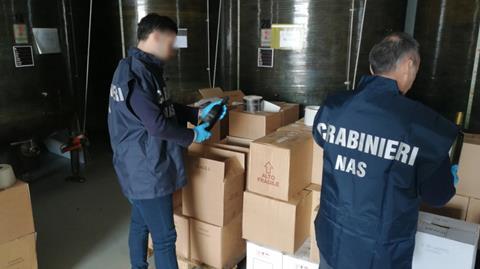
An international operation targeting food fraud has resulted in the seizure of more than €79 million worth of counterfeit and substandard products, exposing criminal networks involved in adulterated food, mislabelled goods and illegal trading across 57 countries.
Coordinated by Europol and INTERPOL, with support from the European Anti-Fraud Office (OLAF), the European Commission and national enforcement partners, Operation OPSON XV ran for six months between December 2025 and May 2026. The operation brought together law enforcement, customs and food regulatory authorities to identify fraudulent products and disrupt the organised crime groups behind their distribution.
Across the participating countries, authorities carried out 17,071 inspections, resulting in 79 arrests, 428 individuals being referred to judicial authorities and the disruption of 18 organised crime groups.
The crackdown also led to the seizure of 526,328 counterfeit items, 227,800 litres of adulterated beverages and more than 1.65 million kg of food that failed to meet required standards.
Food fraud exposes weaknesses across supply chains
The investigations uncovered fraudulent activity across a wide range of food categories, with meat and meat products, alcoholic beverages, fruit and vegetables among the most frequently targeted.
However, authorities also identified irregularities involving fats and oils, seafood, animal feed and non-alcoholic drinks. The methods used by criminal networks included repackaging expired food, producing illegal food supplements containing undeclared pharmaceutical ingredients and breaching hygiene requirements at production facilities.
Several investigations highlighted how fraudulent products can enter legitimate supply chains and reach consumers before their authenticity or safety is questioned.
In Portugal, authorities charged three individuals with a suspected scheme involving vegetable oil being fraudulently marketed as premium virgin olive oil, including through social media. The investigation resulted in the seizure of 10,000 litres of incorrectly labelled oil, alongside €200,000 in cash and four firearms.
Meanwhile, Canadian authorities seized more than 10 tonnes of honey adulterated with sugar syrups. The fraud was identified using nuclear magnetic resonance profiling, which examines the molecular fingerprint of honey to establish its authenticity.
Counterfeit meat and beverages among major findings
Other investigations exposed risks associated with fraudulent meat and fish trading. In Belgium and Italy, authorities uncovered an illegal horse meat trade involving falsified passports and reused microchips. Investigators also found residues of prohibited veterinary medicines, including phenylbutazone, in the illegally reintroduced animals.
In Spain, two individuals were arrested for selling 227kg of stolen farmed fish as wild-caught. Subsequent testing also detected drug residues in the products.
The operation extended to the alcoholic beverage sector, with counterfeit wine and prosecco recovered during coordinated raids across three locations in the UK and Italy. Information shared through Europol’s information exchange system helped authorities recover 90 pallets of counterfeit products, with an estimated retail value of almost €600,000. Forensic testing confirmed that most of the bottles were fake or mislabelled.
Protecting consumers and legitimate food businesses
The findings highlight that food fraud is not limited to counterfeit products, but also includes deliberate adulteration, misleading labelling and the failure to meet essential food safety standards. Beyond the potential health risks for consumers, these practices undermine trust in food supply chains and place legitimate businesses at a disadvantage.
Europol said Operation OPSON XV forms part of broader efforts to disrupt organised crime involved in food trafficking, with the intelligence gathered expected to help authorities pursue further action against the criminal networks responsible.










No comments yet