


A new UK-EU Common Sanitary and Phytosanitary Area, a linked Emissions Trading System and a long-term fisheries agreement signal a significant reset in post-Brexit trade relations.
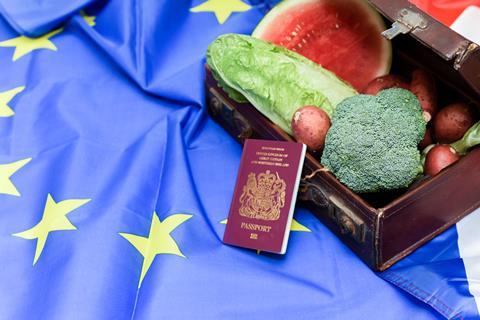
The UK and European Union (EU) have agreed a new package of measures to reset their post-Brexit relationship, with significant implications for food manufacturers, agricultural businesses and supply chains.
Having previously reached a draft agreement on measures to ease post-Brexit food trade, the UK and EU have now formally confirmed their agreement at their second bilateral summit in Brussels on 20 November 2026.
The agreements include a new Sanitary and Phytosanitary (SPS) area, linking the UK and EU emissions trading systems and commitments to improve cooperation on sustainable fisheries.
The package aims to reduce administrative barriers to trade while supporting economic growth and environmental objectives.
Food trade deal to remove routine border checks
At the centre of the agreement is a Common Sanitary and Phytosanitary Area, which will bring UK food safety, animal health and plant health rules into closer alignment with EU requirements.
Once implemented, the agreement will allow the vast majority of movements of animals, animal products, plants and plant products between Great Britain and the EU to take place without the certificates and controls currently required.
This means exporters will no longer need many of the routine export health certificates and phytosanitary certificates introduced following Brexit. Physical border checks on most affected products will also be removed, reducing paperwork, delays and associated costs for food businesses.
The arrangements will extend to movements between Great Britain and Northern Ireland through the Windsor Framework, while maintaining Northern Ireland’s access to both the UK internal market and EU single market.
The agreement is expected to come into effect on 1 March 2028, with the UK Government estimating that the food and drink trade deal could add £5.1 billion annually to the UK economy by reducing trade friction and easing pressure on prices.
The changes are also expected to remove the vast majority of ‘Not for EU’ labels currently required on certain products moving between Great Britain and Northern Ireland.
Importantly, the agreement does not remove food safety or biosecurity protections. Instead, closer regulatory alignment is intended to allow products to move more freely while maintaining common standards.
Owen Ensor, Co-Founder and CEO of cultivated meat company, Meatly, welcomed the provisions, saying the decision demonstrated the UK’s ambition to support emerging food technologies.
“The carve-out shows that the UK wants to be a place where innovation thrives,” he said. “We have just created Europe’s largest cultivated meat facility here in the UK and this decision helps to give us conviction to build industrial facilities here in the future, creating jobs and food security here in Great Britain.”
Carbon trading and fisheries agreements target sustainability
Alongside the food trade agreement, the UK and EU have concluded negotiations to link their respective Emissions Trading Systems (ETS).
The arrangement will allow mutual recognition of UK and EU emissions allowances and provide exemptions from their respective Carbon Border Adjustment Mechanisms (CBAM), subject to the necessary legal procedures.
The agreement is expected to apply from 2028, with the Government estimating it could contribute a further £3.8 billion annually to the UK economy.
For the food sector, closer cooperation on carbon pricing could help provide greater certainty for businesses operating across European supply chains. However, the benefits will depend on how the arrangements affect individual industries and their emissions-intensive inputs.
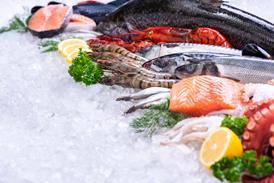
The summit also confirmed an agreement on reciprocal access to UK and EU fishing waters until 30 June 2038, with both parties having committed to working together on the sustainable management of shared fish stocks. This includes addressing declines in vulnerable species and tackling unsustainable and illegal fishing.
Implementation is key
Overall, the UK-EU package represents a significant change to the trading arrangements established following Brexit. For food businesses, reduced certification requirements and fewer border controls could simplify supply chains and improve access to European markets.
However, the benefits will depend on implementation, particularly how quickly businesses can adapt to the new regulatory arrangements. The agreement also leaves questions about the longer-term relationship between UK and EU food standards, as closer alignment will mean the UK following relevant EU rules in covered areas.
With implementation targeted for 2028, food producers, manufacturers and retailers will now be watching how the agreements translate into practical changes to trade and sustainability across the sector.






No comments yet