




FAO and WFP warn droughts and floods could disrupt agriculture across 22 countries, putting millions at greater risk of food insecurity.
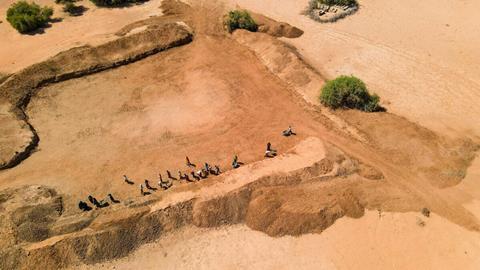
A strengthening El Niño weather pattern could increase the risk of droughts, floods and storms across parts of Africa, Asia and Latin America in 2026, threatening food production and livelihoods while raising the potential for wider supply disruptions.
In response, the Food and Agriculture Organization of the United Nations (FAO) and the World Food Programme (WFP) have launched a $202 million (£149 million) appeal to protect 8.8 million people across 22 high-risk countries.
The agencies warned that extreme weather expected during the second half of next year could damage harvests, reduce water availability and threaten agricultural livelihoods. The appeal is the first joint anticipatory action funding request from FAO and WFP.
FAO and WFP are already positioned to provide anticipatory action for around 1.2 million people expected to be affected by El Niño. However, they say a further $167 million is needed to extend support to another 7.6 million people before forecast impacts materialise.
Experience consistently shows that early action is more effective and less costly than responding after a crisis has escalated.”
FAO Deputy Director-General Beth Bechdol
El Niño is forecast to bring drier-than-average conditions to some regions and heavier rainfall to others, increasing the risk of crop losses, livestock stress and potential supply disruptions. The warning comes as many countries continue to grapple with food insecurity driven by conflict, economic instability, displacement and repeated climate shocks, including economic disruptions linked to the ongoing conflict in the Middle East.
Early action key to reducing food losses
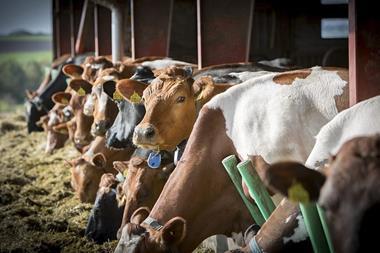
The funding would support early interventions designed to reduce the impact of extreme weather on food production and rural livelihoods. Planned measures include cash assistance, distribution of drought-tolerant and flood-resistant seeds, livestock protection programmes, water harvesting and storage systems, flood defences, agricultural advice and early warning services.
FAO and WFP estimate that every dollar invested in early action can generate up to $7 in avoided losses and response costs, helping communities protect assets and maintain food production.
“Experience consistently shows that early action is more effective and less costly than responding after a crisis has escalated,” said FAO Deputy Director-General Beth Bechdol. “We have the data, the tools and the evidence to identify risks before they become emergencies. The challenge is ensuring that financing is available early enough to act. When resources are available before trigger thresholds are reached, countries can protect food production, reduce humanitarian needs and help families safeguard livelihoods before critical planting, harvesting and livestock production windows are lost.”
WFP Acting Executive Director Carl Skau added: “We cannot afford the fallout of another food crisis. With El Niño on the horizon, we have a narrow window to act so families are not forced into impossible choices later. We now have the tools to anticipate these events, what matters is how we act with that knowledge. Early action keeps food on the table and protects those at most risk. With the right resources, we can act faster, reduce costs, and reach people before the crisis escalates.”
22 countries identified as highest risk
The appeal focuses on countries identified as highly vulnerable to El Niño-related weather shocks, including Ethiopia, Kenya, Somalia, Sudan, Pakistan, the Philippines, Colombia and Haiti, alongside 14 other nations across Africa, Asia-Pacific and Latin America.
Countries were selected based on meteorological forecasts, historical weather patterns, agricultural calendars, existing levels of food insecurity and the agencies’ ability to deliver support quickly when trigger thresholds are reached.
During the 2023–2024 El Niño event, FAO and WFP delivered early assistance to more than three million people before peak impacts occurred. Although both organisations have expanded their ability to respond since then, they say current funding levels remain well below what is needed ahead of the 2026 event.
FAO and WFP said the systems, partnerships and operational plans needed to act are already in place, but securing funding remains essential to scale up support and deliver anticipatory action at the level current forecasts demand.












No comments yet