

The UK and EU have proposed a 200-page SPS agreement to remove Export Health Certificates, reduce border checks and reopen trade in restricted products such as shellfish and fresh sausages, in return for UK alignment with EU food and agricultural rules. Implementation is expected in early 2028.
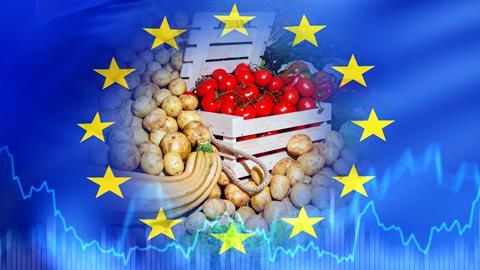
The UK and European Union (EU) have agreed a draft deal that could remove most post-Brexit checks and administrative requirements on food and agricultural products traded between them.
The proposed sanitary and phytosanitary (SPS) agreement aims to reduce the cost and complexity of exporting food, animal products and plants between the UK and EU. The 200-page draft text has been circulated to EU member states ahead of a meeting of EU ambassadors on 4 November.
The agreement forms part of wider efforts to reset UK-EU relations following Brexit, with further discussions expected at a UK-EU summit in Brussels on 20 November.
Reducing export costs and paperwork
Under the proposed agreement, exporters could see several certification requirements, inspection fees and border checks removed.
These include £200 Export Health Certificates, £25 phytosanitary certificates, organic certificates, sampling fees and certain port charges. The changes would also remove the need for some inspections and other checks on goods moving between the UK and EU.
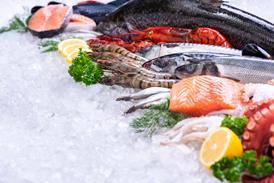
The agreement could also allow exports of certain products that have been restricted since the UK left the EU single market to resume. These include fresh sausages, burgers, shellfish from UK waters and seed potatoes.
For businesses involved in food production and distribution, removing these requirements could reduce administrative costs, simplify supply chains and make cross-border trade more straightforward.
The UK Government estimates that the agreement could eventually deliver £5.1 billion in annual economic benefits.
Closer alignment with EU standards
In return for reduced trade barriers, the UK would commit to following relevant EU regulations covering food safety, animal health and plant health.
This would involve a process known as dynamic alignment, under which the UK would adopt relevant existing and future EU rules governing agricultural and food products.This arrangement would bring UK standards more closely into line with those of the EU, reducing the need for separate regulatory checks on goods traded between the two markets.
However, it would also mean the UK having less freedom to diverge from EU rules in these areas, with future regulatory changes potentially affecting domestic food and agricultural businesses.
The proposed agreement could also simplify the movement of food and agricultural products from Great Britain to Northern Ireland.
Under existing post-Brexit arrangements, certain goods moving from Great Britain into Northern Ireland are subject to additional checks and paperwork because Northern Ireland continues to follow relevant EU rules for goods.
The new agreement is expected to remove many of these requirements, easing trade for businesses supplying Northern Ireland from elsewhere in the UK.
When could the changes take effect?
Although the draft agreement has been circulated to EU member states, it has not yet completed the necessary approval and implementation processes, with the UK and EU expected to discuss the proposals at their forthcoming summit, with the agreement expected to come into effect in the first quarter of 2028.
Until then, businesses will continue to operate under existing trade arrangements and certification requirements.


No comments yet