


University of Copenhagen researchers have developed a modified clay that captures ethylene gas, with the potential to slow fresh produce ripening, reduce spoilage and cut food waste.
Researchers at the University of Copenhagen have developed a modified clay that captures ethylene gas, a breakthrough that could extend the shelf life of fresh fruit and vegetables and help tackle the millions of tonnes of produce lost each year during transport and storage.
The material absorbs and retains ethylene, the natural plant gas that triggers ripening and contributes to food waste throughout global supply chains. Researchers believe the technology could provide food manufacturers, retailers and logistics operators with a low-cost way to slow spoilage and maintain product quality.
Fresh produce often travels thousands of miles before reaching supermarket shelves, with fruit and vegetables frequently ripening too quickly while in transit. The researchers say they have achieved the highest level of ethylene absorption yet reported in clay, creating new opportunities for food packaging applications.
The study, published in Applied Surface Science Advances, also provides new insight into the physics and chemistry of ethylene absorption, giving researchers a framework for designing future packaging materials that can more effectively capture and retain the gas.
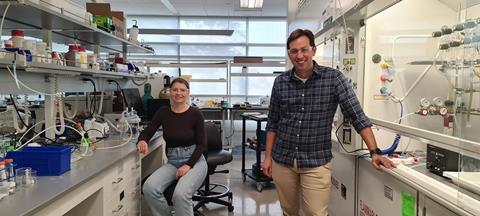
Associate Professor Heloisa Bordallo, who led the study at the Niels Bohr Institute, explained: “Clay is an interesting material because it is natural, cheap, non-toxic and found everywhere - and we can absorb it safely into the body. Our thought was: Can we use chemistry and physics to modify clay so that it captures the gas and thus slows down the ripening process? We have succeeded in doing so,” said Associate Professor Heloisa Bordallo, who led the study at the Niels Bohr Institute.
A new approach to ethylene control
The team focused on montmorillonite, a naturally occurring and non-toxic clay mineral. By applying a mild chemical treatment, researchers increased the space within the clay structure, enabling it to absorb and retain significantly more ethylene than untreated clay while maintaining its safety profile.
Clay is an interesting material because it is natural, cheap, non-toxic and found everywhere - and we can absorb it safely into the body. Our thought was: Can we use chemistry and physics to modify clay so that it captures the gas and thus slows down the ripening process? We have succeeded in doing so.”
Associate Professor Heloisa Bordallo, who led the study at the Niels Bohr Institute
The findings provide what the researchers describe as a blueprint for developing packaging materials that tackle ethylene-related spoilage. They envisage incorporating the material into small sachets or pads placed alongside fresh produce during transport and storage, similar to the moisture-absorbing packets already widely used in packaging.
“We imagine small bags or pads of powdered clay that can be placed with fruit and vegetables during transport and absorb ethylene – in the same way as the moisture-absorbing silica bags that often come in the packaging when you buy, for example, shoes and electronics,” said Karina Kovalchuk, first author of the study and a member of Bordallo’s research group at Lawrence Berkeley National Laboratory.
Benefits beyond waste reduction
The breakthrough could also help improve flavour and eating quality. Growers often harvest fruit before it reaches optimal ripeness to ensure it survives long journeys, limiting the development of taste and aroma compounds.
“If we manage to solve the problem with ethylene, it serves two good purposes. First, we can reduce the global problem of food waste. At the same time, it can make it possible to harvest fruit later in the ripening process, so that consumers get fruit that tastes as it should,” said Bordallo.
The researchers are now working to optimise the material’s performance and environmental credentials before testing it in food packaging systems, with the ultimate aim of bringing the technology to market.
Kovalchuk added: “Now we know the fundamental physics and chemistry of the process that affects the clay’s ability to absorb and retain ethylene. We didn’t do that before. So now we can control and optimise the process, which is necessary for it to be used in industry.”




![EcoTrophelia_009[1]](https://d1qyip7ii4bpjm.cloudfront.net/Pictures/380x253/2/2/4/14224_EcoTrophelia_0091.jpg)




No comments yet