




WHO estimates find unsafe food causes 866 million illnesses and 1.5 million deaths each year, with children and low-income regions hardest hit.
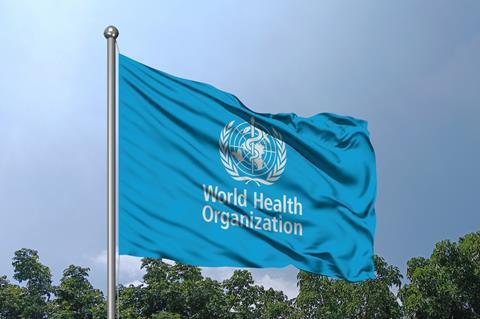
New figures from the World Health Organization (WHO) find that unsafe food causes up to 866 million illnesses and 1.5 million deaths worldwide every year, underlining the continuing scale of the global food safety challenge.
The analysis, published today, shows that children under five face almost three times the risk of illness from unsafe food compared with older children and adults. Although they make up just 9 percent of the global population, young children account for nearly one-third of all foodborne disease cases.
Food safety is not an abstract issue – it touches every meal, every family, every day. Unsafe food has always been a major public health concern, but until now we lacked the bigger picture of its staggering human and economic toll. These new estimates change that.”
Dr Tedros Adhanom Ghebreyesus, WHO Director-General
WHO says many of these illnesses and deaths could be prevented through improved sanitation, hygiene, food safety practices such as pasteurisation and better access to healthcare. While the overall burden of foodborne disease has fallen since 2000, Africa and South-East Asia continue to carry the heaviest burden, accounting for nearly three-quarters of illnesses and 60 percent of deaths.
Chemical contaminants linked to most foodborne deaths
The findings also reveal a striking contrast between the hazards causing illness and those contributing to deaths. Bacteria, viruses and parasites triggered around 860 million foodborne illnesses in 2021, but chemical contaminants accounted for 73 percent of foodborne disease deaths.
WHO linked inorganic arsenic and lead to the majority of those fatalities, contributing 42 percent and 31 percent of deaths respectively. Together, the contaminants were linked to more than one million deaths in a single year, largely because exposure increases the risk of cardiovascular disease and cancer. Exposure to methylmercury also remains a significant concern, particularly for children, as it can damage the developing brain and cause lifelong neurological and developmental problems.
“Food safety is not an abstract issue – it touches every meal, every family, every day. Unsafe food has always been a major public health concern, but until now we lacked the bigger picture of its staggering human and economic toll. These new estimates change that,” said Dr Tedros Adhanom Ghebreyesus, WHO Director-General.
“For the first time, countries have their own data to see where the burden is highest. With that knowledge, governments can prioritise the actions needed to protect people’s health.”
Foodborne disease takes a $647bn toll
Beyond its health impact, unsafe food continues to place a substantial economic burden on societies. WHO estimates foodborne disease caused around $310 billion (US) in lost productivity in 2021 through illness-related absences from work. When adjusted for differences in living costs between countries, the figure rises to $647 billion.
WHO’s analysis represents its most comprehensive assessment of foodborne disease to date, examining 42 major hazards across 194 countries between 2000 and 2021. The study includes several hazards not covered in previous estimates, including metals, rotavirus and Trypanosoma cruzi, the parasite that causes Chagas disease.
WHO is calling on governments to strengthen efforts to prevent contamination before it enters the food chain through improved agricultural practices, tighter industrial controls and stronger environmental regulation. Once contaminants such as arsenic, lead and methylmercury enter food systems, they are often difficult or impossible to remove.
The report also warns that climate change, antimicrobial resistance, evolving diets and inequalities in food systems are increasing exposure to food safety risks globally.
“This report is a wake up call – but also a roadmap. The data show that foodborne diseases are not only persistent but are being made worse by climate change, which increases contamination risks, and by antimicrobial resistance, which makes infections harder to treat. We cannot tackle these threats alone,” said Yuki Minato, WHO technical officer for food safety and senior author of the Lancet Global Health paper.
“A One Health approach – integrating human, animal, plant, and environmental health – is essential. Countries must act urgently, using these estimates to target interventions, invest in surveillance, and break down the silos between health, agriculture and environment sectors. Delay costs lives.”




Topics
- Contaminants & residues
- Enforcement, policy & governance
- Food safety & integrity
- Hygiene, sanitation & environmental monitoring
- Pathogens & microbiology
- Regulation, labelling & compliance
- Shelf life, spoilage & integrity
- Sustainability & supply chain resilience
- The Lancet
- The World Health Organization (WHO)
- Traceability, transparency & compliance
- Trade, economics & market risk







![EcoTrophelia_009[1]](https://d1qyip7ii4bpjm.cloudfront.net/Pictures/380x253/2/2/4/14224_EcoTrophelia_0091.jpg)




No comments yet