

Greenpeace-backed research detected thousands of microplastic particles in baby food pouches, raising concerns over packaging safety and infant exposure.
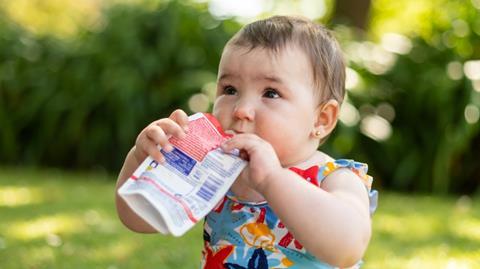
Baby food products sold by Nestlé and Danone are facing renewed scrutiny after Greenpeace International-backed research detected microplastics in every pouch sample tested.
The report, Tiny Plastics, Big Problem: The Hidden Risks of Plastic Pouches for Baby Food, analysed Nestlé’s Gerber yoghurt puree pouches and Danone’s Happy Baby Organics fruit puree pouches. Researchers at SINTEF Ocean in Norway found microplastic particles in every sample and identified plastic-associated chemicals in both the packaging and the food itself.
The study estimated more than 5,000 microplastic particles in each Gerber pouch and more than 11,000 particles in each Happy Baby Organics pouch. Researchers also identified what they described as a potential endocrine disruptor in the Gerber samples tested.
“This study is a wake-up call for parents everywhere, who trust these brands to put their kids first. Plastic-dependent companies like Nestlé and Danone owe families a clear answer: what are they doing to eliminate microplastics and chemicals from the products they sell to babies?” said Graham Forbes, Global Plastics Campaign Lead at Greenpeace USA.
For every gram of baby food analysed, researchers found up to 54 microplastic particles in Gerber pouches and up to 99 particles in Happy Baby Organics pouches on average – equivalent to as many as 270 and 495 particles respectively per teaspoon.
Packaging under pressure
Greenpeace said the findings suggest the pouch packaging itself may contribute to contamination. Researchers involved in the study identified a potential link between polyethylene, the plastic lining used inside the pouches, and some of the microplastics detected in the food.
This study is a wake-up call for parents everywhere, who trust these brands to put their kids first. Plastic-dependent companies like Nestlé and Danone owe families a clear answer: what are they doing to eliminate microplastics and chemicals from the products they sell to babies?”
Graham Forbes, Global Plastics Campaign Lead at Greenpeace USA
The findings place further pressure on major food manufacturers as scrutiny intensifies around plastic packaging and chemical exposure in food systems. Packaging accounts for around 40 percent of global plastic production, while flexible multilayer plastics such as pouches and sachets remain among the hardest materials to recycle.
Growing focus on baby food pouches
Plastic squeeze pouches have rapidly become the dominant packaging format for baby food globally, overtaking traditional glass jars as manufacturers respond to demand for convenience-led formats. Greenpeace said plastic squeeze pouches accounted for more than 37 percent of the global baby food packaging market by volume in 2025, with annual growth expected to exceed 8 percent through to 2031.
The organisation warned that millions of babies worldwide could ingest microplastics alongside their food every day, with infants potentially more vulnerable because of their developing organs and higher food intake relative to body weight.
Greenpeace also stated that both Nestlé and Danone have repeatedly ranked among the world’s top plastic polluters in global brand audits carried out by the Break Free From Plastic movement.
Greenpeace is now urging baby food manufacturers to phase out plastic packaging in favour of reusable, plastic-free alternatives. The group also called on negotiators at the UN Global Plastics Treaty talks to introduce tighter controls on plastic production and chemical contamination.
“Plastic pollution is not just wrecking our environment, it’s entering our bodies, starting from infancy. How our food is packaged is designed for profit, not for people’s health. Cutting plastic production and eliminating harmful chemicals is essential to protect human health, especially the health of our children,” Forbes said.



No comments yet