




Food and farming leaders warn urgent reform is needed to strengthen supply chains, protect consumers and keep UK food security on the political agenda.
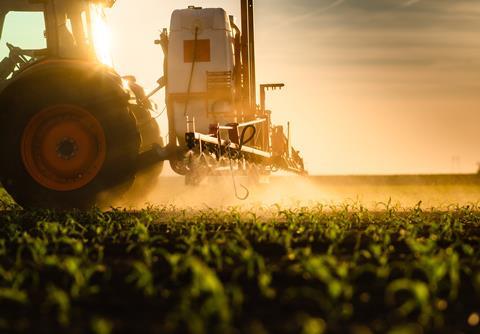
The UK’s leading food and farming bodies have warned the next Prime Minister that urgent policy reform is needed to protect food security, unlock investment and ease pressure on businesses and consumers.
As nominations open in the race for Number 10, the NFU has joined the British Retail Consortium, the Food and Drink Federation and UKHospitality in calling for a five-point plan to build a more resilient and affordable food system.
In an open letter to candidates, the coalition urges the incoming Prime Minister to prioritise planning reform, workforce access, investment incentives, closer EU trading arrangements and measures that deliver better value for the public.
British farmers and growers are the foundation of our food system. With 70 million people reliant on us to produce their food, we must act now to secure a resilient, affordable food system in the coming years.”
NFU President Tom Bradshaw
Food security under pressure
The groups say reform is needed because food and drink contributes more than £153 billion to the UK economy and supports four million jobs, while businesses across the supply chain continue to face rising costs, labour shortages, regulatory complexity and barriers to infrastructure investment.
In the letter, the organisations warn: “Food security is national security. We have heard that sentiment from government. The next Prime Minister has the opportunity to match those words with action.”
Without faster action, they warn, domestic food production and affordability will remain under strain. The coalition argues that government must treat food security as a strategic priority across the whole supply chain.
“British farmers and growers are the foundation of our food system. With 70 million people reliant on us to produce their food, we must act now to secure a resilient, affordable food system in the coming years,” said NFU President Tom Bradshaw. “To drive success, farmers and growers need to know they’ll have the workforce they rely on, regulation which supports efficiency and growth, and a planning system that drives investment in much-needed farm infrastructure such as poultry sheds, storage for valuable manures and reservoirs.”
Investment across the supply chain
Retailers, manufacturers and hospitality businesses echoed the call for long-term investment, arguing that resilience depends on removing barriers across the whole food system.
Andrew Opie, Director of Food & Sustainability at the BRC, said: “Food retailers are proud to support British agriculture and already source the vast majority of their food from the UK. In order to grow this investment, government must work to remove some of the hurdles which hold back British farmers, including on costs, planning restrictions, and reducing friction in EU realignment.”
Food and drink manufacturers also called for a closer partnership with government, arguing that the UK’s largest manufacturing sector should drive growth, create skilled jobs and invest in technologies that make the food system more resilient and diets healthier.
Karen Betts, Chief Executive, The Food and Drink Federation, said: “Our industry should be driving growth and creating new jobs in every postcode across the country. But instead, many businesses are struggling with the cost of rising bills and complex regulation. We want government to work with our sector to incentivise investment, particularly in new technologies, advanced skills, and the R&D necessary to make our food system more resilient and our diets healthier.
“The new Prime Minister should seize this opportunity to partner with us to strengthen and safeguard the UK’s food system today and into the future.”
Hospitality leaders said the same pressures are also being felt by customer-facing businesses, with pubs, restaurants, cafes, hotels and contract caterers dependent on a stable supply chain to serve millions of people each day.
Kate Nicholls, Chair of UKHospitality, said: “It’s critical that the next Prime Minister supports the food supply chain by reducing its tax burden, cutting red tape and enabling businesses from farm to fork to grow.”
The intervention puts food security firmly in the next Prime Minister’s in-tray, with industry calling for action across every part of the supply chain.








![EcoTrophelia_009[1]](https://d1qyip7ii4bpjm.cloudfront.net/Pictures/380x253/2/2/4/14224_EcoTrophelia_0091.jpg)




No comments yet