



UNECE has agreed new guidance and trade measures aimed at reducing food loss across fresh and dried produce supply chains.
The United Nations Economic Commission for Europe (UNECE) has agreed a package of measures to reduce food loss across fresh and dried produce supply chains, including new industry guidance and proposals to cut border rejections caused by labelling errors.
Agricultural quality experts from across the UNECE region approved a new approach to integrating food loss reduction into fresh fruit and vegetable standards, endorsed part of a new Code of Good Practice for dried fruit and nut value chains, and advanced work on a voluntary package marking format to reduce shipment rejections.
UNECE said improvements to its standards are already delivering results.
“A single change to the UNECE table grape standard in 2025 cut related packhouse losses from nearly 5 percent to under 1 percent”, said Cyril Julius, Chair of the UNECE Specialized Section on Standardization of Fresh Fruit and Vegetables. “Table grapes are a key South African export, and improved quality standards are already making a measurable difference.”
The organisation is also seeking to reduce food loss linked to border rejections.
“Incorrect or incomplete marking of packages is a major cause of border rejections. The voluntary format for marking of colli currently under development aims to reduce food loss and waste by minimising rejections linked to incorrect marking,” explained Karen Spruijt de-Gelder, Vice-Chair of the UNECE Specialized Section on Standardization of Fresh Fruit and Vegetables.
New code for dried fruit and nuts
UNECE is also extending its work to dried fruit and nut supply chains through a new Code of Good Practice for handlers, processors, manufacturers and traders.
“Building on the UNECE Code of Good Practice for fresh fruit and vegetable value chains, this new guidance for dry and dried produce will close an important gap. Nuts and dried fruit often travel long distances and pass through many hands, and even small, well-targeted improvements in handling, storage and packaging can significantly extend shelf life and prevent waste. The drafting group has produced a text firmly grounded in industry practice,” noted Dorian LaFond, Vice-Chair of the UNECE Specialized Section on Standardization of Dry and Dried Produce.
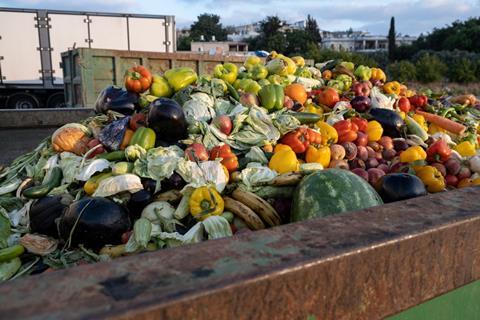
Food loss and waste remain a major global challenge. Around 13 percent of food is lost between harvest and retail, while a further 19 percent is wasted at retail, food service and household level, equivalent to 1.05 billion tonnes globally. Food loss and waste account for an estimated 8-10 percent of global greenhouse gas emissions, with fruits and vegetables recording post-harvest loss rates of 25.4 percent in 2023.
The latest work builds on more than 75 years of UNECE agricultural standard-setting. Since 1949, the UNECE Working Party on Agricultural Quality Standards (WP.7) has developed more than 120 standards used by governments, producers, traders, importers and exporters worldwide, with several countries incorporating them into agricultural quality legislation.
Incorrect or incomplete marking of packages is a major cause of border rejections. The voluntary format for marking of colli currently under development aims to reduce food loss and waste by minimising rejections linked to incorrect marking.”
Karen Spruijt de-Gelder, Vice-Chair of the UNECE Specialized Section on Standardization of Fresh Fruit and Vegetables
Experts also agreed revisions to standards covering citrus fruit, dried apricots, inshell pistachio nuts, dehydrated coconut kernel pieces and apple varieties, while progressing a new standard for whole dried rosehip.
The revised standards will be submitted for adoption at the UNECE Working Party on Agricultural Quality Standards’ 81st session in November 2026.

















No comments yet