




New sustainability report highlights progress on farmer incomes, human rights due diligence, climate action and supply chain traceability.
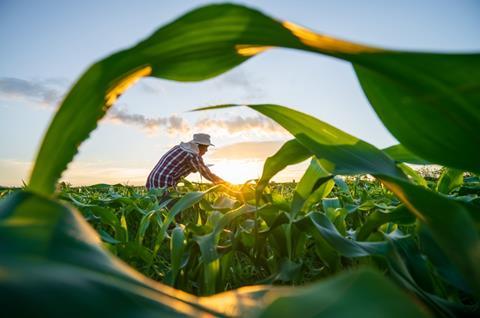
More than 200,000 farming households achieved a living income in 2025 as ofi stepped up efforts to improve traceability, strengthen human rights due diligence and build more resilient supply chains.
The company’s first Choices for Change impact report shows that around 730,000 farms have been geolocated through its EUDR-ready Track and Trace system, while due diligence systems now cover all high-risk supply chains.
The report tracks progress against ofi’s 2030 sustainability commitments across cocoa, coffee, dairy, nuts and spices. The findings come as food and beverage manufacturers face increasing pressure to improve traceability, meet due diligence requirements, reduce Scope 3 emissions and substantiate sustainability claims.
ofi also supported 570,000 farming households in 2025 through livelihood programmes. At the same time, the company secured validation of its Scope 1, 2 and 3 emissions reduction targets from the Science Based Targets initiative and increased renewable energy use to 41 percent across its tier-one processing facilities.
Roel van Poppel, Chief Sustainability Officer at ofi, said: “Customers are asking for better visibility and more reliable data across supply chains. This report brings that information together in one place and gives a clearer view of the progress we are making across our supply chains, where more work is still needed and what we are learning as we go. Over the next five years, the opportunity is to take what we’ve built and scale it further - working with customers and partners to expand traceability, improve data transparency and scale specific programs such as agroforestry and living income initiatives, even in a tougher operating environment. That’s central to our purpose to be the change for good food and a healthy future.”
Building resilience from farm to factory
The findings come as food manufacturers face rising commodity costs, increasing regulatory scrutiny and growing demands for supply chain transparency. While the report highlights progress across several sustainability targets, it also points to areas where further work is needed.
Over the next five years, the opportunity is to take what we’ve built and scale it further - working with customers and partners to expand traceability, improve data transparency and scale specific programs such as agroforestry and living income initiatives, even in a tougher operating environment. That’s central to our purpose to be the change for good food and a healthy future.”
Roel van Poppel, Chief Sustainability Officer at ofi
One of the most significant developments is the expansion of traceability and sourcing visibility. Around 730,000 farms have been geolocated through ofi’s EUDR-ready Track and Trace system, while the company has completed deforestation risk assessments and action plans across all high-risk supply chains.
ofi also met its 2025 target for human rights due diligence. Systems designed to identify, prevent and remediate child labour now operate across every high-risk supply chain, although monitoring and remediation efforts continue.
The report highlights two partnership programmes aimed at strengthening supply chain resilience. In Honduras, ofi and ALDI SOUTH Group are working on a living income initiative designed to improve productivity and farmer earnings, while a global partnership with Nestlé focuses on expanding agroforestry through tree planting and farmer training.
Rachel Vujovic, Sustainability Director, ALDI SOUTH Group, said: “Strong partnerships empower us to achieve greater impact, develop better solutions, and broaden our positive influence – as demonstrated by our Living Income Project with ofi. Providing direct market access, agricultural training, and tailored guidance helped farmers to increase productivity, enhance livelihoods, and support their communities”.
Darrell High, Cocoa Plan Manager at Nestlé, added: “We’re working with ofi to provide forest and fruit tree seedlings and training to farmers to support this transition to agroforestry. It helps farmers, supports the resilience of our supply chain and contributes to our shared climate goals for 2030 and beyond.”







No comments yet