



What’s good for the goose is good for the…pets – as we are starting to realise. Elisabetta Pierangelo, Global Vice President of Research & Development at Mars Pet Nutrition, reveals the latest research that is helping to reshape pet food formulation strategies that prioritise gut health for optimum overall wellness.
The focus on gut health has grown rapidly in the wellness industry, with huge investment in probiotics and functional nutrition alongside a surge in consumer awareness.
Pet owners are increasingly choosing to feed and care for their animals in ways that mirror their own health and wellness routines, supporting a shift towards more human-like approaches to nutrition and care. While the science underpinning pet gut health is typically less established than in human health, it is advancing rapidly, driving innovation in product development to meet growing consumer demand.
Digestibility by design
In pet food manufacturing, digestibility is measured by how effectively nutrients are absorbed and utilised once consumed. Product digestibility is affected by numerous factors, including protein quality and processing techniques. When properly rendered or cooked, animal proteins are generally highly digestible. Ingredient processing also impacts how easily nutrients in pet food can be digested. For example, the manufacturing process commonly used to produce dry kibble causes starch granules to expand and gelatinise, making carbohydrates – an important source of energy for some pets – easier to digest. It also unfolds protein structures, allowing digestive enzymes better access to protein molecules.
Fibre plays an important role too as it supports the gut bacteria and microbiome.
Pet health’s hidden engine
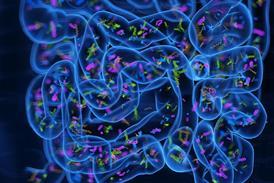
Understanding the pet microbiome and how diet can drive beneficial changes within it, is key to supporting overall health. Microbiome support is one of the fastest growing gut health claims in the global pet food market.
Despite its importance, the gut microbiome of dogs is vastly understudied. Much of our understanding is primarily based on human-centric research and the lack of species-specific insight has limited our ability to monitor, support and influence gut health in dogs. However, new research is beginning to change that.
A recent study by The Waltham Petcare Science Institute has uncovered the remarkable complexity and distinctiveness of the canine gut microbiome, providing the most comprehensive view to date of the bacteria that inhabit dogs’ digestive systems. The findings build significantly on previously knowledge about the canine gut microbiome and could pave the way for more personalised nutrition and care.
The rise of pre-, pro- and postbiotics
Pre-, pro- and postbiotics are now commonly added to pet food to aid digestive health. They each work in different ways, but with one common goal: to positively influence the gut microbiome. Probiotics are live bacteria that aim to restore the natural balance of good bacteria in the gut, prebiotics feed those beneficial microorganisms in the gut, and postbiotics are the beneficial materials that probiotics produce.
These ingredients are increasingly being incorporated into pet foods and supplements to help support healthy digestion and reduce common gastrointestinal issues in pets.
Probiotics have been shown to help improve stool quality, support gut immunity and aid recovery following gut disruption, such as dietary changes or antibiotic use. Prebiotics can promote firmer, more regular faeces and support a more stable microbiome over time. Early research suggests postbiotics may help support intestinal health and gut barrier function.
Understanding the pet microbiome and how diet can drive beneficial changes within it, is key to supporting overall health.”
Emerging trend: fibremaxxing
In human health, there is growing interest in the benefits of a high-fibre diet – a trend sometimes referred to as ‘fibremaxxing.’ Widely recognised for promoting regular bowel movements, the benefits of fibre extend much further.
While humans are striving to reach their daily fibre targets, they need not worry about their pets doing the same. Pet food is carefully formulated to provide optimal levels of fibre as part of a complete and balanced diet. Fibre is associated with numerous health benefits – supporting healthy digestion, gut immunity and resilience, nourishing the gut microbiome and helping to maintain a healthy weight.
Discovery to product
Making pet care easier is important, so offering gut health support through main meals or supplements gives pet parents the flexibility to choose the option that best suits their pet’s preferences and daily routine.
For example, Greenies™ Digestive Health Supplement dog chews contain a combination of a prebiotic, a postbiotic and a probiotic to support a healthy digestive system. It contains millions of live and active pet probiotics to help support a dog’s digestive system and optimal stool quality. IAMS™ Proactive 5 contains prebiotics and highly digestible proteins to support healthy digestion, delivering optimal faeces in 10 days.
Faeces as a window into gut health
Stool consistency is one of the most commonly used indicators of gut health performance in pets. Changes in consistency may signal issues with digestion, absorption, gut microbiota balance or food intolerance. A new era of AI-powered digital health tools are helping pet parents monitor their pets’ wellbeing more easily. Some innovative AI-powered tools can now analyse a photo of a dog’s faeces. For example, with just a quick snap of a smartphone camera, IAMS™ Poopscan assesses the quality of a dog’s stool, detecting potential changes in consistency. Through periodic monitoring of stool quality, pet parents can assess overall trends for their individual pet, which may provide insights into their overall health.
The growing emphasis on gut health in pet food highlights significant opportunities for innovation across the industry. We must continue investing in research and technology to deepen our understanding of how to formulate pet food that supports gut health and delivers tailored solutions for pets. By translating gut health science into practical nutrition, we can better support the long-term health and wellbeing of pets everywhere.








No comments yet