

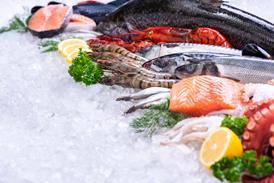


UPM, Ingredion and Paramelt are developing starch-based grease barriers for paper food packaging, aiming to improve performance and recyclability as demand for sustainable alternatives grows.
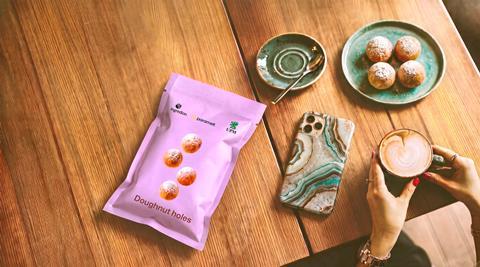
UPM, Ingredion and Paramelt have developed a starch-coated paper packaging structure that has passed initial recyclability testing, as the companies explore alternatives to conventional grease barriers.
The companies combined Ingredion’s plant-based starch technology with UPM’s speciality papers and Paramelt’s heat-seal coatings to address two key challenges facing fibre-based food packaging: grease resistance and sealing performance.
The resulting structure, based on UPM Solide Lucent 78 gsm paper, passed Part 1 recyclability testing at Western Michigan University. However, the companies have not disclosed detailed grease-resistance results or a timeline for commercialisation.
Expanding the range of paper-based packaging options available to converters and brand owners requires innovation across the value chain.”
Sarah Dembroski, Sales Director, Packaging Papers Americas at UPM Specialty Materials
The collaboration also explores UPM Asendo 65 gsm paper, assessing how different combinations of materials and coatings could meet the performance requirements of food packaging.
Ingredion’s starch-based coatings aim to improve grease resistance, while Paramelt’s bio-based technology provides heat-seal functionality to help maintain packaging integrity.
Anand Sundararaman, Project Leader, Sustainable Packaging Coating Applications at Ingredion, said: “By combining Ingredion’s plant-based starch barrier coatings with UPM’s Specialty Materials substrates and Paramelt’s heat-seal coatings, we have demonstrated a paper-based packaging solution that supports the transition to more sustainable food packaging. This collaboration highlights how complementary technologies can help accelerate the adoption of renewable, fiber-based packaging solutions.”
Sarah Dembroski, Sales Director, Packaging Papers Americas at UPM Specialty Materials, added: “Expanding the range of paper-based packaging options available to converters and brand owners requires innovation across the value chain.”
Why grease-resistant paper packaging matters
Developing recyclable packaging for greasy foods presents a particular challenge. Paper-based materials often need additional coatings or laminates to prevent grease penetration, but some conventional barrier treatments can complicate recycling.
As explored in New Food’s examination of viable PFAS-free packaging, replacing traditional barrier chemistries requires manufacturers to balance food safety, protective performance and end-of-life considerations.
The development also comes amid tightening European packaging rules. The EU’s Packaging and Packaging Waste Regulation (PPWR), which began applying in August 2026, includes restrictions on PFAS in food-contact packaging, while broader recyclability requirements will follow from 2030.
Starch-based barriers could therefore offer another route to combining grease resistance with recyclability in paper food packaging. However, the technology must still demonstrate consistent barrier and sealing performance across different food applications and at commercial scale before it can provide a practical alternative to existing materials.






No comments yet