



The retailer is switching its own-brand egg range to white shells as it looks to cut supply chain emissions and accelerate progress towards Net Zero.
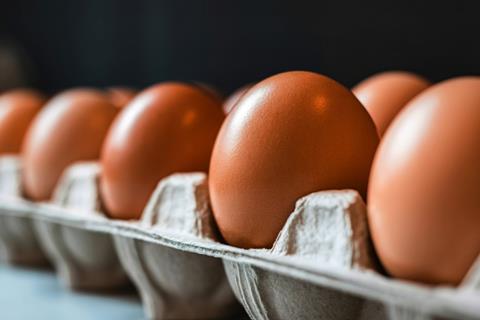
Sainsbury’s will replace brown eggs with white eggs across its own-brand range after research found the switch could cut greenhouse gas emissions by 12.7 percent, supporting the retailer’s net zero ambitions.
The supermarket will work with its Egg Group farmers and supply partners to transition production to white-feathered hens, which naturally lay white eggs. Sainsbury’s said the move will help it meet its target of reaching net zero across its own operations by 2035 and throughout its supply chain by 2050.
The retailer cited findings from a life cycle assessment carried out by SAC Consulting to PAS 2050 standards, which found white eggs have a significantly lower carbon footprint than brown eggs. White-feathered hens also reportedly consume less feed, lay eggs for longer and have a longer productive lifespan than the brown-feathered birds commonly used in UK egg production.
According to Sainsbury’s, these efficiencies reduce carbon emissions without affecting the quality, nutrition or taste of the eggs.
A Sainsbury’s spokesperson said: “White eggs have the same delicious taste and nutritional benefits as their brown counterparts but result in lower carbon emissions and better welfare outcomes for the hens that lay them.
“White feathered hens typically live longer, eat less feed and lay eggs for longer, cutting carbon emissions by over 12 percent compared with hens that lay brown eggs.
“We know Brits love their eggs and, as we work with suppliers to transition all of our own brand to white shells, they can now enjoy them knowing they are better for the environment and the hens.”
Cutting emissions without compromising quality
Alongside the emissions benefits, Sainsbury’s said white-feathered hens are generally more docile, helping to reduce behaviours such as feather pecking and support positive welfare outcomes. Their lower feed requirements also reduce demand for the land and water needed to grow feed crops and result in less manure production over their lifetime.
The retailer recently launched its Taste the Difference Golden Yolk white-shelled eggs and said all shell eggs will remain free range throughout the transition, maintaining a commitment it has upheld since 2009.
White eggs have the same delicious taste and nutritional benefits as their brown counterparts but result in lower carbon emissions and better welfare outcomes for the hens that lay them.”
Sainsbury’s
Although white eggs may seem unfamiliar to some UK shoppers, they were once the norm in Britain and remain the most widely produced egg type globally. Brown eggs rose to prominence in the UK during the 1970s, driven by perceptions that they were more natural, despite there being no nutritional or quality difference between shell colours.
Sainsbury’s said white and brown eggs offer the same taste, cooking performance and nutritional value, with shell colour the only difference.














No comments yet