



Largest-ever FDA infant formula study finds most products meet high safety standards while regulators pledge tighter oversight and transparency.
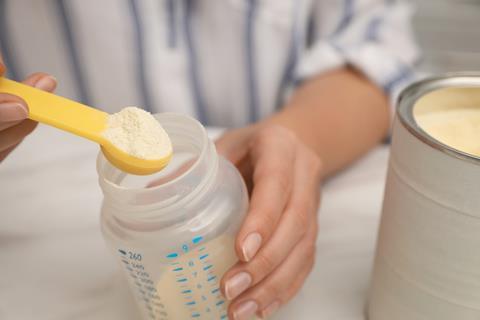
The US Food and Drug Administration (FDA) has completed the largest-ever testing programme for chemical contaminants in infant formula sold in the United States, with results showing most products contain undetectable or very low levels.
The agency analysed more than 300 infant formula samples from retail markets across the US, generating over 120,000 data points. Scientists screened powdered, ready-to-feed and concentrated liquid formulas for lead, mercury, cadmium, arsenic, pesticides including glyphosate and glufosinate, per- and polyfluoroalkyl substances (PFAS) and phthalates.
Regulators say the findings confirm the safety of the US infant formula supply while reinforcing the need to keep contaminant exposure as low as possible for newborns.
We tested more infant formula than ever before, and the results are clear: most products meet a high safety standard – but even small exposures matter for newborns.
We will hold manufacturers accountable, and give parents honest, transparent data they can trust.
Protecting our children’s health is nonnegotiable.”
Health and Human Services Secretary Robert F. Kennedy, Jr
The testing forms part of Operation Stork Speed and the FDA’s Closer to Zero initiative, programmes designed to strengthen food safety oversight and reduce contaminant levels in products consumed by infants and young children.
Officials highlighted that while breast milk remains widely regarded as the optimal nutrition source for infants when available, millions of families depend on formula.
Continued monitoring and industry engagement
You can judge a society by how it treats its most vulnerable members.
That’s why we’re doing everything in our power to make sure our babies and infants have safe, high quality formula options that are backed by a resilient supply chain.
The results of this study are encouraging.
We will continue to advance formula innovation and safety for the millions of families who depend on it.”
FDA Commissioner Marty Makary, M.D., M.P.H
Although contaminant levels were generally low across the tested products, the FDA will expand its monitoring efforts and continue working with manufacturers to reduce levels further.
The agency plans additional testing for other contaminants, new compliance sampling of formula entering the market and the development of formal action levels for contaminants in infant formula.
As a father, I understand how important it is for parents to trust the safety of the food they give their children.
At the FDA, ensuring the health of America’s next generation is vital.
Through Operation Stork Speed and our Closer to Zero initiative, this testing – the first of its kind – reinforces that infant formula in the US is a safe option for parents and caregivers who rely on it.
We will continue working to drive contaminants to as low as possible through rigorous oversight.”
Kyle Diamantas, J.D., Deputy Commissioner for Food
The regulator noted that small amounts of contaminants can occur naturally in foods, including both breast milk and infant formula, because they exist in the environment or arise from agricultural production.
The FDA will continue surveillance testing and publish findings from follow-up surveys as part of its transparency commitments.
In May, Secretary Kennedy will convene chief executives from leading infant formula manufacturers for a roundtable focused on modernising regulatory oversight and advancing Operation Stork Speed, including improvements to nutrition standards and chemical and microbiological food safety.













No comments yet