


Advances in precision fermentation and emerging adult clinical data are positioning human milk oligosaccharides as a new class of functional food ingredient beyond infant nutrition, selectively supporting beneficial gut bacteria and immune function.
For the food science community, human milk oligosaccharides (HMOs) need little introduction. As New Food has previously explored, the functional ingredients landscape is undergoing a precision revolution – and HMOs sit at the frontier of that shift.
What has changed is the scope of ambition. HMOs are no longer confined to the infant formula category. Advances in precision fermentation, expanding regulatory approvals and a growing body of adult clinical data are converging to position these bioactives as a genuinely new class of functional food ingredient.
HMOs are no longer confined to the infant formula category. Advances in precision fermentation, expanding regulatory approvals and a growing body of adult clinical data are converging to position these bioactives as a genuinely new class of functional food ingredient.”
Structural complexity as functional advantage
Human milk is unique among mammalian milks for its extraordinary oligosaccharide diversity. As Lars Bode detailed in Glycobiology (2012), human breast milk contains more than 200 structurally distinct HMOs built from five monosaccharide building blocks: glucose, galactose, N-acetylglucosamine, fucose and sialic acid. The resulting structures include linear chains, branched configurations, and fucosylated and sialylated variants – a level of complexity that dwarfs other mammalian milks.
This diversity is not incidental. Each HMO variant interacts differently with microbial receptors, immune cells and epithelial surfaces. Some act as selective carbon sources for specific Bifidobacterium species. Others function as soluble decoy receptors that bind pathogens before they adhere to the intestinal epithelium. Still others modulate immune signalling directly. These mechanisms were catalogued in 2021, demonstrating that HMOs engage both innate and adaptive immune pathways through cytokine modulation, T-cell differentiation and pathogen decoy receptor activity.
Production at scale: the precision fermentation breakthrough
Commercial viability of HMOs was, until recently, constrained by production economics. The breakthrough came with microbial precision fermentation – engineering bacterial or yeast strains to produce structurally identical HMOs. The most abundant HMO in human milk, 2’-Fucosyllactose (2’-FL), was the first to achieve commercial-scale production and regulatory clearance, receiving multiple US Food and Drug Administration (FDA) GRAS determinations and European Food Safety Authority (EFSA) Novel Food authorisations. Lacto-N-neotetraose (LNnT) followed and additional structures – including 3’-sialyllactose, 6’-sialyllactose and lacto-N-tetraose – are progressing through regulatory pathways.
Adult clinical evidence: moving beyond infancy
The infant data is extensive. A randomised, multicentre trial in 2017 demonstrated that infants receiving formula supplemented with 2’-FL and LNnT had significantly lower rates of parent-reported bronchitis (10.2 percent vs. 27.6 percent), lower respiratory tract infections (19.3 percent vs. 34.5 percent) and reduced antibiotic use (42.0 percent vs. 60.9 percent) through 12 months.
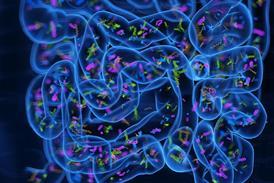
But the more commercially significant development is the accumulating adult evidence. Published in 2016, the first randomised, placebo-controlled adult HMO trial demonstrated that oral HMO supplementation produced significant increases in Bifidobacterium abundance in healthy adults – selective prebiotic effects not observed with conventional fibres.
This work was expanded in a 2023 study that administered a complex HMO mixture from pooled donor breast milk to 32 healthy adults. The results revealed dose-dependent Bifidobacterium expansion, altered microbial gene content – including induction of antibiotic synthesis pathways and depletion of antibiotic resistance pathways – and increased circulating levels of TGFβ and IL-10. The microbial changes persisted through day 28, well beyond the seven-day supplementation period. Notably, complex HMO mixtures produced effects that could not be replicated by individual HMOs or defined mixtures of the ten most abundant structures alone.
Human lactoferrin: the other half of the equation
HMOs represent the prebiotic dimension of breast milk’s bioactive profile, but they do not work in isolation. Lactoferrin – an iron-binding glycoprotein present at high concentrations in human milk – provides complementary antimicrobial and immunomodulatory functions. Where HMOs reshape the microbial ecosystem from the bottom up, lactoferrin acts directly by sequestering iron from pathogenic bacteria, disrupting microbial membranes and modulating inflammatory signalling.
The food industry has long relied on bovine lactoferrin, but the structural differences are non-trivial. Bovine lactoferrin shares approximately 69 percent amino acid sequence homology with the human form and the two proteins differ in their glycosylation patterns. Dearman et al. demonstrated in a 2012 study that glycosylation patterns can alter immunogenicity by 40-fold and allergenicity by 200-fold – illustrating that the source of lactoferrin is not interchangeable from a biological perspective.
Recombinant human lactoferrin (rhLF), produced via engineered expression systems, offers structural identity to native human lactoferrin. A comprehensive safety review in 2024 found rhLF was well tolerated across all studies, with no observed adverse effect levels (NOAEL) at the highest doses tested and no significant toxicity-related outcomes – data that supports the pathway to GRAS determination.
The commercial outlook
The regulatory infrastructure for HMO-based food ingredients is well established. Multiple HMO structures hold FDA GRAS status and EFSA Novel Food authorisations, with additional structures in the pipeline. Adult gut health supplements, functional beverages, medical nutrition and clinical nutrition products all represent addressable categories.
The key differentiator HMOs offer versus incumbent prebiotic ingredients is mechanistic specificity: they do not simply ‘feed’ the microbiome indiscriminately but selectively support the bacterial populations most associated with health outcomes. Companies like kēpos are already building on this principle, combining five structurally distinct HMOs with effera™ – a human milk lactoferrin – in supplement formats that treat breast milk’s bioactive profile as a design template.
For those interested in the science behind these bioactives, the kēpos research blog provides ongoing coverage of HMO and lactoferrin clinical developments.