



A coalition of 182 organisations warns Japan’s public funding for octopus aquaculture risks animal welfare, sustainability and public health concerns.
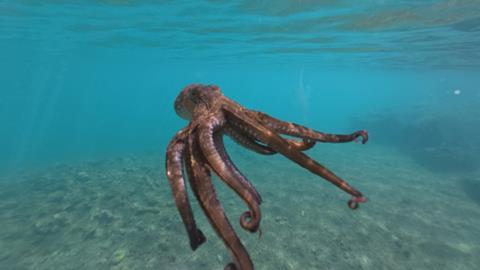
A global coalition of animal welfare and environmental organisations has urged Japan’s government to reconsider public investment in octopus farming research as international scrutiny of commercial cephalopod aquaculture continues to grow.
The Aquatic Animal Alliance (AAA), representing 182 organisations across 75 countries, submitted a formal letter to the Japan Science and Technology Agency (JST) on 9 May calling for a review of funding linked to industrial octopus farming. According to the coalition, octopus aquaculture raises “serious welfare, environmental, and public health concerns” and lacks a viable pathway to sustainable or high-welfare production.
The coalition’s intervention comes as legislation targeting octopus farming progresses in several countries. In the United States, proposed federal legislation and state-level bans in Washington state and California seek to prohibit the farming and sale of farmed octopus products, while similar proposals have also been introduced in countries including Chile, Spain and Mexico.
At a time when governments around the world are moving to prohibit octopus farming due to serious welfare, environmental, and public health concerns, we urge Japan to show similar leadership by redirecting public investment toward food system innovations that do not depend on the intensive confinement of highly intelligent and sentient animals.
Public research funding should advance solutions that align with long term sustainability, scientific responsibility, and ethical progress.”
Catalina Lopez Salazar, Director of the Aquatic Animal Alliance
Coalition highlights welfare and sustainability concerns
The letter, supported by Animal Rights Center Japan and informed by technical input from Aquatic Life Institute, references scientific literature and ongoing research activity related to cephalopod aquaculture in Japan. The coalition said peer-reviewed research and projects supported by JST, alongside initiatives involving AiCephLab LLC and academic institutions, demonstrate increasing interest in developing commercial octopus farming systems.
According to the coalition, existing research raises concerns around animal welfare, environmental sustainability and public health. The letter states that octopuses’ intelligence and solitary behaviour may make them unsuitable for intensive farming conditions and cites studies linking confinement with stress, aggression and cannibalism.
The coalition also argues that farming carnivorous species such as octopus could increase demand for marine-based feed ingredients, placing additional pressure on wild fish stocks. In addition, the letter highlights concerns around antibiotic use in aquaculture and the potential contribution to antimicrobial resistance.
The AAA is calling on Japan to redirect research investment towards alternative marine food system innovations, including seaweed cultivation, bivalve farming and ecosystem restoration projects, which the coalition says present fewer welfare and environmental concerns.

















No comments yet