


Researchers urge tighter PFAS regulation after toxic chemicals were found across marine species, wastewater and coastal waters in the Solent.

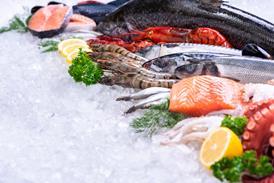
Toxic “forever chemicals” have contaminated the Solent marine food chain, including seafood species consumed by humans, according to a major new UK study that warns current regulation is failing to protect public health and the environment.
Scientists from the University of Portsmouth and the Marine Conservation Society found widespread PFAS contamination in coastal waters, sediments, treated wastewater and marine species ranging from seaweed and crabs to fish and harbour porpoises.
The researchers detected PFOS – one of the most tightly regulated PFAS compounds – at levels more than 13 times higher than UK and EU legal safety thresholds for coastal waters at sampled sites in the Solent, the stretch of water between Portsmouth and the Isle of Wight.
The findings raise fresh concerns for seafood safety, marine supply chains and food industry efforts to monitor chemical contamination across the UK’s coastal ecosystems.
Researchers also found that treated wastewater released from Budds Farm in Portsmouth and Peel Common in Fareham carried a wide range of PFAS into the marine environment. The two wastewater treatment plants serve around 650,000 people.
Professor Alex Ford from the University of Portsmouth’s Institute of Marine Sciences said current wastewater treatment processes are not designed to remove PFAS substances effectively.
Combined chemical exposure raises concern
The team analysed newly collected samples alongside existing monitoring data, examining surface water, seabed sediments, treated wastewater and marine wildlife across the Solent.
Although fish, shellfish and seaweed samples generally remained within legal limits when scientists assessed individual compounds separately, a broader toxicity assessment revealed far greater risks.
When researchers combined the effects of all detected PFAS chemicals into a single toxicity measure, most species exceeded a European Food Safety Authority benchmark for human health exposure.
We are seeing forever chemicals throughout the Solent’s food web, from the base right up to marine mammals.
Most species fall within the legal limits when you look at individual chemicals in isolation, but when you consider everything together, the picture is more concerning.
Regulation needs to catch up with the science and treat these chemicals as mixtures, not just individual substances.
Some of our whales and dolphins are still suffering from chemical contaminants we were slow to ban decades ago. We owe it to future generations to act faster this time.”
Professor Alex Ford, University of Portsmouth’s Institute of Marine Sciences
PFAS are a family of nearly 15,000 synthetic chemicals used in products including non-stick cookware, waterproof clothing and firefighting foams. Because the chemicals resist breaking down, they accumulate in the environment and living organisms over time.
Pressure grows for tighter regulation
The study also identified 194 combined sewer overflow outfall points and 546 historic landfill sites close to the Solent, highlighting the scale of potential PFAS sources entering the coastal ecosystem.
Among the species tested, harbour porpoises carried the highest PFAS concentrations, with liver tissue levels far exceeding ecological safety thresholds.
What struck me was just how widespread PFAS contamination is - it’s not confined to one part of the food web or one area of the Solent. We found these chemicals in seaweeds, in invertebrates, in fish, and in marine mammals.
The Solent is an internationally protected area with enormous ecological value, and it deserves the most robust chemical monitoring we can offer.”
Dr Henry Obanya, lead author of the study and post doctoral researcher at the University of Portsmouth
The findings arrive as pressure grows on UK policymakers to tighten PFAS regulation. An earlier study by the same research team featured in Parliament during discussions on statutory limits for PFAS in drinking water, while a Parliamentary inquiry into PFAS risks continues into 2026.
Meanwhile, the EU is advancing broader restrictions on PFAS across thousands of product categories, and regulators added long-chain PFAS to the Stockholm Convention in May 2025, paving the way for a global ban from December 2026.
This research builds a clearer picture of how PFAS are moving through our seas, reinforcing why we are calling for an urgent, universal PFAS restriction. The only way to tackle this contamination is at its source.
The UK Government must act now to protect our marine environment, the wildlife within it, and ultimately all of us who depend on healthy seas.
The evidence is clear, now policymakers need to act.”
Dr Francesca Ginley, Chemicals Policy and Advocacy Manager at the Marine Conservation Society















No comments yet