




The Chancery Lane Project and WRAP launch updated contractual clause helping food businesses cut waste, emissions and operational costs across supply chains.
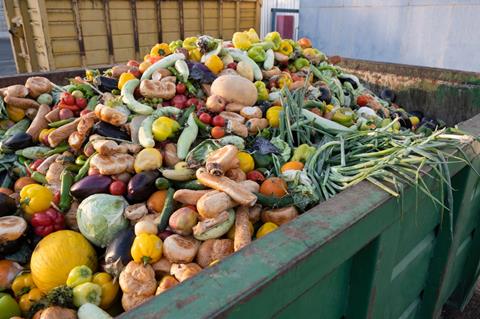
The Chancery Lane Project (TCLP) has partnered with WRAP to launch an updated contractual clause designed to help food businesses cut supply chain waste, lower emissions and avoid losses of more than £4,200 per tonne of wasted food.
The revised Runa’s Clause gives businesses a practical framework to measure waste, track reduction initiatives and report progress against sustainability targets. WRAP is urging partners across the food and drink sector to adopt the clause as companies face growing financial and environmental pressure to tackle avoidable losses.
Contracts are one of the most powerful levers businesses have to drive change across supply chains.
By building food waste reduction directly into contracts, companies can move from good intentions to measurable impact.
The updated Runa’s Clause helps organisations work collaboratively to address the issue with suppliers to reduce waste, cut emissions and deliver on their sustainability commitments.”
Ben Metz, Executive Director at The Chancery Lane Project
The clause aligns with industry frameworks including WRAP’s UK Food and Drink Pact and Food Waste Reduction Roadmap, while encouraging businesses to use recognised tools such as WRAP’s Food Waste Data Capture Sheet.
According to WRAP, companies last year incurred costs ranging from £1,638 to more than £4,200 for every tonne of waste generated across different sectors. WRAP also estimates that reducing one tonne of wasted food prevents nearly four tonnes of CO2e emissions.
Contracts drive supply chain accountability
WRAP said the updated clause could help businesses tackle both the financial and environmental impact of avoidable waste.
Last year, the average cost incurred by a company for every tonne of food waste it generated ranged between £1,638 and over £4,200, across various sectors.
The updated Runa’s Clause will be welcome news for businesses, as it means they can reduce costly food waste at the contract stage and avoid these heavy, persistent losses.
This is good news environmentally too, as reducing a tonne of food waste prevents nearly 4 tonnes of CO2e from being produced.
WRAP is delighted to collaborate with The Chancery Lane Project to update Runa’s Clause.”
Caroline Conroy, Senior Specialist Food System Transformation at WRAP
UK food manufacturer English Provender Company has already secured board approval to adopt the clause. The company supplies sauces, dressings, marinades, condiments and cooking ingredients to major UK retailers, manufacturers and foodservice operators.
The Billington Group is committed to reducing our food waste both within our business and the value chains in which we operate.
We are pleased to have adopted the principles of Runa’s clause to increase transparency in cases of avoidable waste.
We are looking forward to working collaboratively with our suppliers and customers and embedding these principles into our ways of working.”
Carl Steckerl, Business Lead for Environmental, Social and Governance at English Provender Company
TCLP said embedding waste reduction requirements directly into supplier contracts could help businesses improve supply chain transparency and accelerate emissions reductions.











![EcoTrophelia_009[1]](https://d1qyip7ii4bpjm.cloudfront.net/Pictures/380x253/2/2/4/14224_EcoTrophelia_0091.jpg)



No comments yet