




Prime Minister Mark Carney unveils first national strategy to boost food processing, increase competition and tackle high grocery prices.
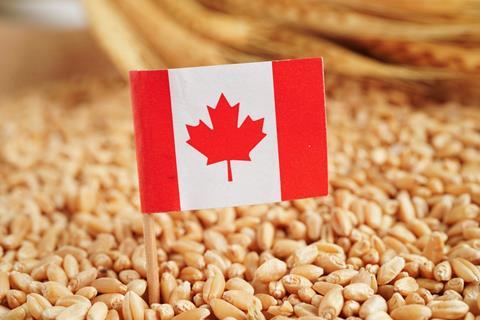
Canada will invest more than CAD$3 billion (£1.6 billion) over the next decade to expand domestic food processing, increase grocery competition and reduce reliance on imported food under its first National Food Security Strategy.
Prime Minister Mark Carney unveiled the plan as Canada seeks to address some of the highest grocery prices in the G7 while strengthening food supply chains against mounting pressures from trade disruption, geopolitical instability and climate change.
Canada’s first-ever National Food Security Strategy will help grow and process more food here and put more Canada on Canadian plates – lowering costs, creating jobs, and building a food system that is more resilient, more competitive, and more our own.”
Canadian Prime Minister Mark Carney
A push to process more food at home
The package includes a CAD$1 billion Agri-food Project Finance Fund through Farm Credit Canada to support food processing projects, a CAD$150 million Food Security Fund for small and medium-sized food businesses and a CAD$100 million Collaborative Food Innovation Fund to help expand agri-food processing capacity.
Commenting on the strategy, Carney said: “Canada is one of the world’s great food producers. But too much of what we grow is processed elsewhere, and too many Canadians still rely on imported food at higher prices. Canadian farmers deserve more options to sell their produce, and Canadians deserve more options for where to buy their food. Canada’s first-ever National Food Security Strategy will help grow and process more food here and put more Canada on Canadian plates – lowering costs, creating jobs, and building a food system that is more resilient, more competitive, and more our own.”
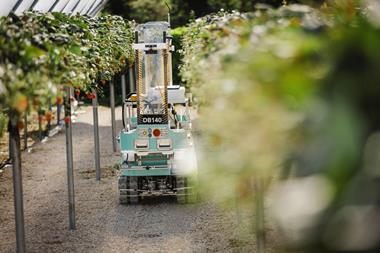
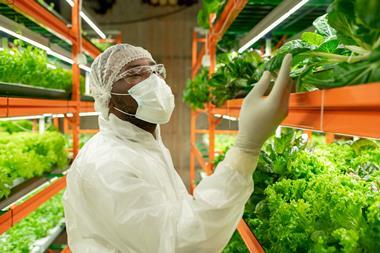
Ottawa will also invest CAD$750 million in greenhouses, vertical farms and other controlled-environment growing systems to expand year-round fruit and vegetable production and reduce reliance on imported produce.
Tackling grocery competition
To increase competition among food retailers, Ottawa will invest CAD$1 billion in food terminals and distribution hubs designed to help independent grocers access competitively priced products without relying on major retail chains. Nearly CAD$130 million will also go to Canada’s competition authorities to investigate and address anti-competitive practices.
Plans to streamline regulations across the agricultural supply chain include faster approvals for seeds, feed, fertilisers and veterinary products. Ministers also want to make it easier for provincially licensed food businesses to sell products across Canada.
The measures come amid growing concern over food affordability and supply chain resilience. Despite being one of the world’s largest agri-food exporters, Canada continues to rely on imported food and foreign suppliers in parts of its food system, while concerns remain about competition among major grocery retailers.
Heath MacDonald, Minister of Agriculture and Agri-Food, added: “The National Food Security Strategy is about giving Canadians greater choice, control, and access to affordable, locally produced food. Through this made-in-Canada approach, we will process more of what our farmers grow here at home, creating jobs, driving economic growth, and strengthening Canada’s food self-sufficiency. By reducing red tape and helping innovative businesses get projects off the ground faster, we will unlock new opportunities for farmers, food processors, and entrepreneurs across the agri-food sector.”
Alongside the strategy, the government announced CAD$20 million in funding for food banks and community food organisations, tax incentives for new and expanded greenhouse developments, renewed support for the fisheries sector and reforms to the Nutrition North Canada programme to improve food access and affordability in northern communities.












No comments yet