



A new study from the UBC Sauder School of Business reveals that consumers systematically associate shorter shelf lives with greater naturalness and healthiness, even when ingredient lists, nutritional data and packaging information suggest otherwise.

Consumers are using the shelf life of food as a shortcut for judging how natural and healthy it is, even when shelf life is not a reliable indicator, new research suggests.
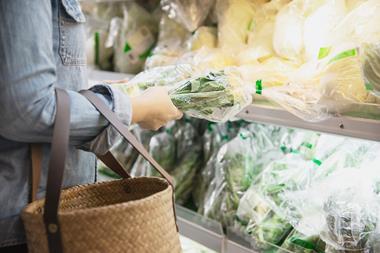
The study from the UBC Sauder School of Business found that shoppers tend to associate shorter shelf lives with greater naturalness, while viewing longer-lasting products as more environmentally friendly because they can reduce food waste.
Consumer perceptions
Researchers conducted a series of experiments for the study, titled Naturalness against environment-friendliness: The impact of shelf life on food perceptions and purchase decisions.
In one experiment, participants compared potato crisps with five-month and nine-month shelf lives. They rated the five-month crisps as more natural and healthier, while considering those with the longer shelf life more environmentally friendly and better for reducing waste.
Similarly, in a similar experiment involving pasta sauces with shelf lives of one year and three years, when researchers emphasised the importance of consuming natural foods, nearly 70 percent selected the product with the one-year shelf life. When the focus shifted to protecting the environment, that figure fell to 43 percent.
The researchers found that the effect persisted even when participants were given information showing that longer shelf lives were the result of improved packaging rather than additional processing.
When shown mayonnaise jars where a high-performance seal was responsible for the longer shelf life, participants still preferred the shorter-lasting product when naturalness was emphasised.
The same pattern emerged when participants were shown granola bars with almost identical ingredients and nutritional information but different shelf lives.
“We provide all the necessary information to make a rational choice. We provide ingredient lists. We provide nutritional facts. But it’s a lot to process.”
Dr Yann Cornil, Associate Professor, UBC Sauder
Instead, consumers can rely on ’peripheral cues’, including shelf life, packaging and marketing, when deciding whether food is natural.
Potential implications for food waste
The findings could have implications for food waste, as consumers may reject products with longer shelf lives despite them being equally healthy and natural.
“By looking for natural foods, consumers tend to prefer foods with a shorter shelf life, even though foods with a longer shelf life could be just as good and just as healthy and natural, as we show in the paper,” says Dr Cornil. “So by trying to choose natural foods, they might run the risk of choosing foods they will eventually waste because they have too little time to consume them.”
Dr Cornil says improvements in packaging can extend shelf life without necessarily making food less natural but also says that consumers regularly misunderstand shelf life and may throw away food that remains safe to eat.
“The fact that we still find this effect even when we provide nutrition information, and even when we make consumers understand that packaging is responsible for the longer shelf life and not processing, is really interesting,” says Dr Cornil. “And we go pretty far in showing the strength of this misleading heuristic.”





![EcoTrophelia_009[1]](https://d1qyip7ii4bpjm.cloudfront.net/Pictures/380x253/2/2/4/14224_EcoTrophelia_0091.jpg)
No comments yet