



PepsiCo has launched the 2026 Greenhouse Program IMPACT Edition in Asia Pacific, shifting from pilot testing to full-scale deployment of proven sustainability technologies across its supply chain, as it accelerates efforts in emissions reduction, regenerative agriculture and circular economy systems.
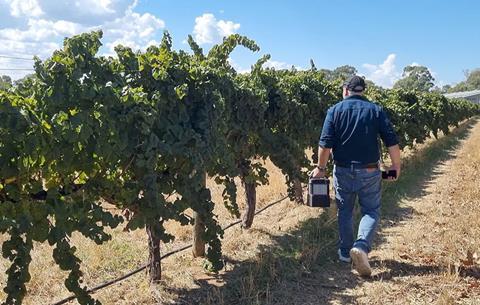
PepsiCo has launched the 2026 Asia Pacific edition of its Greenhouse Program, shifting its focus from early-stage pilots to scaling proven sustainability solutions across its regional supply chain, with potential for global rollout.
The 2026 “IMPACT Edition” is designed to integrate validated startup technologies directly into PepsiCo’s day-to-day operations across Asia Pacific, supporting the company’s broader sustainability strategy, PepsiCo Positive (pep+), which embeds environmental and social goals across its end-to-end business model.
From experimentation to execution
Now in its fourth year in Asia Pacific, the Greenhouse Program has supported more than 22 pilots with over 30 startups. The latest edition marks a clear strategic pivot, prioritising solutions that have already demonstrated measurable value within PepsiCo’s ecosystem and are ready for wider deployment.
The seven-month programme connects startups with cross-functional PepsiCo mentors and an expanded network of venture, academic and industry partners to accelerate adoption at scale. Partners include Artesian, AgFunder Asia, SAIL (Nanyang Technological University Singapore), AgriFutures growAG, Circulate Capital, GC Ventures and CM Venture Capital.
“In Asia Pacific, the next wave of competitive advantage will come from how quickly we can turn practical innovation into scaled commercial outcomes,” said Anne Tse, Chief Executive Officer, Asia Pacific, PepsiCo. “Our priority is to focus on solutions that strengthen resilience in our value chain, accelerate execution in the market, and advance pep+ in ways that are measurable for both our business and our partners.”
Targeting supply chain impact
The programme is closely aligned with PepsiCo’s efforts to reduce emissions across agriculture, manufacturing and logistics, improve climate resilience for farmers, and advance sustainable packaging and circular systems.
Startups in the 2026 cohort are working across four core areas: logistics efficiency, regenerative agriculture, emissions reduction and circular economy systems.
2026 cohort: scaling proven solutions
This year’s cohort features five returning Greenhouse alumni selected for their readiness to expand across markets:
- Adiona (Australia, 2023 alumni) – AI-powered logistics optimisation improving route planning and fleet efficiency, supporting reductions in Scope 3 emissions across bottler networks.
- Bali Waste Cycle (Indonesia, 2025 alumni) – Decentralised waste processing model enabling recovery of low-value plastics and strengthening recycling supply chains under Extended Producer Responsibility frameworks.
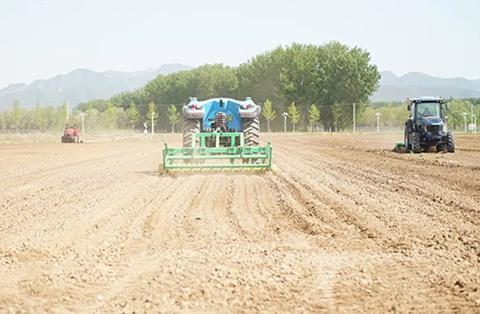
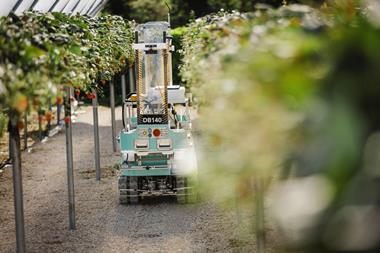
- Beijing AIForce Tech (China, 2025 alumni) – Electric agricultural machinery automating key farming processes, improving productivity while reducing emissions and labour dependency.
- Takachar (Thailand, 2024 alumni) – Biochar technology converting crop residues into soil-enhancing material, reducing open burning and supporting carbon sequestration in agricultural systems.
- X-Centric (Australia, 2024 alumni) – Digital soil analytics platform improving soil health measurement to optimise inputs and support regenerative agriculture outcomes.
Towards regional deployment
The programme will conclude with a regional showcase in October 2026, where participating startups will present progress and explore further commercial deployment opportunities across Asia Pacific.
By moving from pilot validation to operational integration, PepsiCo is signalling a broader shift in corporate innovation strategy, prioritising scalable, field-tested solutions that can deliver measurable impact across complex global supply chains.






No comments yet