

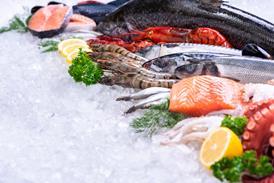

New research finds most environmental claims from major meat and dairy firms rely on vague targets, raising concerns over transparency.

Almost all climate pledges made by the world’s largest meat and dairy companies could amount to “greenwashing”, according to new research analysing more than 1,200 sustainability claims across the sector.
The study, published on 22 April 2026 in the open-access journal PLOS Climate, found that 98 percent of environmental claims from leading meat and dairy companies relied on misleading or unverifiable pledges rather than clear evidence of emissions reduction strategies.
Researchers analysed 1,233 environmental claims from 33 of the world’s largest meat and dairy companies, taken from publicly available sustainability reports and corporate websites between 2021 and 2024. Using a greenwashing assessment framework, the study concluded that 1,213 claims could be categorised as greenwashing.
Greenwashing was rampant in the sustainability reports of the world’s largest meat and dairy companies, which can create the illusion of climate progress.
We are concerned that these claims can mislead the public, influence consumers, and reduce pressure on policymakers to take climate action.”
Maya Bach, graduate student in the Rosenstiel School’s Department of Environmental Science and Policy at the University of Miami and lead author of the study
The findings highlight growing scrutiny of the environmental impact of animal agriculture, which accounts for 57 percent of total global food production emissions and at least 16.5 percent of global greenhouse gas emissions.
Climate claims dominate sustainability messaging
Of the claims analysed, 841 (68 percent) were climate-related, referring directly or indirectly to greenhouse gas emissions or climate change impacts. However, 467 claims (38 percent) were classified as unverifiable future projections, including pledges such as “achieve carbon neutrality by 2030” or “enable the restoration of 600 billion litres of water in water-stressed regions by 2030”.
Only 356 claims (29 percent) included supporting evidence provided by companies, while just three claims were backed by peer-reviewed scientific research, two of which related to climate commitments.
The study also found a sharp rise in net-zero pledges within the sector. Seventeen of the 33 companies analysed have now made net-zero commitments, compared with just four companies reporting such targets in 2020. However, the researchers suggest many of these pledges rely heavily on carbon offsetting rather than direct emissions reductions.
Meat and dairy companies are talking a lot about climate change, which makes sense because animal-based foods lead to more emissions and other environmental impacts than other kinds of foods.
But when so much of what these companies say seem to be empty promises that are not backed up with evidence or investments, it starts to look more like a public relations exercise rather than caring for the planet.”
Jennifer Jacquet, professor of Environmental Science and Policy at the University of Miami and corresponding author of the study
Retail methane action also under scrutiny
The findings come as another report highlights limited action on methane emissions linked to meat and dairy supply chains. Analysis from the Changing Markets Foundation and Mighty Earth found that none of 20 leading global supermarket chains have set methane reduction targets tied to meat and dairy supply chains, with emissions largely undisclosed across the sector.
While the authors note that misleading environmental claims are not unique to animal agriculture, they say the sector’s outsized contribution to global greenhouse gas emissions makes transparent and evidence-based reporting increasingly important for food companies facing growing regulatory and consumer scrutiny.






No comments yet