




The company’s first Dairy Plan report details emissions cuts, regenerative agriculture progress and support for 130,000 dairy farmers globally.
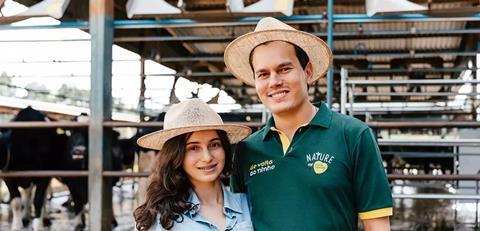
Nestlé has unveiled the results of its global dairy sustainability programme, reporting a 26 percent reduction in greenhouse gas emissions across its dairy supply chain since 2018. Its inaugural Dairy Plan report, published this week, reveals how the company is working alongside 130,000 dairy farmers, more than 200 suppliers and industry partners in over 40 countries to accelerate sustainable dairy production and strengthen the long-term viability of farming businesses.
The Dairy Plan outlines Nestlé’s efforts to reduce emissions, expand regenerative agriculture, improve animal welfare and support farmer livelihoods while securing long-term access to high-quality milk and dairy ingredients. The company also achieved a 25 percent reduction in methane emissions across its dairy value chain in 2025 compared with its 2018 baseline.
“The Dairy Plan shows that productivity, quality milk and sustainability are closely connected and can positively reinforce each other. Through our collaborative approach across the dairy value chain, we are working to advance this change,” said Katja Seidenschnur, Nestlé’s Head of Sustainability for the Nutrition & Health business.
“Together with farmers, we are deploying innovative solutions and technologies that help them build resilience to climate change and economic pressures, develop skills to run their farms as businesses and improve their livelihoods. These practices are also supporting Nestlé’s long-term access to high-quality milk and milk ingredients – crucial for the production of the nutritious products across our portfolio.”
Nestlé attributes much of its emissions reduction to lower-carbon feed and improved manure management practices. Through its Institute of Agricultural Sciences and collaborations with academic and government research institutions, the company is developing science-based technologies to reduce emissions from cow digestion and manure.
Farmers participating in the programme are converting manure into renewable energy and compost, helping to reduce emissions, lower energy costs and create additional income streams.
Driving regenerative agriculture adoption
The report also highlights progress in regenerative agriculture. In 2025, Nestlé sourced more than 34 percent of its dairy from farms implementing practices such as soil cover, minimum tillage and tree integration. These methods improve soil health, support biodiversity and strengthen water management, helping farms become more resilient to environmental pressures.
The Dairy Plan shows that productivity, quality milk and sustainability are closely connected and can positively reinforce each other. Through our collaborative approach across the dairy value chain, we are working to advance this change.”
Katja Seidenschnur, Nestlé’s Head of Sustainability for the Nutrition & Health business
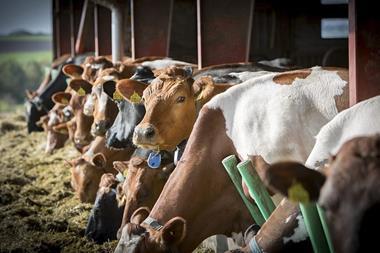
Alongside environmental initiatives, Nestlé continues to invest in animal welfare through improved nutrition, veterinary care and cooling systems. Healthier cows can produce higher-quality milk and support greater farm productivity, benefiting both farmers and consumers.
The company is also helping farmers strengthen the commercial viability of their businesses through training in technical farming, financial management and business skills. Digital tools are enabling farmers to make more informed decisions and access further learning opportunities. Nestlé said these measures are helping to make farming more attractive to the next generation by creating more stable and profitable long-term career prospects.











No comments yet