
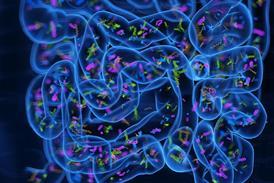


Researchers at the University of Reading have demonstrated that violet-blue photodynamic inactivation can eliminate all tested strains of Campylobacter – the world’s most common cause of bacterial food poisoning.
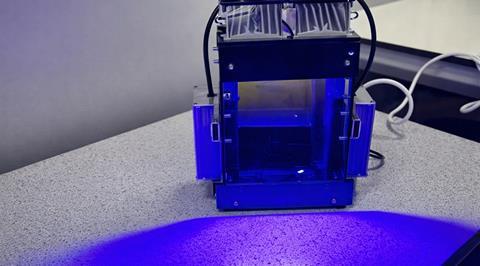
A low-power violet-blue light treatment could help reduce food poisoning caused by raw chicken, according to researchers at the University of Reading.
Scientists found that the technique, known as violet-blue photodynamic inactivation (VB-PDI), killed all 64 strains of Campylobacter tested in a new study, including strains resistant to antibiotics. The findings raise the possibility of using the technology during poultry processing to reduce bacterial contamination before chicken reaches consumers.
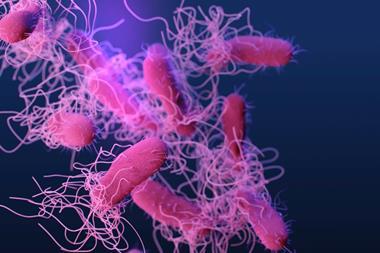
Campylobacter is the most common cause of bacterial food poisoning worldwide. Hundreds of thousands of cases occur in the UK each year, with the resulting healthcare costs and lost productivity estimated at around £700 million annually.
Light targets bacteria without chemicals
While thorough cooking kills Campylobacter, handling raw chicken can allow the bacteria to spread to other foods, surfaces and kitchen equipment, making cross-contamination a major route of infection. Symptoms typically last around a week and can include stomach cramps, fever, nausea and bloody diarrhoea.
VB-PDI offers a way of tackling the bacteria before chicken reaches the kitchen. The technique uses visible violet-blue light to activate molecules naturally present inside bacterial cells, triggering the production of reactive oxygen species that damage and kill them. Because it requires neither added chemicals nor direct physical contact with the food, the researchers say it could potentially be used on poultry carcasses after slaughter as part of the processing process.
The team tested the treatment against strains representing the diversity of Campylobacter found in UK poultry and found it effective across the different strains examined. They estimate that if the technology could reduce contamination on chicken carcasses by a factor of 100, the proportion of highly contaminated carcasses reaching retail could fall from around one in 10 to one in 50.
Dr Aidan Taylor, from the University of Reading and lead author of the study, said: ”Campylobacter is a genuinely nasty bug and its sheer abundance in the food chain, combined with rising antibiotic resistance, makes it a really difficult problem to tackle.
What’s exciting about this light-based approach is that it doesn’t rely on chemicals or antibiotics at all, so it sidesteps the resistance problem entirely. We’ve shown it works against a wide range of real-world strains taken directly from UK poultry, including the multi-drug resistant strains that worry us most, and we can’t find any evidence that resistance could evolve. That combination of broad efficacy and durability is what makes this such a promising option for cutting contamination before chicken ever reaches someone’s kitchen.”
No evidence of resistance developing
The researchers found that antibiotic-resistant strains were killed just as effectively as susceptible strains. They also repeatedly exposed one Campylobacter strain to the treatment over 15 rounds in an attempt to encourage resistance, but found no increase in tolerance.
The treatment uses low-power LEDs with long lifespans and low running costs, potentially making it an accessible option for poultry producers, including in countries with limited food safety infrastructure.
“The consistent results observed across multiple species and resistance profiles are highly encouraging,” said Dr Samuel Connelly of the Animal and Plant Health Agency, who co-led the research. ”While further evaluation using contaminated meat samples is required, the simplicity and adaptability of this technology suggest that it could be implemented at various stages of the food production process. Such application has the potential to reduce the prevalence of Campylobacter within the food chain and, consequently, contribute to a reduction in the incidence of foodborne illness.”
The researchers say further testing on naturally contaminated poultry carcasses in commercial processing environments will be needed before the technology can be considered for wider use.
Key facts
- 64 Campylobacter strains tested – Every strain was killed by the violet-blue light treatment, including antibiotic-resistant strains.
- No chemicals required – The treatment uses visible violet-blue light rather than antibiotics or chemical disinfectants.
- Potentially reduces contamination – A 100-fold reduction in contamination could cut highly contaminated chicken carcasses at retail from around one in 10 to one in 50.
- No resistance detected – Researchers found no evidence that Campylobacter developed increased tolerance after 15 rounds of repeated exposure.
- Low-power technology – The system uses long-lasting LEDs with potentially low running costs.
- Next steps – Further testing on naturally contaminated poultry carcasses in commercial processing environments is needed before wider use.










No comments yet