



Rising use of GLP-1 weight-loss drugs is shifting UK eating habits, cutting high-fat dairy but boosting demand for protein-rich, nutrient-dense products.
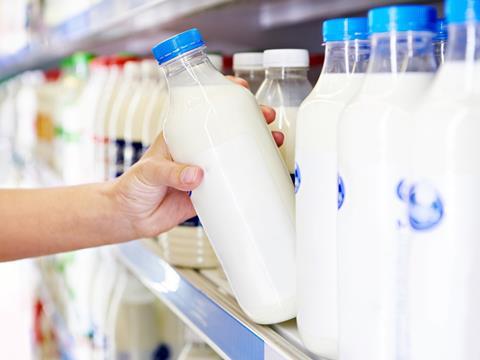
The rapid rise of GLP-1 weight-loss drugs will impact UK dairy consumption, bringing both risks and opportunities for the industry, according to new AHDB analysis.
The medications, used to treat type 2 diabetes and obesity, suppress appetite, slow digestion and alter taste, pushing users towards fewer calories but more nutrient-dense, protein-rich foods.
Adoption in Great Britain remains at an early stage but is rising, with 4.1 percent of households using GLP-1 medications. With almost two-thirds of adults in England overweight and more than a quarter classified as obese, the potential market is significant. To understand how this shift may unfold, industry observers are looking to the United States, where widespread uptake has already reshaped grocery and dairy purchasing patterns.
Annabel Twinberrow, Analyst at AHDB, said:
Although the USA takes a different approach to healthcare and their rate of obesity is higher, we can take learnings from their markets when predicting dairy consumption changes related to weight-loss medications.
A Rabobank report on a study conducted by Cornell University and Numerator found that US households with at least one GLP-1 user reduced their total grocery spend by around 6 percent within six months. High fat categories such as cheese, butter and ice cream declined, while cottage cheese, Greek yoghurt and whey based protein beverages have seen growth."
Protein shift accelerates as GLP-1 adoption grows
Early indicators suggest the UK market is beginning to mirror this protein-led shift. Demand for high-protein yoghurt and cottage cheese continues to grow, supported by broader consumer interest in protein-rich diets and expected to accelerate further as GLP-1 use expands. Recent data shows cows’ standard plain yoghurt sales rising 19.6 percent year on year, while fat-free yoghurt recorded the strongest volume growth, up 12.9 percent with an additional 4.3 million kg purchased.
Retailers are already responding, launching smaller-portion ready meals tailored to GLP-1 users, signalling wider behavioural change across the food sector. Dairy manufacturers are moving to develop fortified, nutrient-dense products, convenient protein-rich formats, reformulated lower-fat options and whey-led innovation.
Twinberrow added:
Dairy is well placed to respond to the “less but better” consumption mindset seen among GLP 1 users. For dairy, the opportunity lies in strategically aligning with consumer priorities: health, protein and high-quality nutrition in smaller, more meaningful portions and continuing to innovate and invest in the right areas.
However, it will be key to invest in local processing capacity for purified whey products for British dairy to fully capitalise on the opportunity."











![EcoTrophelia_009[1]](https://d1qyip7ii4bpjm.cloudfront.net/Pictures/380x253/2/2/4/14224_EcoTrophelia_0091.jpg)