


The tomato shockwave: how one Panorama story is causing massive shifts in a global supply chain
By  Professor Chris Elliott2025-11-26T12:56:00

Food industry shockwaves generated by the Xinjiang-region tomato exposé last year have been significant; but Professor Chris Elliott has wider concerns that no one is talking about…
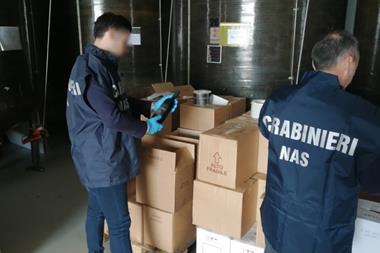
Few food-industry stories in recent years have generated as much heat or as many geopolitical ripples as the BBC’s investigation into tomatoes from China’s Xinjiang region. BBC Panorama alleged late last year, followed by further BBC coverage, that some Uyghur prisoners and detainees in the Chinese province of Xinjiang may have been involved in the growing and harvesting of tomatoes that later entered UK and EU supply chains. It is fair to say that the global impact of this story has been enormous. Some UK retailers rapidly reviewed their sourcing policies, Italian processors re-evaluated their blending practices and an entire segment of China’s agricultural economy has been put in jeopardy.
Yet as so often happens, I believe the headlines tell only part of the story. After reviewing the recent detailed Financial Times (FT) analysis of China’s collapsing tomato-paste exports to Italy, alongside the BBC reporting, I am left with a sense that much of the public debate has missed some important points. The situation is more complex than the narrative presented and the consequences of this collapse in trade may create new food-fraud risks across Europe that have not been fully appreciated.
Already a member? Sign-in