



Food Standards Agency sets out reforms to strengthen oversight, adapt regulation to changing food businesses and improve consumer transparency.
The Food Standards Agency (FSA) has unveiled plans to modernise the UK’s food regulatory system, with reforms aimed at strengthening oversight and ensuring regulation keeps pace with a rapidly evolving food landscape.
Agreed by the regulator’s Board, the Future of Food Regulation programme will develop proposals designed to make the food safety and standards system more effective, resilient and trusted by consumers and industry.
The programme will explore a range of reforms, including improvements to the food business registration system, stronger enforcement powers where necessary, clearer regulatory guidance for local authorities and businesses, and enhanced consumer information.
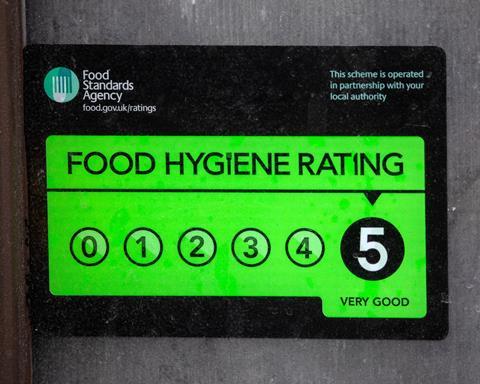
Among the proposals under consideration is making the display of Food Hygiene Ratings mandatory in England, building on the existing scheme’s strong levels of public trust.
National regulation for large food businesses
The programme will also examine the potential introduction of a national regulatory approach for some large food businesses in England, such as major supermarkets. The move follows a request from the UK Government in the 2025 Budget, with funding now secured to explore the proposal.
According to the FSA, the reforms aim to ensure food regulation reflects the ways consumers now buy and consume food, while helping authorities identify food safety risks more quickly and reducing unnecessary administrative burdens for businesses.
Professor Susan Jebb, Chair of the Food Standards Agency, said: “Our goal is simple: everyone in this country should be able to trust that their food is safe. This shared purpose drives what we, and our delivery partners, do every day to protect public health and protect consumers.
The food system is changing, and we know that both businesses and local authorities are facing new challenges. We want to make sure food regulation keeps pace with that changing food landscape, and remains effective, resilient and trusted by consumers and businesses.
The goal may be simple but the task is not. We recognise the scale and impact of this wide set of potential policy reforms, which is why we need to work collaboratively with businesses and delivery partners as we develop proposals to strengthen the food regulatory system for the future.”
The FSA Board said system improvements could help identify food safety risks more quickly while maintaining the regulatory controls required to uphold high standards.
The regulator will now begin further engagement with local authorities, consumers, food businesses and industry bodies to help shape the proposals and develop a future regulatory framework fit for the changing food sector.














No comments yet