


New FSA research exposes risky festive kitchen habits and sets out practical food safety steps to protect diners this Christmas.
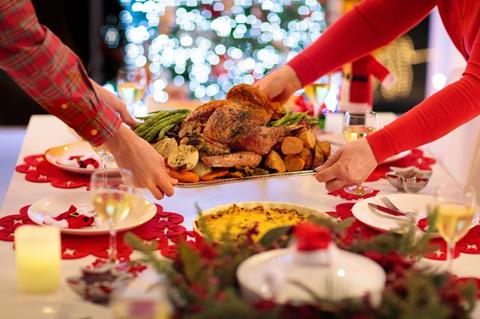
The Food Standards Agency (FSA) has warned that widespread food safety mistakes made during Christmas could put families and guests at risk of food poisoning, following new research into festive cooking habits across the UK.
The findings, released as part of the FSA’s Christmas food safety campaign, are based on a survey of more than 2,100 adults and reveal that many households continue to take risky shortcuts in the kitchen during one of the busiest food periods of the year.
With large meals often prepared in advance and served to vulnerable people – including older relatives, pregnant women and those with weakened immune systems – the agency says the consequences of poor food safety practices can be serious.
Most common festive food fails
Among the most common festive blunders is unsafe defrosting. Nearly two thirds (62 percent) of respondents said they would defrost meat or poultry, such as turkey or beef, at room temperature on the worktop rather than in the fridge, creating ideal conditions for harmful bacteria to multiply.
Confusion around use-by dates also remains widespread. More than half (51 percent) said they would eat dairy products such as cream, soft cheese or desserts past their use-by date if they “look, taste and smell fine”, despite the fact that bacteria such as listeria cannot be seen, smelt or tasted. A further 37 percent admitted they would take the same risk with smoked fish or cold meats.
Time and temperature control is another major issue during the festive period. More than a third (36 percent) said they would eat food left out at room temperature for over four hours, while one in six (16 percent) would not cool leftovers before refrigerating or freezing them within one to two hours.
The research also highlights a growing gap in allergen awareness. Almost a third (30 percent) of respondents said they would not ask guests about allergies or dietary requirements before cooking – a potentially life-threatening oversight that has increased from 22 percent last year.
Other risky practices identified include partially cooking food in advance and leaving it at room temperature before finishing it later, not checking that turkey is thoroughly cooked, reusing unwashed utensils after handling raw meat, not knowing whether the fridge is operating below 5°C, keeping leftovers for more than two days, and putting hot food straight into the fridge without cooling first.
Rebecca Sudworth, Director of Policy at the Food Standards Agency, said:
Don’t let bad kitchen habits ruin Christmas. These common mistakes can lead to food poisoning, which can be serious for children, pregnant women, elderly people and anyone with a weakened immune system. The good news? A few simple food safety steps will keep everyone safe and let you enjoy the festivities.”
FSA tips for a safer Christmas
To help households avoid what it calls the “12 Festive Food Fails”, the FSA has shared a series of practical steps to reduce risk during festive food preparation:
- Defrost safely – Defrost turkey or meat in the fridge, never on the worktop. Do not cook until fully defrosted.
- Respect use-by dates – Use-by dates are about safety, not quality. Do not eat food past its use-by date.
- Cool leftovers quickly – Cool leftovers at room temperature, then refrigerate or freeze them within a maximum of two hours.
- Check allergies – Always ask guests about allergies or dietary requirements before cooking and check ingredient lists carefully.
- Keep food chilled – Do not leave buffet food at room temperature for more than four hours.
- Cook food thoroughly – Follow cooking instructions carefully, use the correct temperatures and timings, and ensure food is piping hot throughout, not just the surface.
More festive food safety advice is available here.



Topics
- Allergens & free-from risk
- Contaminants & residues
- Enforcement, policy & governance
- Food Standards Agency (FSA)
- Hygiene, sanitation & environmental monitoring
- Labelling, claims & HFSS/UPF
- Pathogens & microbiology
- QA/QC systems (HACCP, FSMS)
- Rebecca Sudworth
- Refrigeration, freezing & cold chain ops
- UK & Ireland