




Soluble coffee and selected palm oil derivatives may enter EUDR scope as Brussels updates reporting tools ahead of compliance deadlines.
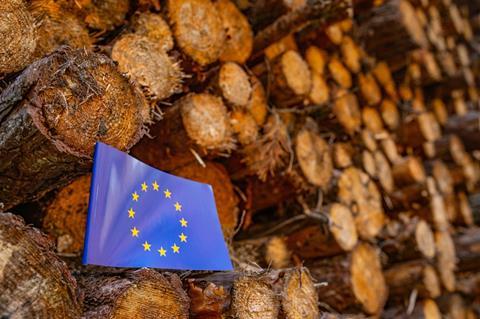
The European Commission has adopted a Delegated Act that would add soluble coffee, certain palm oil derivatives and frozen cattle tongues to the EU Deforestation Regulation (EUDR), while removing several products from its scope.
Alongside the Delegated Act, Brussels adopted an Implementing Act setting technical rules for the EUDR Information System, which operators will use to submit due diligence statements and simplified declarations.
The two measures aim to clarify the regulation’s product coverage and simplify reporting before the first compliance deadline. Large and medium-sized operators must comply from 30 December 2026, alongside micro and small operators already covered by the EU Timber Regulation. Most other micro and small operators will come into scope on 30 June 2027.
Businesses handling the newly added products will have until 30 December 2027 before those goods become subject to the regulation, giving manufacturers, importers and exporters more time to update supplier records and compliance systems.
With this package, we are providing the clarity and predictability that businesses, Member States and our international partners need to prepare for the application of the EU Deforestation Regulation at the end of 2026.”
Jessika Roswall, European Commissioner for Environment, Water Resilience and a Competitive Circular Economy
Delegated Act changes product scope
The Commission has also moved to remove cattle hides, skins and leather, soybeans intended for sowing, re-treaded tyres and several other rubber and transport products from the EUDR.
The seven commodities covered by the regulation – cattle, cocoa, coffee, palm oil, rubber, soya and wood – remain unchanged. The revisions instead alter the list of products derived from or connected to those commodities.
For food businesses, the proposed inclusion of soluble coffee and selected palm oil derivatives would bring additional products within the EUDR’s due diligence requirements.
The Delegated Act also clarifies that samples used for analysis, examination and testing fall outside the regulation. It introduces targeted exemptions for waste, used and second-hand goods, packaging materials and products used to manufacture medicines.
Businesses face digital reporting changes
Food and commodity companies will also need to review their reporting processes after Brussels introduced technical rules governing the EUDR Information System.
The updated system includes simplified declarations for micro and small primary operators and revised technical specifications for automated application programming interfaces. The API changes will affect companies that connect automated traceability and compliance systems to the EU platform.
The Commission plans to introduce further functions later this summer and begin training companies at the end of July. It reopened the Information System at the end of June following technical updates.
European Commissioner for Environment, Water Resilience and a Competitive Circular Economy Jessika Roswall said: “With this package, we are providing the clarity and predictability that businesses, Member States and our international partners need to prepare for the application of the EU Deforestation Regulation at the end of 2026.
“Following the agreement reached by co-legislators, we have completed the simplification review and put in place the necessary measures to ensure a smooth and effective implementation of the Regulation.”
Companies placing covered goods on the EU market, or exporting them, must demonstrate that the products are deforestation-free and comply with relevant legislation in their country of production.
The European Parliament and the Council of the EU will now scrutinise the Delegated Act, which can enter into force if neither institution raises an objection.
















No comments yet