



The Africa Centre for Food Integrity (AFIC), established at Ghana’s University of Cape Coast, will combine spectroscopy, AI and data analytics to develop affordable food authentication tools, tackle adulteration and mislabelling, and support the integrity of African food systems.
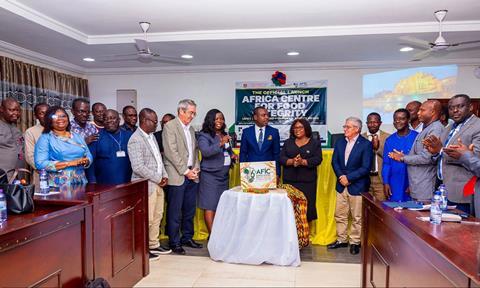
The University of Cape Coast (UCC) in Ghana has launched a new centre dedicated to tackling food fraud, improving consumer protection and strengthening confidence in African food products.
The Africa Centre for Food Integrity (AFIC) will use scientific research, technological innovation and strategic partnerships to improve food authenticity, safety and traceability across the continent.
Established under UCC’s College of Agriculture and Natural Sciences (CANS), the Centre will focus on detecting food adulteration, counterfeiting and mislabelling. It will also develop rapid and affordable technologies to assess food quality, safety and origin.
Acting Pro Vice-Chancellor Professor Christine Adu-Yeboah spoke at the launch about the threat food fraud poses to public health, consumer confidence and the international reputation of African products.
She emphasised the need for African-led solutions that reflect local challenges and bring scientific innovation closer to food production and processing.
Food integrity is critical to protecting public health, building consumer confidence and safeguarding the reputation of African products. Through AFIC, we have an opportunity to apply scientific knowledge and innovative technologies to address food fraud in ways that respond to our realities and strengthen the competitiveness of our food systems.”
Acting Pro Vice-Chancellor Professor Christine Adu-Yeboah, The University of Cape Coast
Developing rapid food-authentication technologies
Centre Lead Professor Ernest Teye said AFIC would work with the Food and Drugs Authority (FDA), industry and other stakeholders to develop practical, science-based approaches to detecting food fraud.
The Centre will combine food science and engineering with spectroscopy, computer vision, artificial intelligence and data analytics to create affordable methods for assessing food authenticity, quality, safety and origin.
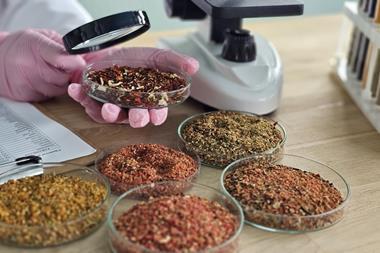
Its research will cover the authentication of spices such as ginger, turmeric and pepper, palm oil quality and authenticity, cocoa provenance and traceability, fish and seafood authentication and the integrity of agricultural inputs, including seeds and fertilisers.
Professor Teye said the Centre also intended to move food analysis beyond conventional laboratories by developing portable technologies that could provide reliable results closer to farms, markets, processing facilities and regulatory inspection points.
AFIC will additionally support postgraduate research, professional training and knowledge exchange to develop expertise in food integrity across the African continent.
Strengthening international collaboration
International food-integrity expert Professor Chris Elliott, from the UK, highlighted Africa’s potential to increase its contribution to global food supply.
Citing statistics that the continent accounts for approximately four percent of global food supply, he said this could rise to more than 25 percent with stronger food systems, effective quality assurance and greater confidence in African agricultural products.
The Centre’s launch was attended by CANS management, university representatives, Food and Drugs Authority officials and other stakeholders.








No comments yet