

FSA survey finds harmful bacteria in raw pet food, prompting urgent safe handling guidance to protect pets, owners and vulnerable groups from infection.
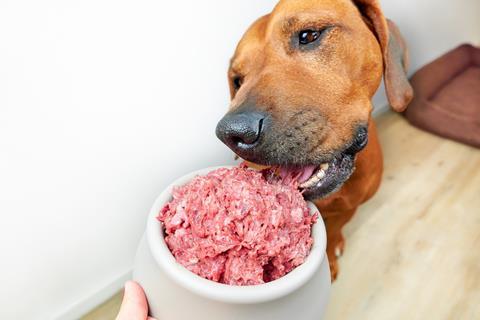
The Food Standards Agency (FSA) is urging pet owners and feed businesses to handle raw pet food safely after a nationwide survey found contamination in a significant proportion of products, posing risks to both animal and human health.
Laboratory testing of 380 raw dog and cat food products – purchased in stores and online between March 2023 and February 2024 and analysed by the UK Health Security Agency (UKHSA) – revealed widespread contamination and failures to meet legal safety standards.
The regulator said the findings underline the elevated risk linked to uncooked pet food and the need for strict hygiene across production, retail and in-home handling.
Rick Mumford, Interim Chief Scientific Advisor at the FSA, said:
We know that many pet owners choose raw pet food. This survey shows that these products can pose risks to human and animal health.
Good hygiene practices and safe handling can help reduce the risks to you and your family. Follow the same hygiene principles you would when preparing food for the humans in your life; washing hands thoroughly with soap and water, cleaning all surfaces, and storing and defrosting pet food and treats away from human food.
Detailed information on the safe handling of raw pet food can be found on the FSA’s dedicated raw pet food guidance page."
Raw pet food – typically made from uncooked meat, offal and bone – is not always clearly labelled, with some dried treats and chews also containing raw meat. Because it is not heat-treated, harmful bacteria that would normally be destroyed during cooking can survive, increasing the risk of cross-contamination, infection and the spread of antimicrobial resistant (AMR) bacteria.
Survey findings raise concern
The survey highlighted clear food safety risks and compliance failures within the raw pet food category. It found:
- 35 percent of products contained harmful bacteria including Salmonella, Campylobacter and E. coli
- 29 percent failed to meet UK legal safety standards
Pets infected through contaminated food may show no symptoms but can still pass bacteria to owners. The FSA said it worked with local authorities and businesses to address issues identified during testing.
Young children, pregnant women, older people and those with weakened immune systems face the greatest risk and should take extra care when handling raw pet food.
Public health and AMR risks
Public health officials warned contaminated raw pet food can cause illness through handling, contaminated surfaces or contact with pets.
Gauri Godbole, Deputy Director for Gastrointestinal Infections, Food Safety and One Health at UKHSA, said:
Raw pet food products can carry harmful bacteria such as Salmonella and Campylobacter, which can cause diarrhoea, stomach cramps and sometimes vomiting and fever. These bacteria can be passed to people through handling raw pet food, contaminated products or surfaces or contact with pets who have eaten the food. Young children, pregnant women, older people and those with weakened immune systems are at greater risk of becoming severely unwell.
To reduce the risk of illness, pet owners should wash their hands thoroughly after handling raw pet food, clean and disinfect bowls, utensils and surfaces, store raw pet food separately from food for people and ensure good hygienic practices for handling of pet faeces. Anyone who is concerned about symptoms should contact a healthcare professional for further advice."
Animal health experts also warned of wider antimicrobial resistance risks. Stephen Wyllie, Veterinary Head of One Health at the Animal and Plant Health Agency (APHA), added:
APHA is a world leader on Antimicrobial Resistance (AMR) in animals, carrying out vital research to reduce the spread of AMR. Today's report is a reminder that raw pet food can carry harmful bacteria that pose a risk to animal health.
Pet owners should handle raw pet food in the same way as they would raw meat to avoid food borne infections and increased risk of antimicrobial resistance spreading between pets."
The FSA said it will continue working with government, regulators and industry to strengthen oversight and ensure the safe handling and regulation of raw pet food across the UK.